 English
 Lietuvių
 Latviešu
 Eesti
 Polski
 Русский
 Українська
 Deutsch
 Nederlands
 Čeština
 Slovenčina
 Svenska
 Norsk
 Dansk
 Suomi


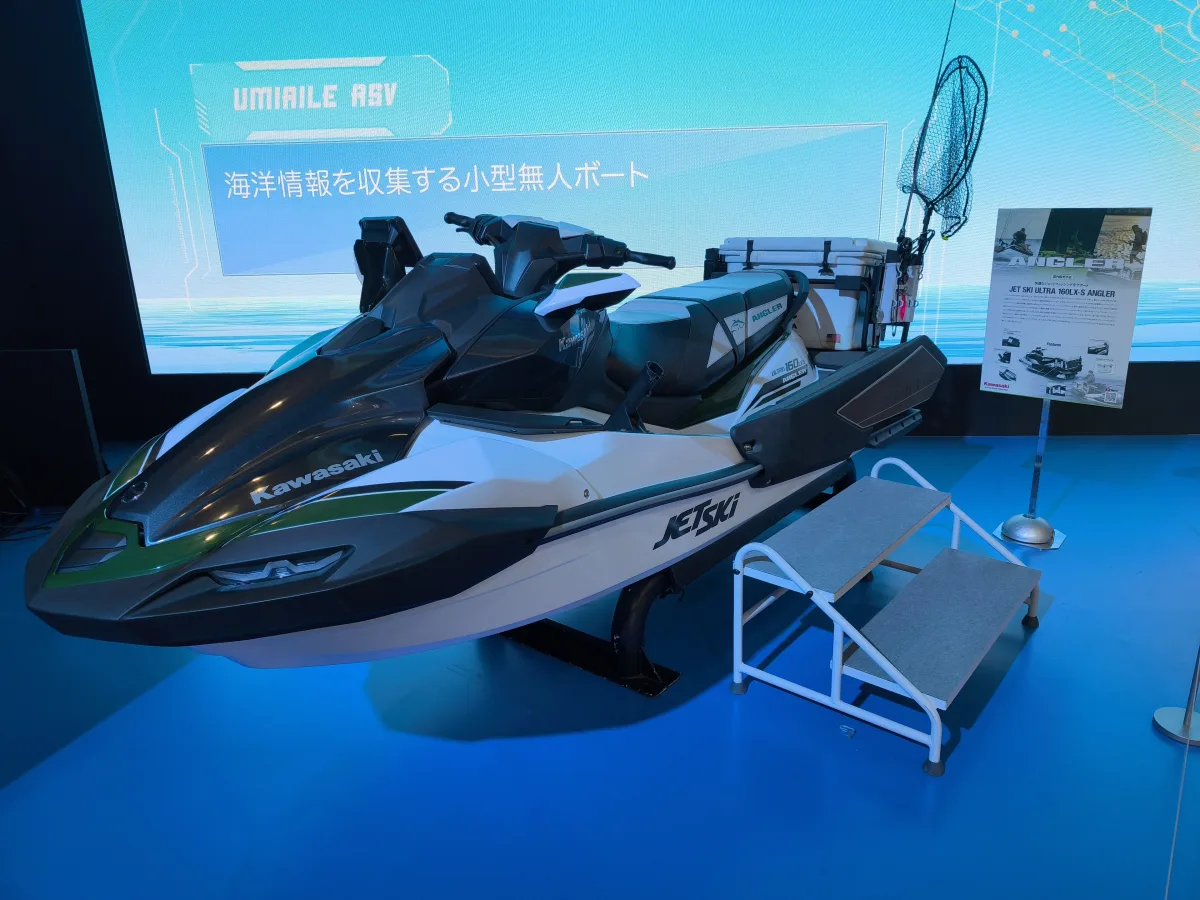
Kawasaki Jet Ski: water scooters, series and inspection
Kawasaki Jet Ski — the water scooter (PWC) brand that started in 1972. We look at stand-up and sit-down models, the STX, SX-R and Ultra series, engines, key features and what to check when buying a used Jet Ski.






Jet Ski in brief
Jet Ski — the Kawasaki water scooter brand that has become almost synonymous with this type of watercraft. The first models were stand-up, later came sit-down versions, designed for fun, sport and travel.
In Lithuania, they are most often bought for the summer season on lakes, rivers and the Baltic Sea. The used market features both older stand-up models and newer sit-down ones.
Series — what's the difference
SX-R — stand-up sport models designed for racing and dynamic riding. The STX series — sit-down all-rounders for families and beginners. Ultra series — larger and more powerful models, often with a supercharger.
The letters and numbers in model names denote the engine version and trim. Before buying, it's essential to identify the exact model and year of manufacture.
Engines and key features
Older stand-up Jet Skis have two-stroke engines, which are simpler to run but require oil injection or a mix. Modern sit-down models have four-stroke engines, some with a supercharger.
Key components: impeller with an impeller blade and wear ring, hull (body), cooling system, steering connections, battery, and electronics. Use in saltwater requires regular flushing with fresh water.
What to check when buying a used Jet Ski
Ask to see the engine running and, if possible, test it in the water. Check the engine hours, startup, exhaust, signs of power loss, and service history. Inspect the impeller and wear ring — a large gap reduces thrust.
Inspect the hull for cracks and damage, the seat, steering connections, battery, and electronic faults. Check for corrosion, especially if the watercraft has been used in saltwater, as well as the trailer condition and registration documents.


Versions and trims
Names and equipment vary by market and production year; we list the versions most commonly found in Europe.
SX-R
Stand-up modelSporty stand-up model.
- Often — two-stroke engine
- High performance
- Requires physical fitness
STX
Sit-down modelVersatile model for families.
- Often — three-seater hull
- Adequate power
- Comfortable seating
Ultra
larger modelsPowerful and comfortable models.
- Often — a turbocharger
- Spacious boot
- Often — advanced electronics
Senesni stovimi
earlier modelsThe first upright Jet Ski models.
- Often — two-stroke engine
- Simple design
- Often — collector's value
Comparing Jet Ski series
| SX-R | STX | Ultra | |
|---|---|---|---|
| Who it's for | For sport and dynamism | For families and versatile use | For comfort and power |
| Power | High | Medium | Large |
| Type | Standing | Seating | Seating |
| Price in the used market (relatively) | Mid-range | Mid-range | High-end |
For sporty driving, go for the SX-R. For families and all-round use, the STX with a good history is a solid choice. If power and comfort are key, consider the Ultra.
Pros
- Wide range of models
- Reliable engines
- Good parts availability
- Renowned brand
Cons
- Older models require more maintenance
- Seasonal use means proper winter storage is essential
- Larger models are more expensive to run
Frequently asked questions
What sets the SX-R apart from the STX?
The SX-R is a stand-up sport model, while the STX is a sit-down all-rounder. The SX-R demands more physical fitness and experience.
Can you use a Jet Ski in the Baltic Sea?
Yes, but after riding in seawater, it's crucial to flush the cooling system with fresh water and adhere to local regulations and registration requirements.
How to prepare your Jet Ski for winter?
You need to drain the water, protect the engine with conservants, disconnect the battery, and store it in a dry place. Check the exact procedure in the user manual.
Updated 2026-10-21 · Trim levels and equipment vary by market and model year — check the equipment of the specific car. · Translated automatically


