 English
 Lietuvių
 Latviešu
 Eesti
 Polski
 Русский
 Українська
 Deutsch
 Nederlands
 Čeština
 Slovenčina
 Svenska
 Norsk
 Dansk
 Suomi


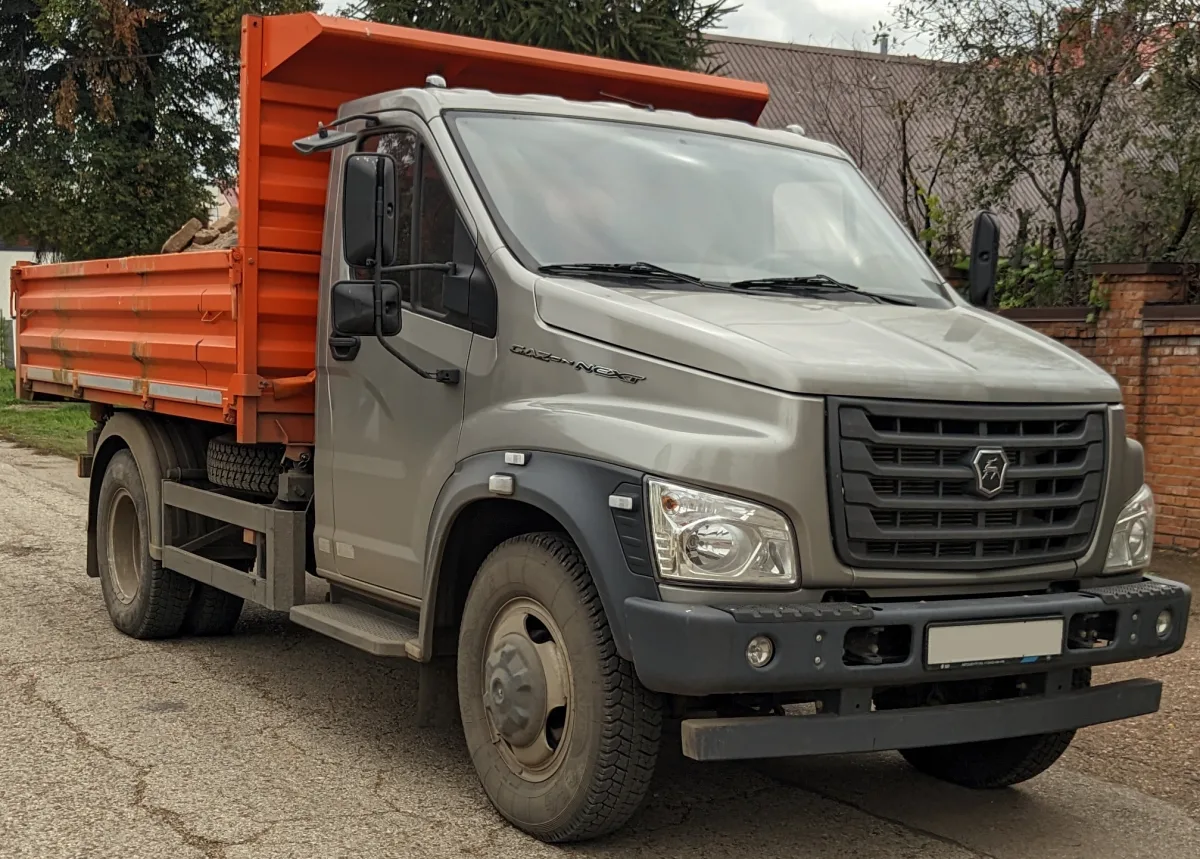
GAZ GAZon NEXT: generations, engines and what to check
The GAZ GAZon NEXT is a medium-duty truck with a cab-over design, built in Russia for cargo distribution, construction, and municipal services. We look at its generations, engines, and what to check when buying a used GAZon NEXT.






GAZon NEXT in brief
The GAZon NEXT is a GAZ truck designed for medium-duty applications. It features a cab-over design with two or three seating positions, and can be fitted with flatbed, drop-side, box, refrigerated, or specialized bodies.
Due to its simple construction and low maintenance costs, the GAZon NEXT is often used by municipal and construction companies. It's quite rare in Lithuania, so the supply is limited, and you should check the availability of parts before buying.
Generations — what's the difference
The main GAZon NEXT generations differ in wheelbase, body type, and loading capabilities. Most commonly, you'll find 4x2 trucks with flatbed, drop-side, or box bodies.
Different generations come with different engines and transmissions, so before buying, check the specific vehicle's configuration. Also, ensure the truck hasn't had body modifications that could affect its gross vehicle weight rating.
Before buying, check if the truck can be imported and registered in Lithuania, as there may be EU restrictions on Russian-made vehicles and their parts.
Engines and transmissions
The GAZon NEXT most often comes with a four-cylinder diesel engine with a capacity of around 3.8–4.4 litres and power output of approximately 130–155 hp. Commonly found are Cummins ISF 3.8 and YaMZ units.
The gearbox is manual. Make sure to test it while driving, especially under load, as the condition of the clutch and gear shifting affects overall comfort.
Before buying, ask for the specific engine code and emission class of the vehicle, as these determine the availability of parts and permitted operating zones.
What to check when buying a used GAZon NEXT
First and foremost — the frame and cabin. Check for signs of corrosion at the seams, cabin corners, and cross members of the frame, especially if the vehicle has worked extensively in winter.
Start the engine cold and pay attention to any smoke, oil, or coolant leaks. Evaluate the brakes, whether pneumatic or hydraulic, and test the hoist or tailgate mechanism separately.
Check the tyres and wheels against the records. In the documents, verify the gross weight and category, and for imported vehicles, also check registration possibilities.


Versions and bodies
Names and equipment vary by year; we list the most commonly found GAZon NEXT versions.
Bortinis
Common versionThe most common commercial body for distribution.
- Often — a metal flatbed body
- Simple construction
- The condition of the body affects the value
Savivartis
Common build versionSuitable for construction and municipal work.
- Hydraulic tailgate lift
- Reinforced chassis
- High-mileage vehicles
Furgonas
Common distribution versionEnclosed body for cargo protection.
- Often — a metal or sandwich body
- Easy to load
- The condition of the body affects the value
Šaldytuvas
Less common versionWith a refrigeration unit for transporting goods.
- Refrigeration unit
- Important for the unit's powertrain
- Often — an insulated body
Specialioji versija
Less common versionsMunicipal or other special-purpose version.
- Additional equipment
- The condition of special equipment matters
- Condition varies greatly
GAZon NEXT versions compared
| Bortinis | Savivartis | Furgonas | Šaldytuvas | |
|---|---|---|---|---|
| Who it's suitable for | For distribution | For construction | For goods transportation | For food products |
| Space | 2–3 | 2–3 | 2–3 | 2–3 |
| Most important to check | The body and frame | The frame and hydraulics | The body condition | Cooling unit |
| Price in the used market (relatively) | € | €€ | €€ | €€€ |
For distribution, the best choice is often a cab or van GAZon NEXT with a checked frame and tidy body. Before buying, check registration possibilities and parts availability.
Pros
- Simple, inexpensive to maintain construction
- Reliable engines
- Wide range of body styles
- Cab protects the engine well
Cons
- Rare in Lithuania, limited parts availability
- There may be EU restrictions on goods of Russian origin
- Less comfort than competitors
Frequently asked questions
Can the GAZon NEXT be registered in Lithuania?
This depends on the specific vehicle and current EU restrictions on goods of Russian origin. Before buying, check registration and import requirements and consult with specialists.
What category of license is needed to drive a GAZon NEXT?
Most GAZon NEXT models with a gross weight of over 3.5 tonnes require a C1 or C category license, and a professional qualification if you're working in the goods transport business. The exact category depends on the vehicle's gross weight.
Is it easy to find spare parts?
The supply of parts is limited in Lithuania, so you might need to order them in advance. Before buying, check if you have a reliable mechanic and parts supplier.
Updated 2026-10-21 · Trim levels and equipment vary by market and model year — check the equipment of the specific car. · Translated automatically


