 English
 Lietuvių
 Latviešu
 Eesti
 Polski
 Русский
 Українська
 Deutsch
 Nederlands
 Čeština
 Slovenčina
 Svenska
 Norsk
 Dansk
 Suomi


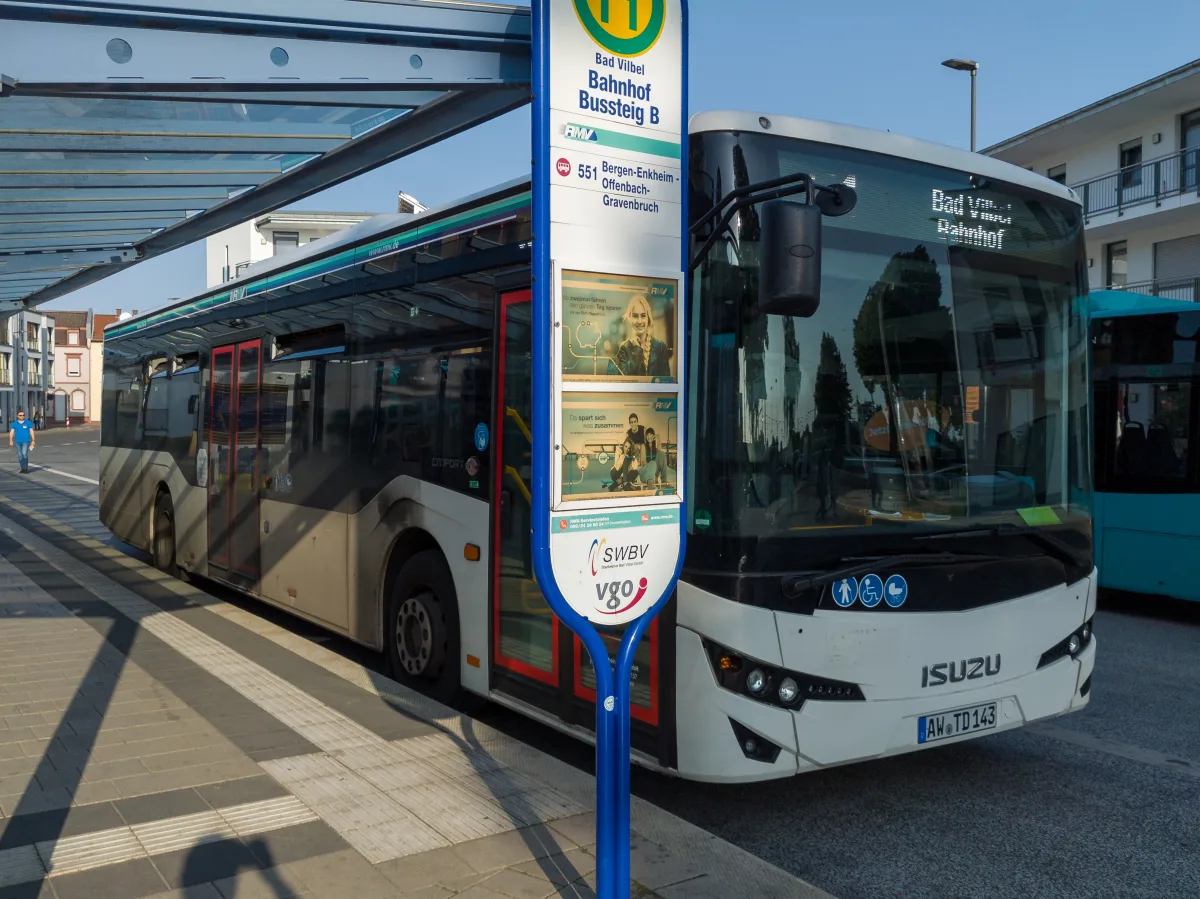
Isuzu Citiport: city bus, versions and what to check
Isuzu Citiport (from 2015) — a low-floor city bus manufactured in Turkey, with electric versions also available. We look at the versions, drivetrain types, and what to check when buying used.






Citiport in brief
Citiport is a low-floor city bus manufactured by Anadolu Isuzu in Turkey, designed for public transport. It's used in several European cities, including Germany and Romania.
The Citiport isn't overly common on the used market, as it's a relatively new model. Before buying, check the availability of parts and service in your region.
Versions — what's the difference?
The Citiport is offered as a standard approximately 12m city bus, as well as an electric version. The interior configuration depends on the operator's order.
The value of electric buses is largely determined by the condition of the batteries, so these should be assessed differently to diesels. Request full battery condition documentation.
Engines and gearboxes
The diesel Citiport version meets Euro 6 standards. The specific engine depends on the order, so check the documents for exact information.
The electric version doesn't have a conventional gearbox — power is transmitted via an electric drivetrain. Diesel versions usually have an automatic gearbox.
What to check when buying a used Citiport
Inspect the body, floor, and doors. Check the air suspension, brakes, door mechanisms, and air conditioning. These components wear out the fastest in city buses.
Request service history and mileage verification. In diesel versions, start the cold engine and listen for any unusual noises, smoke, or leaks; check the AdBlue and DPF systems.
For the electric version, request battery condition data, charging history, and warranty information. Without reliable data, an electric bus is a risky purchase.


Versions
Names and equipment vary by market and year; we list generally described versions, but check the exact specification in the documents of the specific bus.
Citiport (dyzelinis)
from 2015Standard low-floor city bus.
- Low-floor interior
- Euro 6 engine
- Automatic transmission
Citiport Electric
later yearsElectric version with zero local emissions.
- Battery pack
- Charging required
- Check battery condition
Citiport (ilgesnė)
various yearsConfiguration for greater capacity.
- More passengers
- Different door layout
- Check the exact versions
Citiport (specialios)
various yearsTailored to the operator's needs.
- Redesigned interior
- Special equipment
- Check the documents
Version comparison
| Dyzelinis | Electric | Ilgesnė | |
|---|---|---|---|
| Who it's for | For standard city routes | For cities with charging infrastructure | For high passenger throughput |
| Gearbox | Diesel | Engine | Often diesel |
| Maintenance | Simpler | Requires battery monitoring | More complex |
| Price in the used market (relatively) | €€€ | €€€€ | €€€ |
The Citiport is ideal for operators needing a modern low-floor city bus. Diesel versions are the safer bet, while electric models should only be considered if you have battery data.
Pros
- Low-floor interior
- Euro 6 engines
- There is an electric version
- Modern construction
Cons
- Limited availability in the used market
- Smaller service network
- Replacing electric batteries is expensive
Frequently asked questions
Where is the Citiport manufactured?
Manufactured in Turkey (Anadolu Isuzu).
Is there an electric Citiport?
Yes, there is an electric version used in some European cities.
What Euro emissions standards does it meet?
Diesel versions comply with Euro 6. Double-check the paperwork.
Updated 2026-10-21 · Trim levels and equipment vary by market and model year — check the equipment of the specific car. · Translated automatically


