 English
 Lietuvių
 Latviešu
 Eesti
 Polski
 Русский
 Українська
 Deutsch
 Nederlands
 Čeština
 Slovenčina
 Svenska
 Norsk
 Dansk
 Suomi


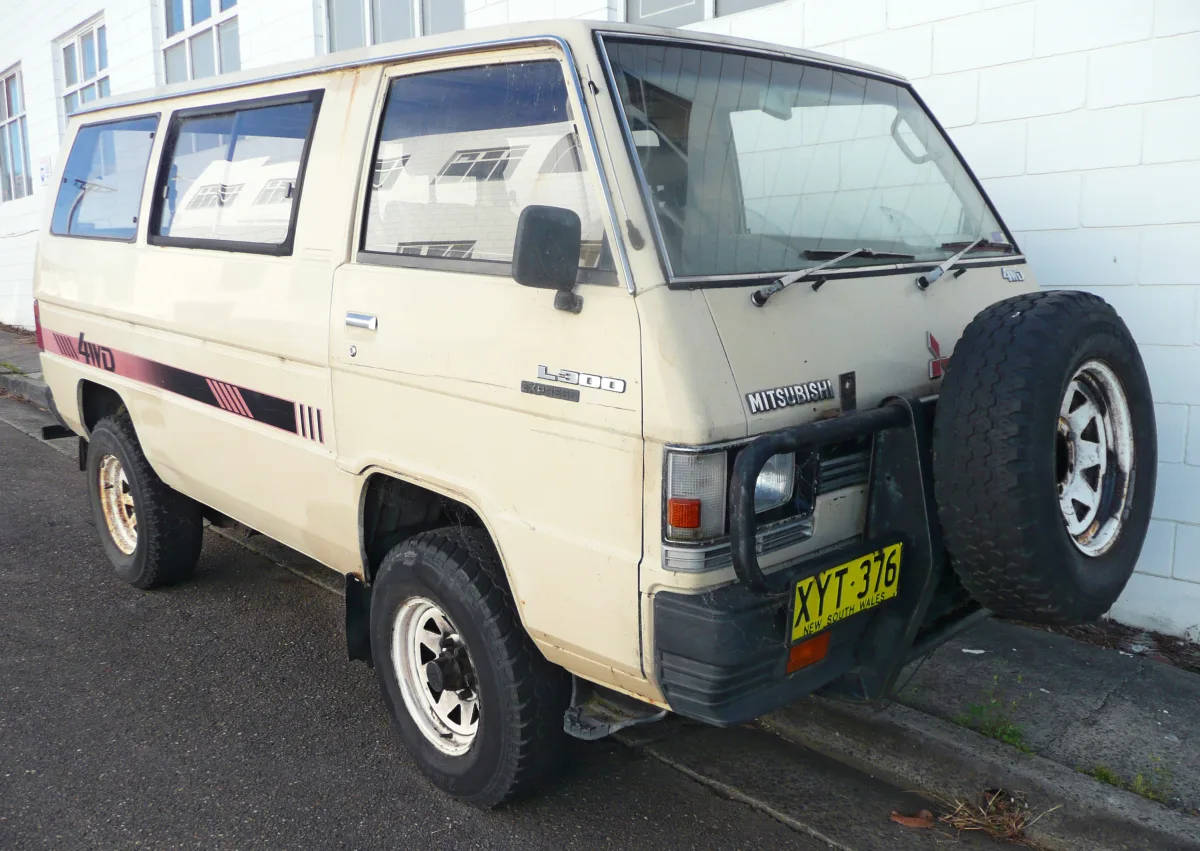
Mitsubishi L300: generations, engines and body styles
The Mitsubishi L300 is a long-running light commercial van and minibus that traces its roots back to the Japanese-market Delica. In this article, we look at how the older and newer versions differ, which engines were used, and what to check when buying a used L300.






The L300 in brief
The L300 is a simple, small commercial vehicle whose name is linked to the Mitsubishi Delica. It was produced in several generations from 1968, and for Asian markets until 2013, so you'll find examples of vastly different ages and conditions.
Common body styles include the cargo van, passenger minibus, and in some markets, a chassis cab. Some models came with four-wheel drive, making them suitable for rough terrain, rural roads, or forestry work.
Which version to choose
The most commonly encountered models in Europe date from the 1980s and 1990s: these are the simpler, more classic van-like generation with a boxy body. These vans are often sought after for camper conversions and as budget workhorses.
The later version, produced in Asia, features a sturdier body and more modern design, but it's rarely seen in Europe. When buying one, pay close attention to paperwork and parts availability.
Engines and gearboxes
The most widely used engine is the 2.5-litre diesel, which is also found in other Mitsubishi vehicles of the era and in vehicles based on them. There were also petrol engines, but these are rarer in the used market.
The gearbox is usually manual. In all-wheel-drive versions, there's an additional reduction gear, which is worth testing when driving on rough terrain.
What to check when buying a used L300
The most important thing is the body and frame corrosion. Check the sills, wheel arches, underbody, and front and rear door gaps. Due to age and varying repair quality, there may be hidden damage.
Start the engine cold: check for smoke, leaks, the clutch, and the gearbox. For diesel cars, it's important to know if the timing belt and fluids have been changed.
In an all-wheel-drive vehicle, check the engagement of the four-wheel drive, the reduction gear, and the joints. Ensure the vehicle's documents and body numbers match the actual car.


Body styles
Trims vary by market and age, so we describe the most commonly found body styles.
Furgonas
All generationsEnclosed cargo area for commercial use.
- Simple design
- Often features rear and side doors
- Suitable for small businesses
Keleivinis mikroautobusas
All generationsPassenger version with seats and windows.
- More seating capacity
- Often features sliding side doors
- Suitable for families and small hauls
Visų ratų pavaros versija
A selection of carsCar with 4WD system for tougher terrain.
- Reductor and all-wheel drive
- Increased ground clearance or special tyres
- Ideal for rural roads and tougher work
Platforma
A range of marketsVersion with an open cargo platform.
- Quick loading
- Simple design
- Suitable for construction and agricultural work
L300 versions compared
| Furgonas | Mikroautobusas | 4WD versija | |
|---|---|---|---|
| Who it's for | For cargo | For passengers | For tougher roads |
| Interior | Basic cargo area | With seats and windows | Basic, practical |
| Running costs | Simple and cheap | Simple and cheap | More expensive due to extra gear |
| Price in the used market (relatively) | € | € | €€ |
For most buyers, the simplest choice is a van or minibus without extra gear. The 4WD version is worth choosing only if you really need the traction.
Pros
- Simple and sturdy construction
- Quite cheap to run
- Wide range of body styles
- Suitable for both work and camping projects
Cons
- Age often brings rust
- Comfort and safety kit is basic
- Finding parts can take time
Frequently asked questions
Is the L300 a good camper?
Yes, many L300s are converted into campervans due to their simple design and price. Make sure to check the body condition and whether the conversion is registered.
Which engine size is most common?
The 2.5-litre diesel is most frequently encountered. Petrol versions are rarer, and their condition is worth scrutinising.
Is the L300 reliable?
The simple design is often seen as a plus, but it's an old car, so much depends on the previous owner's maintenance and rust.
Updated 2026-10-21 · Trim levels and equipment vary by market and model year — check the equipment of the specific car. · Translated automatically


