 English
 Lietuvių
 Latviešu
 Eesti
 Polski
 Русский
 Українська
 Deutsch
 Nederlands
 Čeština
 Slovenčina
 Svenska
 Norsk
 Dansk
 Suomi


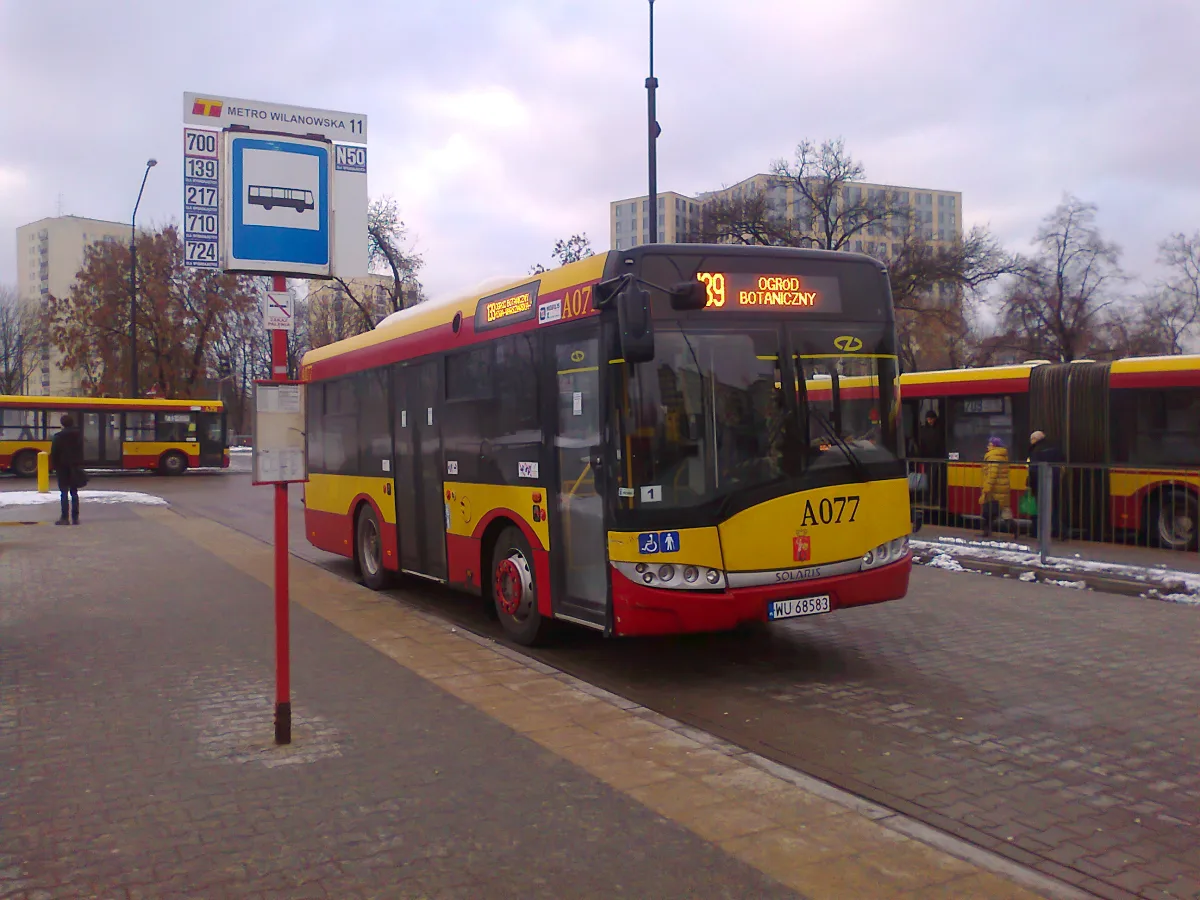
Solaris Alpino: compact city bus, versions and inspection
Solaris Alpino (2008–2019) — a compact low-floor city bus designed for narrow streets and smaller groups of passengers. We look at the versions, engines, and what to check when buying used.






Alpino in brief
Alpino — an approximately 8–9 m long low-floor city bus designed for routes where a larger bus won’t fit or passenger flow is lighter. It’s manufactured in Poland and used in many European cities.
In the used market, the Alpino is often sought by operators needing a compact yet low-floor and comfortable bus. Supply isn’t vast, so the price depends on the specific condition.
Versions — what’s the difference?
Alpino comes in a couple of lengths — roughly 8.6 and 8.9 m, and is also known as the Urbino 8.9 LE. Later versions may have a low-entry (LE) designation — check the exact floor plan in the bus’s documents.
Newer versions come with more modern electronics and stricter emissions standards. Before buying, pinpoint the exact version, as parts requirements may vary.
Engines and transmissions
The Alpino is powered by a turbocharged diesel engine meeting Euro 4–Euro 6 standards depending on the year. The specific engine depends on the order, so check the documents for precise information.
Transmissions are usually automatic. Due to the intense city driving, it’s crucial to check the transmission’s condition and service history.
What to check when buying a used Alpino
Check the body, floor, and doors. Inspect the air suspension, brakes, door mechanisms, and air conditioning. Compact buses wear out quickly as they're used daily.
Request the service history and mileage verification. Start the engine cold and listen for any unusual noises, smoke, or leaks.
In Euro 5/6 versions, check the AdBlue and DPF systems. Inside, inspect the seats, handles, floor, and lighting.


Versions
Names and equipment vary by market and year; we list generally described versions, but check the specific details in the bus's documents.
Alpino 8.6
2008–2019The shorter compact version.
- Low-floor interior
- Compact dimensions
- Often — automatic transmission
Alpino 8.9
various yearsThe longer version with greater capacity.
- More passengers
- Often — low-entry version
- Urbino 8.9 LE name
Alpino Euro 5 / 6
later yearsNewer emissions standards versions.
- AdBlue and DPF
- More modern electronics
- More safety systems
Specialios
various yearsAdapted for other purposes.
- Redesigned interior
- Special equipment
- Check the paperwork
Version comparison
| Alpino 8.6 | Alpino 8.9 | Euro 5/6 | |
|---|---|---|---|
| Who it's for | Narrow streets | Heavier traffic | Modern city routes |
| Length | Around 8.6 m | Around 8.9 m | Depends on the version |
| Environmental impact | Older | Depends on the year | Newer |
| Price in the used market (relatively) | Mid-range | Mid-range | High-end |
The Alpino is ideal for operators needing a compact, low-floor city bus. Choose based on technical condition and the appropriate length for your specific route.
Pros
- Compact dimensions
- Low-floor interior
- Suitable for narrow streets
- Modern city bus design
Cons
- Limited availability in the used market
- Smaller capacity
- The cost of parts can be high
Frequently asked questions
How does the Alpino differ from the Urbino?
The Alpino is a shorter, compact bus, while the Urbino is a larger family of city buses. Certain Alpino versions are named Urbino 8.9 LE.
Where is the Alpino manufactured?
Manufactured in Poland.
What Euro emission standards?
It depends on the year — from Euro 4 to Euro 6. Check the documents for exact details.
Updated 2026-10-21 · Trim levels and equipment vary by market and model year — check the equipment of the specific car. · Translated automatically


