 English
 Lietuvių
 Latviešu
 Eesti
 Polski
 Русский
 Українська
 Deutsch
 Nederlands
 Čeština
 Slovenčina
 Svenska
 Norsk
 Dansk
 Suomi


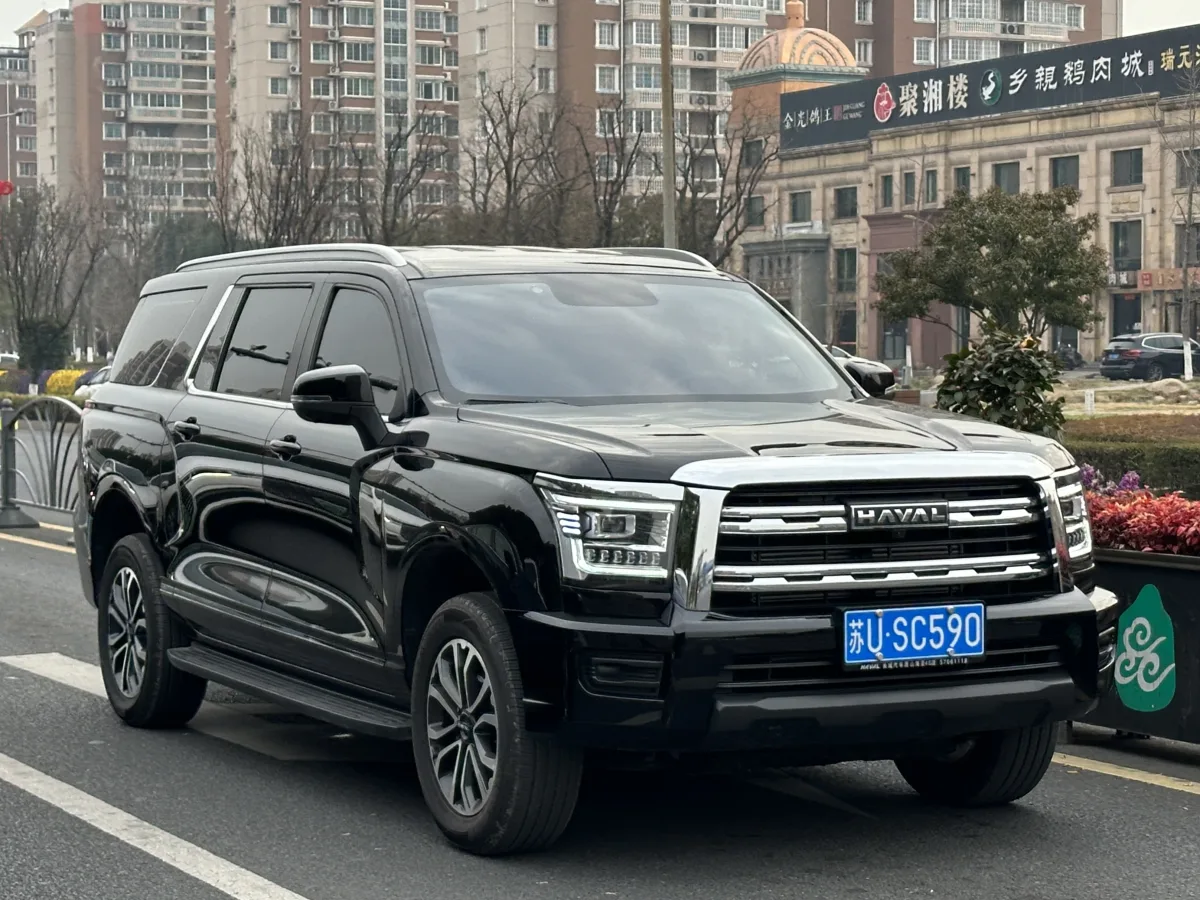
Haval H5: two generations, engines and what the buyer should know
The Haval H5 is Great Wall's rugged SUV, with the first generation (2010–2015, previously known as the Hover H5) having been sold in some European countries, while the newer, more powerful generation came later. We look at how the generations differ and what's important to check.






The Haval H5 in brief
The H5 is a straightforward, body-on-frame SUV with rear-wheel or all-wheel drive. It's aimed at those who prioritise practicality and off-road capability over urban comfort.
The first generation was widely sold in China and exported to some countries; the new generation received a more modern design and interior.
Which generation to choose
The first generation (2010–2015) is simpler, cheaper, but with older technology and safety features. The new generation (from 2023) is much more modern, but it's barely sold in Europe.
If you're looking for a used Haval H5 in Lithuania, you're likely to find only first-generation examples or individual imports. Before buying, check if parts and servicing are available.
Engines and gearboxes
The first-generation H5 was offered with petrol and turbodiesel engines, usually around 2.0 litres, with a manual gearbox. The new generation has a 2.0-litre turbo petrol or diesel engine with an automatic gearbox.
Exact power outputs depend on the version and market, so check these against the specific car's documents.
What to check when buying a used Haval H5
Check for rust on the frame and underbody, the condition of the drivetrain and axles, steering play, and any signs of accident damage. For diesel cars, listen to the engine when cold and check the turbo.
Clearly establish where the car can be serviced and if parts are available. The quality of electronics and interior trim on first-generation models is often basic, so check all controls and switches.


Trim levels
Below, we outline the generations and broad categories — exact trim names vary by market.
Pirmoji karta
2010–2015A more basic, budget-friendly body-on-frame SUV.
- Often — a more basic interior
- Petrol and diesel engine options
- Often — rear-wheel drive or all-wheel drive
Antroji karta
from 2023A more modern version with a larger screen and more powerful engines.
- 2.0-litre turbo petrol and diesel engines
- More modern interior equipment
- More driver assistance systems
Haval H5 generation comparison
| Pirmoji karta | Antroji karta | |
|---|---|---|
| Who it suits | For everyday use | For the modern all-rounder |
| Engine | Around 2.0-litre, petrol or diesel | 2.0-litre turbo, petrol or diesel |
| Availability in Lithuania | Rare | Hardly any |
| Price in the used market (relatively) | € | €€€ |
In Lithuania, you'll practically only find first-generation H5s or individual imports, so maintenance and parts availability are key.
Pros
- Robust body construction
- Good ride comfort
- Simple technology
- Spacious interior
Cons
- Low parts availability and service accessibility
- Poorer interior quality
- Limited supply in the used market
Frequently asked questions
Is the Haval H5 sold in Lithuania?
Officially no, so you'll only find individually imported cars or those previously brought in. Before buying, check the availability of parts and service.
What are the differences between the first and second generations of the H5?
The second generation is more modern: with a more contemporary design, more features, and more powerful engines, but it's hardly sold in Europe.
Is the H5 suitable for off-roading?
Yes, its ladder-frame construction and four-wheel drive are designed for off-roading, but the exact capabilities depend on the version.
Updated 2026-10-21 · Trim levels and equipment vary by market and model year — check the equipment of the specific car. · Translated automatically


