 English
 Lietuvių
 Latviešu
 Eesti
 Polski
 Русский
 Українська
 Deutsch
 Nederlands
 Čeština
 Slovenčina
 Svenska
 Norsk
 Dansk
 Suomi


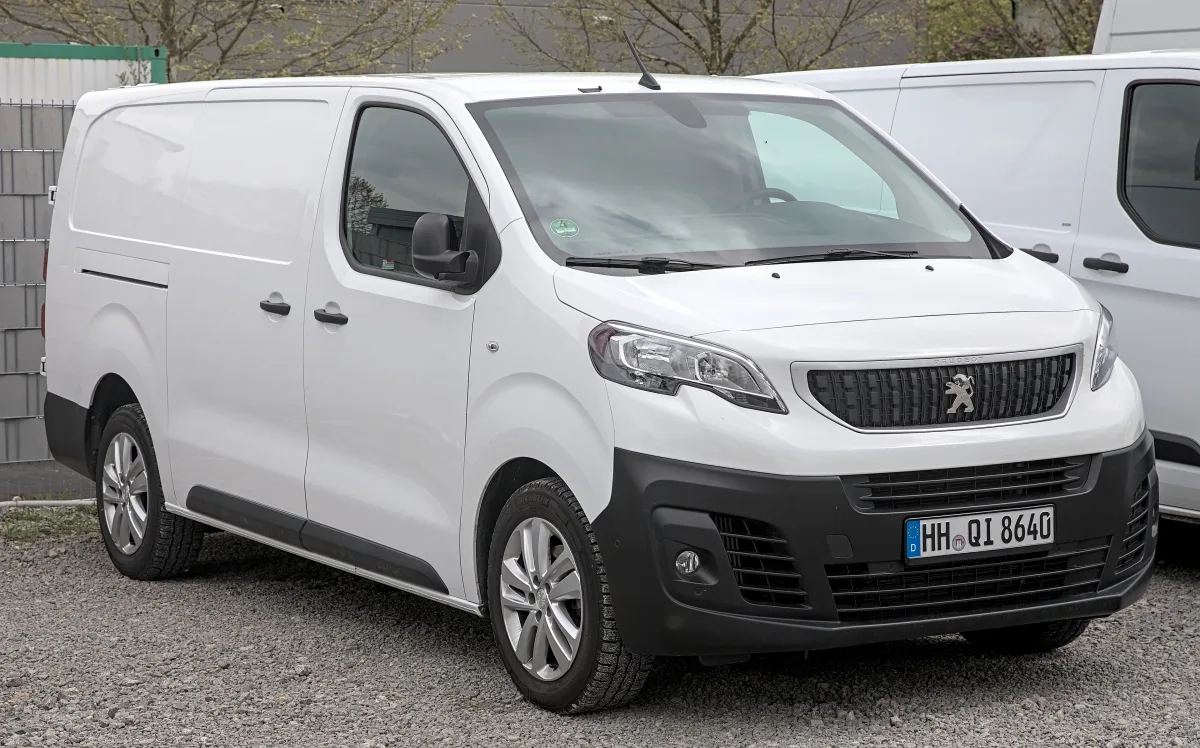
Peugeot Expert: Gen II and III, engines and body styles
The Peugeot Expert is a mid-size van frequently chosen in Lithuania by tradespeople, service companies, and delivery drivers. We review the differences between generations II and III, the most common engines, body styles, and what to check before buying a used Expert.






Expert in brief
The Expert has been in production since 1995. All generations have been co-developed with the Citroën Jumpy, making these vans mechanical twins. Generation II was also sold as the Fiat Scudo and Toyota ProAce, while Generation III spawned the Toyota ProAce, Opel Vivaro, and later the Fiat Scudo. As a result, spare parts are plentiful, and mechanics know these vehicles inside out.
The Expert is available as a panel van, crew van (double cab), and Combi passenger version. The passenger version of Generation III with higher trim levels is sold separately as the Traveller. A rarer chassis-cab platform is used for specialized conversions. Payload capacity varies by version, but typically hovers around one ton or slightly more.
Generations II and III: what's the difference
Generation II (2007–2016) is a simple, rugged workhorse. It was offered in two lengths (L1, L2) and two roof heights (H1, H2), meaning the taller variant can handle bulkier cargo. Today, this is the cheapest Expert on the market, though most examples have high mileage.
Generation III (from 2016) is built on the same EMP2 platform as certain Peugeot passenger cars, making it quieter, more comfortable, and car-like to drive. Three lengths are offered — Compact, Standard, and Long: the shortest is city-friendly, while the longest accommodates bulkier cargo. All Generation III Experts feature a low roof, allowing them to clear most underground parking garages.
The electric e-Expert arrived in 2020, and the model received a facelift in 2024 featuring a refreshed front end and interior. The used market is dominated by early Generation III models, which often strike a great balance between price and condition.
Engines and gearboxes
Generation II is most commonly found with the 1.6 HDi (approx. 90 hp) and 2.0 HDi (approx. 120–165 hp) diesel engines. Most vehicles are equipped with a manual gearbox.
Generation III initially offered 1.6 BlueHDi (approx. 95–115 hp) and 2.0 BlueHDi (approx. 120–180 hp) diesels, with the 1.5 BlueHDi later replacing the 1.6-liter unit. An automatic gearbox is available with the more powerful 2.0 BlueHDi engines, while other variants mostly feature manuals.
The Expert is front-wheel drive; all-wheel-drive versions are exceptionally rare. The electric e-Expert is available with a 50 or 75 kWh battery, so it is wise to realistically assess your range requirements with a load and during winter before buying.
What to check when buying a used Expert
Work vans often accumulate very high mileage, so verify the odometer against MOT (technical inspection) and service records. Check the clutch and dual-mass flywheel: vibration during pull-away, difficult gear engagement, or idling rattles usually signal expensive repairs.
On diesel engines, check the turbocharger, injectors, EGR valve, and particulate filter. Timely oil changes are vital for the 1.6 HDi engine — neglect frequently leads to turbo failure. On Euro 6 BlueHDi engines, pay close attention to the AdBlue system, as faults are relatively common.
Test the sliding doors and their rollers, and inspect the cargo bay floor and walls. Check the underbody, sills, wheel arches, and door bottoms for corrosion, particularly on Generation II models.


Body styles
Trim level names vary significantly by market and year, so we highlight the most common body configurations below.
Furgonas
Generations II and IIIThe most popular cargo version with two or three seats in the cab.
- Gen II: L1 or L2 length, H1 or H2 roof height; Gen III: Compact, Standard, or Long
- Frequently features one or two sliding side doors
- Often equipped with a bulkhead load-through hatch for long items
Furgonas su dviguba kabina
Generation IIIPanel van with a second row of seats — ideal for working crews.
- Second row of seats behind the cab
- Smaller cargo bay behind the bulkhead
- Typically paired with the longer body style
Combi / Tepee
Generations II and IIIA straightforward passenger version; also known as the Tepee in Generation II.
- Usually 8–9 seats
- Simple, wipe-clean trim
- Often features removable rear seats
Traveller
Generation IIIA passenger version with higher-grade trim sold under a separate name.
- Up to 8–9 seats
- Often features power sliding doors
- Frequently paired with an automatic gearbox
e-Expert
Generation III, from 2020An electric van for urban and suburban deliveries.
- 50 or 75 kWh battery
- Cargo capacity identical to the diesel van
- Often supports fast charging capabilities
Comparison of Generation III versions
| Furgonas | Dviguba kabina | Combi | Traveller | |
|---|---|---|---|---|
| Best suited for | Cargo and services | Crews with tools | Passenger transport | Comfort and family |
| Wheels (typically) | Steel | Steel | Steel | Alloy |
| Cabin | Chassis cab only | Crew cab | Up to 9 seats, basic trim | Top-tier trim |
| Used market price (relative) | € | €€ | €€ | €€€ |
For work, the Standard van with the 1.5, 1.6 or 2.0 BlueHDi engine is usually the best bet. For passenger transport, the Combi is the most rational choice, while the Traveller is worth going for if comfort is a priority.
Pros
- Great availability and plenty of spare parts (shared with Citroën, Opel, Toyota and Fiat)
- The low-roof Gen III is well suited to multi-storey car parks
- Comfortable cabin, drives much like a passenger car
- Economical diesel engines
Cons
- Working vans are often heavily worn
- AdBlue system issues on BlueHDi engines
- There is no high-roof version available in the third generation
Frequently asked questions
How does the Peugeot Expert differ from the Citroën Jumpy?
The Expert and Jumpy are developed and built together, meaning the mechanics, engines and most spare parts are identical. The differences mostly boil down to the front end, badges and some trim naming conventions, so it's best to choose based on the condition of the specific car.
Which Expert length should I choose?
The Compact is handy in the city and narrower streets, the Standard is the most versatile, and the Long is ideal when you need to haul long items or bulky gear. It is worth measuring what you plan to carry most often before buying.
Will the Expert fit in an underground car park?
The Gen III Expert features a low roof, meaning it will generally fit into most underground car parks and garages. However, always double-check the height limit of the specific location and the vehicle's stated height in the documents, especially if roof racks or ladders are fitted.
Is the electric e-Expert worth buying?
The e-Expert makes sense if you run predictable daily routes around town or the suburbs and have reliable access to a charger. For long-distance driving with heavy loads, a diesel remains the more convenient option.
Updated 2026-10-10 · Trim levels and equipment vary by market and model year — check the equipment of the specific car. · Translated automatically


