 English
 Lietuvių
 Latviešu
 Eesti
 Polski
 Русский
 Українська
 Deutsch
 Nederlands
 Čeština
 Slovenčina
 Svenska
 Norsk
 Dansk
 Suomi


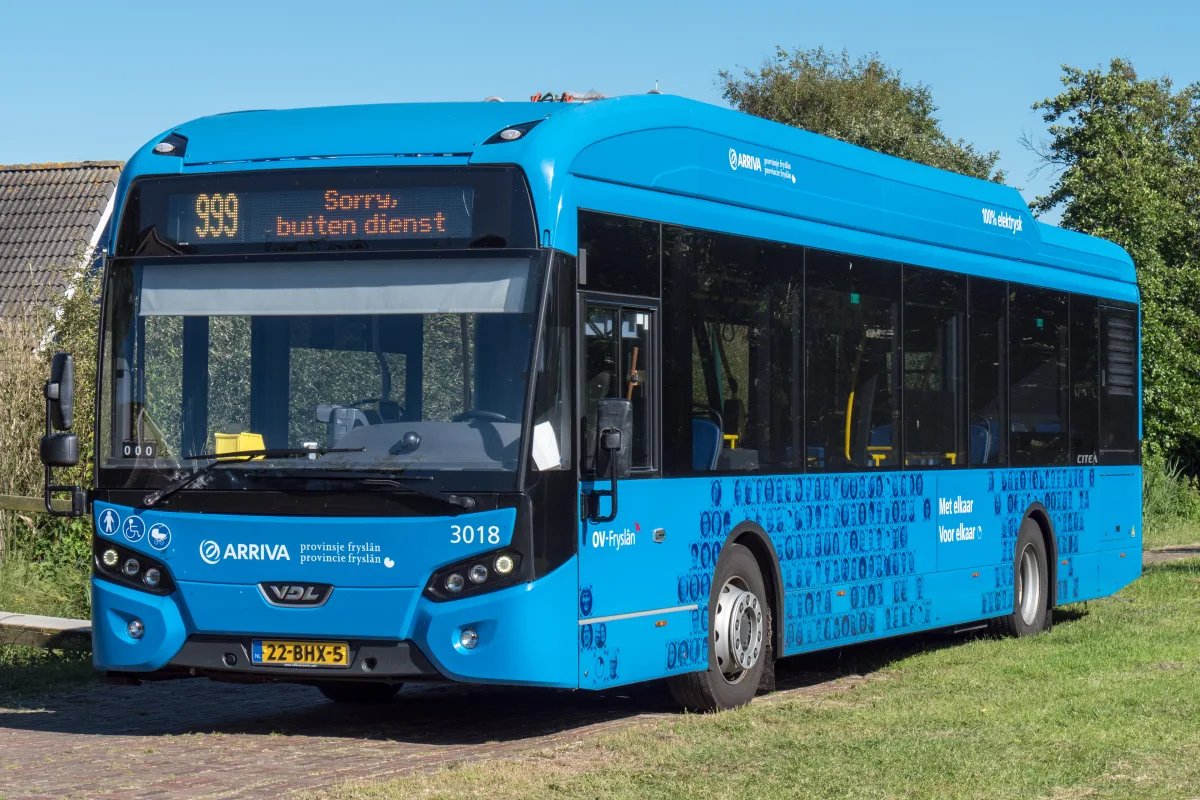
VDL Citea: the urban bus family, versions and what to check
VDL Citea (from 2009) — the Dutch VDL Bus & Coach range of urban and suburban buses, covering diesel, hybrid, and electric models. We look at the versions, engines, and what to check when buying used.






Citea in brief
Citea is a modular bus family where you can choose the length, number of doors, and drivetrain type. It's designed for public transport — from city routes to suburban lines, with some versions suited to longer journeys.
Thanks to a wide range and constantly updated offerings, Citea is a common sight in European fleets. In the used market, diesel versions are particularly sought after, while the supply of electric models has been growing in recent years.
Versions — what's the difference?
Citea comes in several lengths — from more compact models to around 12m standard and longer articulated (SLFA) buses. The main family groups are SLF (low-floor), LLE (low-entry zone), and various suburban versions.
As well as diesels, there are electric (Citea Electric) and hybrid versions. The value of electric buses is largely determined by the condition of the batteries, so these need to be evaluated differently to diesels.
Engines and gearboxes
Diesel Citeas typically use DAF engines, meeting Euro 5/EEV or Euro 6 standards. Electric versions are powered by electric motors, with energy stored in batteries.
Gearboxes are usually automatic (ZF EcoLife or Voith). In city mode, the gearbox works hard, so its condition and oil change history are crucial.
What to check when buying a used Citea
Inspect the body, floor, and doors, as city buses work hard every day. Check the air suspension, brakes, door mechanisms, and air conditioning system.
In diesel versions, start the cold engine, listen for any unusual noises, and look for leaks. Euro 5/6 engine AdBlue and DPF systems should work without faults.
In electric versions, ask for battery condition data, charging cycle history, and warranty information. Without reliable battery data, an electric bus is a risky purchase.


Versions
Names and equipment vary by market and year; we list generally described versions, but check the exact specification in the documents of the specific bus.
Citea SLF
From 2009The main low-floor city bus version.
- Low-floor interior
- Often — DAF engine
- Automatic gearbox
Citea SLFA
Various yearsLonger, articulated variant.
- Greater capacity
- Suspension joints
- Expensive maintenance
Citea LLE
Various yearsCity version with a higher roof.
- More comfortable for longer journeys
- Often — more room to sit
- Fewer parking spaces
Citea Electric
Later yearsElectric version with no local emissions.
- Battery pack
- Charging required
- Check the battery condition
Comparison of versions
| SLF | LLE | Electric | |
|---|---|---|---|
| Who it suits | For city routes | For suburban lines | Cities with charging infrastructure |
| Transmission | Diesel | Diesel | Electric |
| Maintenance | More basic | More basic | Requires battery monitoring |
| Price in the used market (relatively) | €€ | €€ | €€€ |
The Citea is ideal for operators needing a modular, reliable city bus. Diesel versions are a safer bet, while electric models should only be considered if you have battery data.
Pros
- Modular range with a wide choice
- Reliable DAF engines
- Electric and diesel versions
- Strong offering in Europe
Cons
- Heavy city use wears out parts
- Replacing electric batteries is expensive
- Maintenance of Euro 5/6 systems
Frequently asked questions
How does the SLF differ from the LLE?
The SLF is a low-floor city bus, while the LLE has a higher section and is better suited for suburban routes.
Is there an electric Citea?
Yes, there are electric versions of the Citea in use in many European cities.
What are the most common issues?
It depends on the mileage and usage — most often, door mechanisms, suspension airbags, and brake components wear out.
Updated 2026-10-21 · Trim levels and equipment vary by market and model year — check the equipment of the specific car. · Translated automatically


