 English
 Lietuvių
 Latviešu
 Eesti
 Polski
 Русский
 Українська
 Deutsch
 Nederlands
 Čeština
 Slovenčina
 Svenska
 Norsk
 Dansk
 Suomi


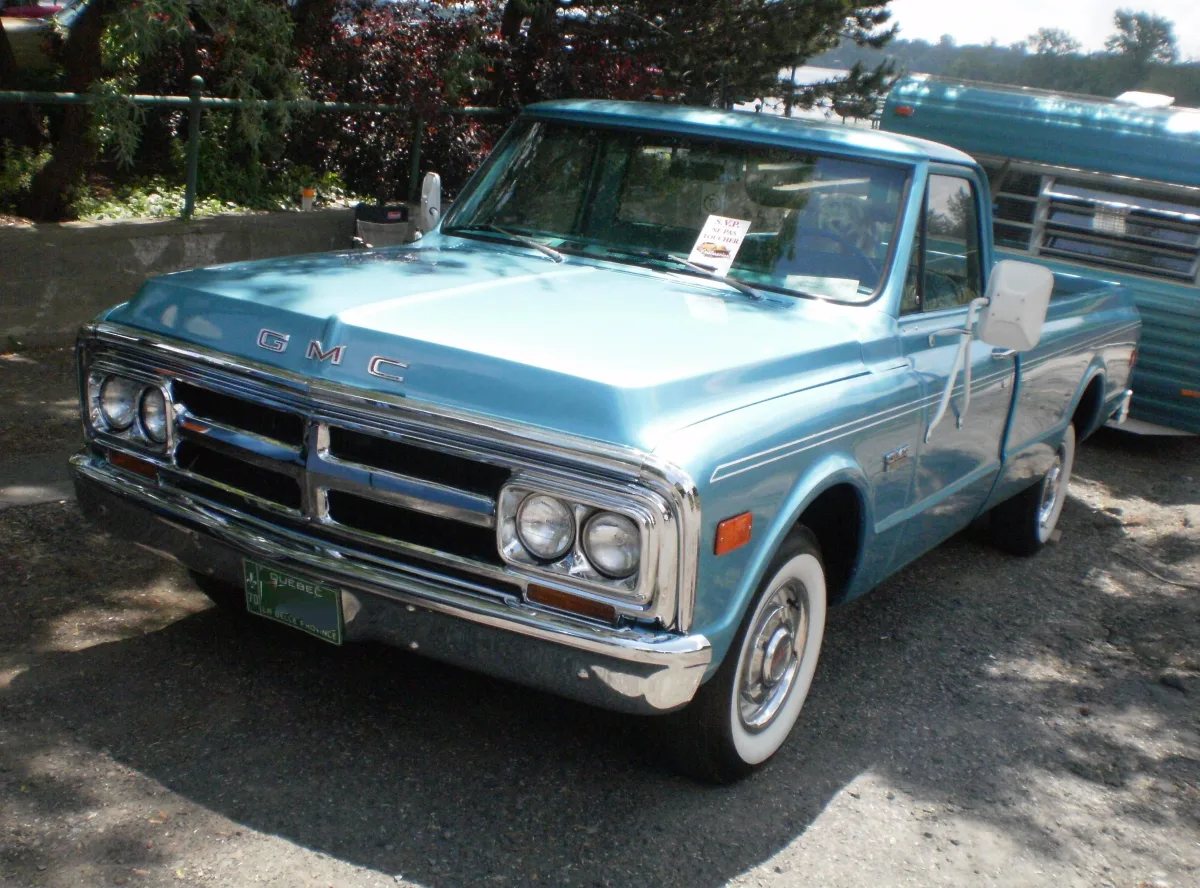
GMC C/K: the pickup series, generations, and what to know when buying
GMC C/K — the GMC pickup series, produced from 1960 until the end of the 1990s and shared with the Chevrolet C/K. We look at the generations, engines, and what to check when buying a classic American pickup.






C/K in brief
The letter 'C' in the name stands for two-wheel drive, 'K' for four-wheel drive. The series included pickups, cab chassis, and other trucks, with SUVs also built on the same platform.
The GMC versions differed from the Chevrolet with trim, grilles, and other details, but the technical base was shared.
Generations — what sets them apart
The first generation was produced from 1960–1966, the second from 1967–1972, and the third from 1973–1987. The fourth generation, known as the GMT400, was produced from 1988–1998 and was significantly more modern.
Earlier generations are valued for their classic design, while the fourth is seen as the most practical and comfortable for daily use.
Engines and transmissions
Throughout the series' history, six-cylinder and V8 petrol engines were used, and later, diesel engines as well. Transmissions were manual and automatic.
Power and capacities vary by generation and version, so always check the specific vehicle's technical specifications in the documents.
What to check when buying a used C/K
Most importantly — the body and frame condition: look for rust in the seams, under the doors, in the wheel arches, and at the corners of the cab. Also, inspect the suspension and brakes.
Check the condition of the engine and gearbox, ensure the numbers match the documents, and that the car hasn't been overly modified. Pickups are often used for heavy-duty work.


Generations
The C/K had several trim levels, with names varying by era; we list the generations.
Antroji karta
1967–1972The classic 'Action Line' generation with a distinctive, low design.
- Six-cylinder or V8 engine
- Often — manual transmission
- Basic interior trim
Trečioji karta
1973–1987The most widespread 'Rounded Line' generation.
- Various V8 and six-cylinder engines
- Often — better trim
- Good parts availability
Ketvirtoji karta
1988–1998The more modern GMT400 generation with improved comfort.
- More modern interior
- Wide range of engines
- Better safety features
Comparison
| Antroji karta | Trečioji karta | Ketvirtoji karta | |
|---|---|---|---|
| Who it's for | For the classic car enthusiast | Versatile use | Daily driving |
| Year | 1967–1972 | 1973–1987 | 1988–1998 |
| Parts availability | Average | Good | Good |
| Price in the used market (relatively) | €€ | €€ | € |
The fourth generation is the most practical for daily use, while classic enthusiasts might prefer the second or third. The most important thing is a sound body.
Pros
- A robust and uncomplicated design
- A classic pickup truck appearance
- Wide range of engines
- Good parts availability
Cons
- Rust
- High fuel consumption
- Safety features on older models are inadequate
Frequently asked questions
What do C and K stand for?
C stands for two-wheel drive, K for four-wheel drive.
Is the GMC C/K the same as the Chevrolet C/K?
Technically, they're almost the same, differing only in badges and trim.
Which generation is the best?
It depends on your goal: classic lovers might prefer the older ones, while daily drivers should look at the 1988–1998 generation.
Updated 2026-10-21 · Trim levels and equipment vary by market and model year — check the equipment of the specific car. · Translated automatically


