 English
 Lietuvių
 Latviešu
 Eesti
 Polski
 Русский
 Українська
 Deutsch
 Nederlands
 Čeština
 Slovenčina
 Svenska
 Norsk
 Dansk
 Suomi


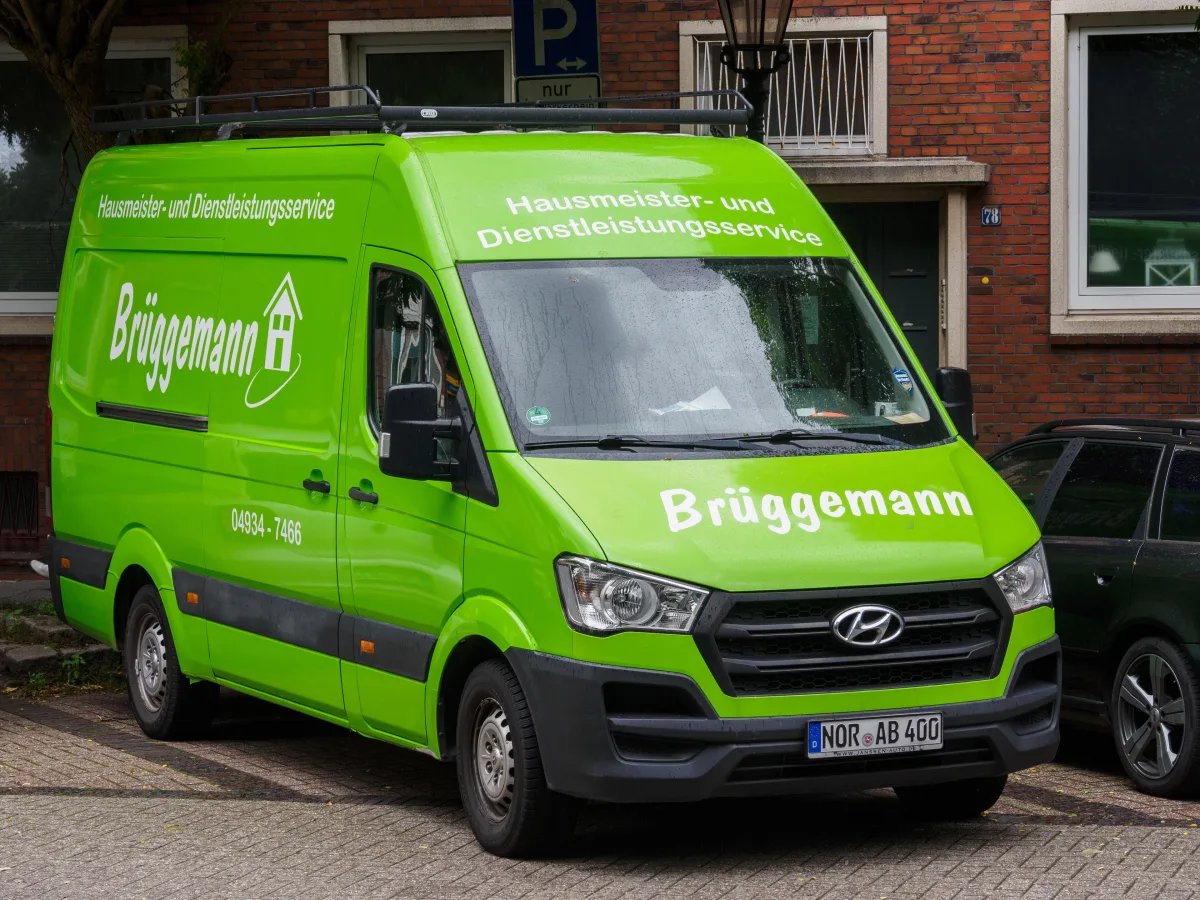
Hyundai H350: van and minibus, engine and versions
The Hyundai H350 is a large van and passenger minibus, produced from 2014 to 2021. We look at the versions, engine, length and roof options, and what to check when buying a used H350.






H350 in brief
The H350 is Hyundai's large commercial vehicle, introduced in Europe in 2014 as a rival to the Ford Transit, Mercedes Sprinter and other large vans. It's offered as a van, passenger minibus and cab chassis.
It features rear-wheel drive, a spacious cargo area and a wide range of body options. Mostly used in delivery, rental and passenger transport businesses.
Versions and bodies
The H350 comes in several lengths and roof heights. The van is for cargo, the minibus for passengers (up to 15 seats, depending on configuration), and the cab chassis for special bodies.
The passenger version is often used as a minibus for tourism, commuting or passenger transport.
Engine and gearbox
The most common engine is the 2.5-litre CRDi diesel, offered in several power outputs (roughly from 130 to 150 hp). The gearbox is manual.
Thanks to its rear-wheel drive, the H350 is better suited to heavier loads than front-wheel-drive vans, although the engine isn't the most economical.
What to check when buying a used H350
Body: door sills, scratches, wheel arches and cargo area floor. Commercial vehicles are often heavily used.
Check the diesel engine for injectors, turbo, DPF and EGR condition, and oil leaks. The engine should start without prolonged cranking and shouldn't smoke.
In the passenger version, check the seat mounts and safety belts. Inspect the ride based on service records.


Trim levels and versions
Trim names vary by market and year; below are the most common versions by purpose.
Furgonas (vidutinis)
2014–2021The most popular length for most tasks.
- Mid-sized cargo area
- Often — high roof
- Often — twin sliding doors
Furgonas (ilgas)
2014–2021More cargo space for longer items.
- Longer cargo area
- High roof is common
- Less manoeuvrability
Mikroautobusas
2014–2021For transporting passengers.
- Lots of seating
- Side-hinged doors
- Higher spec than the van
Važiuoklė su kabina
2014–2021Designed for specialist bodies
- Open rear end
- Suitable for a flatbed or body
- Body kit fitted separately
H350 comparison
| Furgonas vidutinis | Furgonas ilgas | Mikroautobusas | |
|---|---|---|---|
| Who it's for | For delivery and work | More load space | For passenger transport |
| Body | Van | Van | Passenger version |
| Engine | 2.5 CRDi | 2.5 CRDi | 2.5 CRDi |
| Price in the used market (relatively) | €€ | €€ | €€€ |
Most buyers will find a mid-size van or minibus with a 2.5 CRDi. Choose based on actual condition and service history.
Pros
- Large cargo area and rear-wheel drive
- Wide range of body styles and lengths
- Often comes with more features than older competitors
- Often not more expensive than competitors
Cons
- Used market supply is smaller than that of more popular competitors
- Diesel DPF and EGR maintenance costs
- The engine isn't the most economical
Frequently asked questions
How does the H350 differ from the Hyundai H-1?
The H-1 is a smaller van or minibus, while the H350 is larger, designed for heavier loads and more passengers. They have different platforms.
Is the H350 suitable for passenger transport?
Yes, the microbus version is designed for passenger transport and offers plenty of seating. Before buying, check the number of seats and whether the vehicle has the necessary permits for passenger transport.
Which engine to choose?
Most commonly offered is the 2.5 CRDi — it's suitable for most tasks. When selecting, inquire about the specific power output and service history.
Updated 2026-10-21 · Trim levels and equipment vary by market and model year — check the equipment of the specific car. · Translated automatically


