 English
 Lietuvių
 Latviešu
 Eesti
 Polski
 Русский
 Українська
 Deutsch
 Nederlands
 Čeština
 Slovenčina
 Svenska
 Norsk
 Dansk
 Suomi


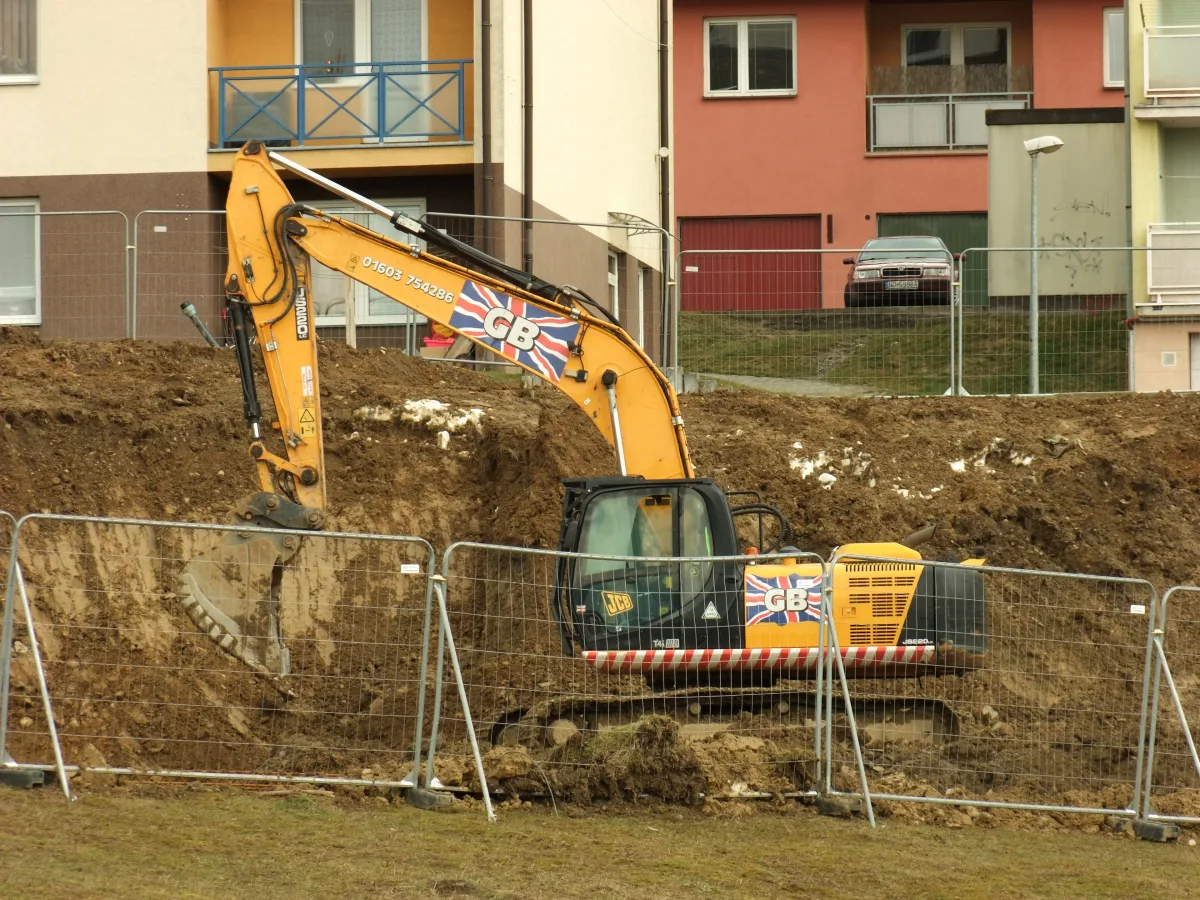
JCB JS220: 22-tonne excavator, versions and inspection
JCB JS220 — a mid-size tracked excavator with an operating weight of around 22–24 tonnes. We look at the JS220 and JS220LC versions, key features, and what to check when buying a used JS220.






JS220 in brief
JCB JS220 — a popular class of JCB excavators used for digging, loading, and road and utility work. Often competes with the Cat 323, Komatsu PC210, and Volvo EC220.
Some machines come with an extended boom or arm, while others have additional hydraulics for a hammer. Therefore, it's worth checking exactly what equipment is fitted before buying.
Versions and series
Common versions are the JS220 and JS220LC (longer undercarriage). They differ in undercarriage length, stability, and transport weight. Newer versions have a more modern cab and advanced electronics.
Before buying, it's essential to determine the exact series and year of manufacture, as engine standards and electronics vary.
Engine and key components
JS220s are typically fitted with Isuzu diesel engines. Newer versions feature systems that meet stricter Stage standards, the condition of which is important to the buyer.
Key components: hydraulic pumps and valve block, swing reducer and gear, undercarriage with tracks, rollers, and idlers, boom and arm with cylinders and pins.
What to check when buying a used JS220
Check the engine hours and service history, look for smoke, oil leaks, and ensure hydraulic pressure is stable. Listen for any whining or vibration from the hydraulic pumps.
Assess the car's handling and steering, the seat and steering wheel adjustments. Check if the vehicle has been worked on with a hammer, and inspect the condition of the quick-release mechanism.


Versions and trims
Names and equipment vary by market and year of production; we list the versions most commonly found in Europe.
JS220
base trimThe base car, standard configuration.
- Often — simpler electronics
- Lower price in the used market
- A thorough inspection of the car is essential
JS220LC
long wheelbaseMore stable version for heavy-duty work.
- Longer wheelbase
- Greater stability
- Often — wider tyres
JS220 su kūju
depending on the trimPrepared for work with a hydraulic hammer.
- Additional hydraulic lines
- Suitable for dismantling work
- Hydraulics must be checked
JS220 su ilga strėle
depending on the trimExtended reach for greater accessibility
- Greater accessibility
- Often — special buckets
- Lower lifting capacity
JS220 version comparison
| JS220 | JS220LC | JS220 su kūju | |
|---|---|---|---|
| Who it's for | For general-purpose work | For heavy-duty work and stability | For dismantling |
| Chassis | Standard | Long | Standard or long |
| Hydraulics | Base | Base | Additional |
| Price in the used market (relatively) | Mid-range | Mid-range | High-end |
The standard JS220 is great for general work. For heavier tasks, opt for the LC, and for dismantling, go for a machine with additional hydraulics.
Pros
- A wide range of JCB service centres and parts
- Robust build quality
- Often more affordable than Cat or Komatsu
- Plenty of version choices
Cons
- Used market prices vary depending on condition
- Newer versions with SCR and particle filters require maintenance
- Expensive maintenance costs
Frequently asked questions
What is the weight of the JCB JS220?
Operating weight is around 22–24 tonnes, depending on the version and undercarriage. Check the exact weight in the documentation.
How does the JS220 differ from the JS220LC?
The LC stands for a longer undercarriage, providing more stability, but the machine is wider and heavier.
Is it worth buying a JS220 with high mileage?
Yes, if there is a service history and the undercarriage and hydraulics have been checked. High mileage without a history is a risk.
Updated 2026-10-21 · Trim levels and equipment vary by market and model year — check the equipment of the specific car. · Translated automatically


