 English
 Lietuvių
 Latviešu
 Eesti
 Polski
 Русский
 Українська
 Deutsch
 Nederlands
 Čeština
 Slovenčina
 Svenska
 Norsk
 Dansk
 Suomi


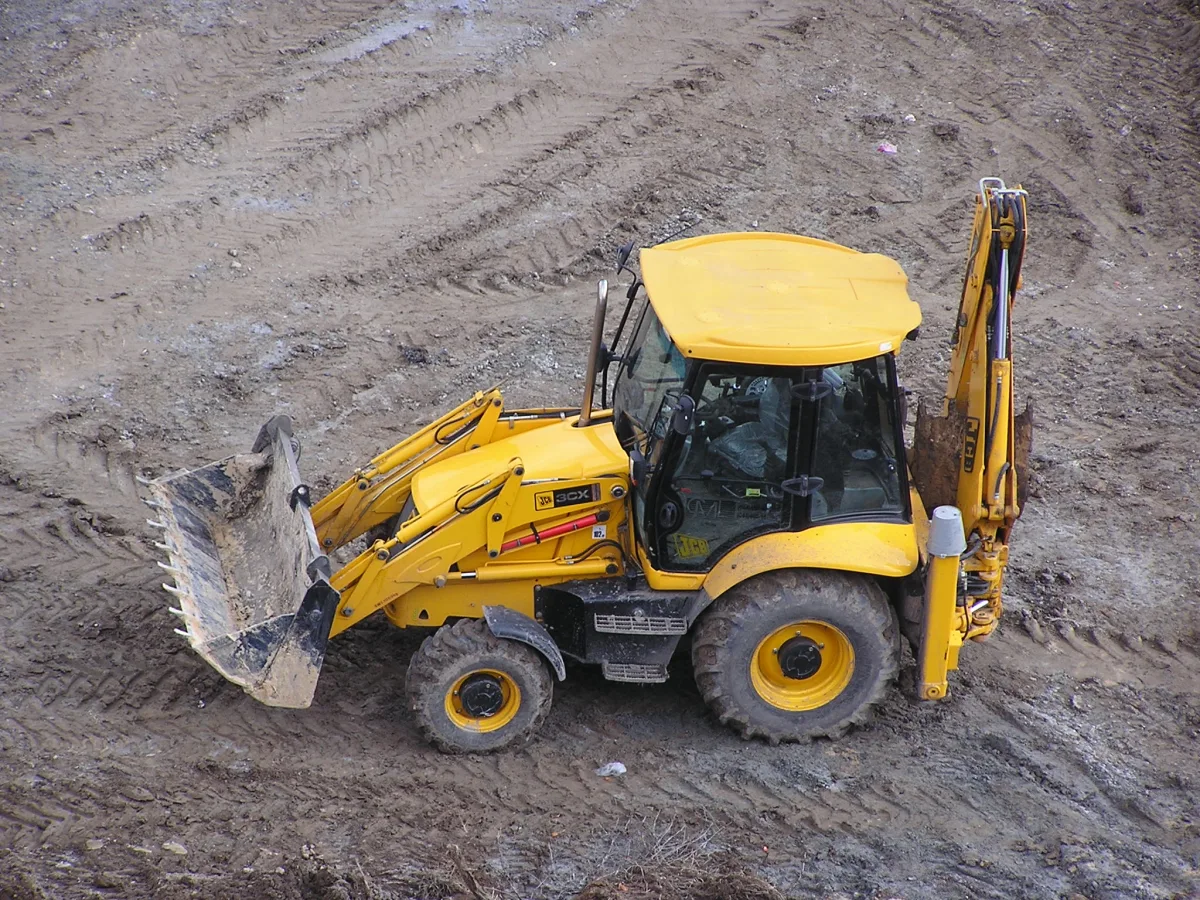
JCB 3CX: backhoe loader, series and inspection
The JCB 3CX is one of the world's most renowned backhoe loaders, produced since 1980. We look at the main versions, engines, transmission, and what to check when buying a used 3CX.






3CX in brief
The JCB 3CX is a versatile machine with a front loader bucket and rear excavator arm. It's used for digging, loading, roadwork, and utility tasks, making it suitable for both construction companies and municipal services.
The operating weight is typically around 8 tonnes, with a digging depth of over 5 metres. Due to its popularity, there's a large supply of used machines, and parts are easy to find.
Versions and series
Available versions include Sitemaster, Contractor, Super, Eco, and Compact. They differ in terms of equipment, cab design, and cabin comfort—newer machines offer better visibility and ergonomics.
Some machines feature a side-shift for the excavator arm, while others have a fixed position. Hydraulics also vary: some come with additional lines for hammers or other attachments.
Engines and transmission
Earlier 3CX versions often use Perkins engines, while newer ones feature JCB's own Dieselmax or EcoMax diesels. Some machines meet stricter Stage emissions standards and have additional exhaust gas treatment systems.
The transmission is either a mechanical reversible (Synchro Shuttle) or with a hydrostatic drive (Powershift). The choice depends on the version: Powershift is more convenient for frequent forward and reverse travel.
What to check when buying a used 3CX
Check the engine hours, oil level, starting, smoke, and cooling system. Test the transmission: the shifts should be smooth, with no grinding or constant slipping.
Inspect the plough mount and trailer hitch for play and wear (play is a common issue), cylinder wear, and the condition of the stabiliser (sway bar). Check for frame cracks, axle and brake condition, and whether there has been extensive welding.


Versions and trims
Names and equipment vary by market and production year; we list the versions most commonly found in Europe.
3CX Sitemaster
base versionBasic version for construction sites.
- Often — a simpler cab
- Manual reverse transmission
- Lower price in the used market
3CX Contractor
improved versionMore comfort and features.
- Often — additional hydraulics
- More comfortable cab
- Suitable for heavy-duty work
3CX Eco
more efficient versionFocused on fuel efficiency.
- Often — a more modern engine
- Often — Powershift transmission
- Good visibility and ergonomics
3CX Compact
smaller versionSmaller car for tight spaces.
- Smaller dimensions
- Easier to manoeuvre
- Suitable for city driving
3CX version comparison
| Sitemaster | Contractor | Eco | |
|---|---|---|---|
| Who it's for | For budget-conscious work | For daily heavy-duty use | For economical work |
| Transmission | Often manual | Manual or Powershift | Often Powershift |
| Comfort | Basic | Better | Good |
| Price in the used market (relatively) | Budget-friendly | Mid-range | Premium |
For a budget construction firm, the Sitemaster or Contractor with a good history might be suitable. If you're working intensively and fuel costs are important, it's worth looking for the Eco version.
Pros
- Versatility – digging and loading with one machine
- Wide range of used options available
- Parts are easily sourced
- Basic maintenance
Cons
- Play in the steering and suspension of many older cars
- Less power than specialist excavators and loaders
- Comfort is limited in older versions
Frequently asked questions
How does the 3CX differ from the 4CX?
The 4CX is larger and heavier, with a longer arm and deeper digging depth. The 3CX is often cheaper and more manoeuvrable.
Is it worth buying a 3CX with Powershift?
Yes, if the transmission operates smoothly. Powershift is more convenient for loader work, but repairs can be more expensive than mechanical reversers.
What are the most common 3CX problems?
Most commonly — play in the steering and suspension, hydraulic leaks, and transmission wear. You'll find out more during an inspection.
Updated 2026-10-21 · Trim levels and equipment vary by market and model year — check the equipment of the specific car. · Translated automatically


