 English
 Lietuvių
 Latviešu
 Eesti
 Polski
 Русский
 Українська
 Deutsch
 Nederlands
 Čeština
 Slovenčina
 Svenska
 Norsk
 Dansk
 Suomi


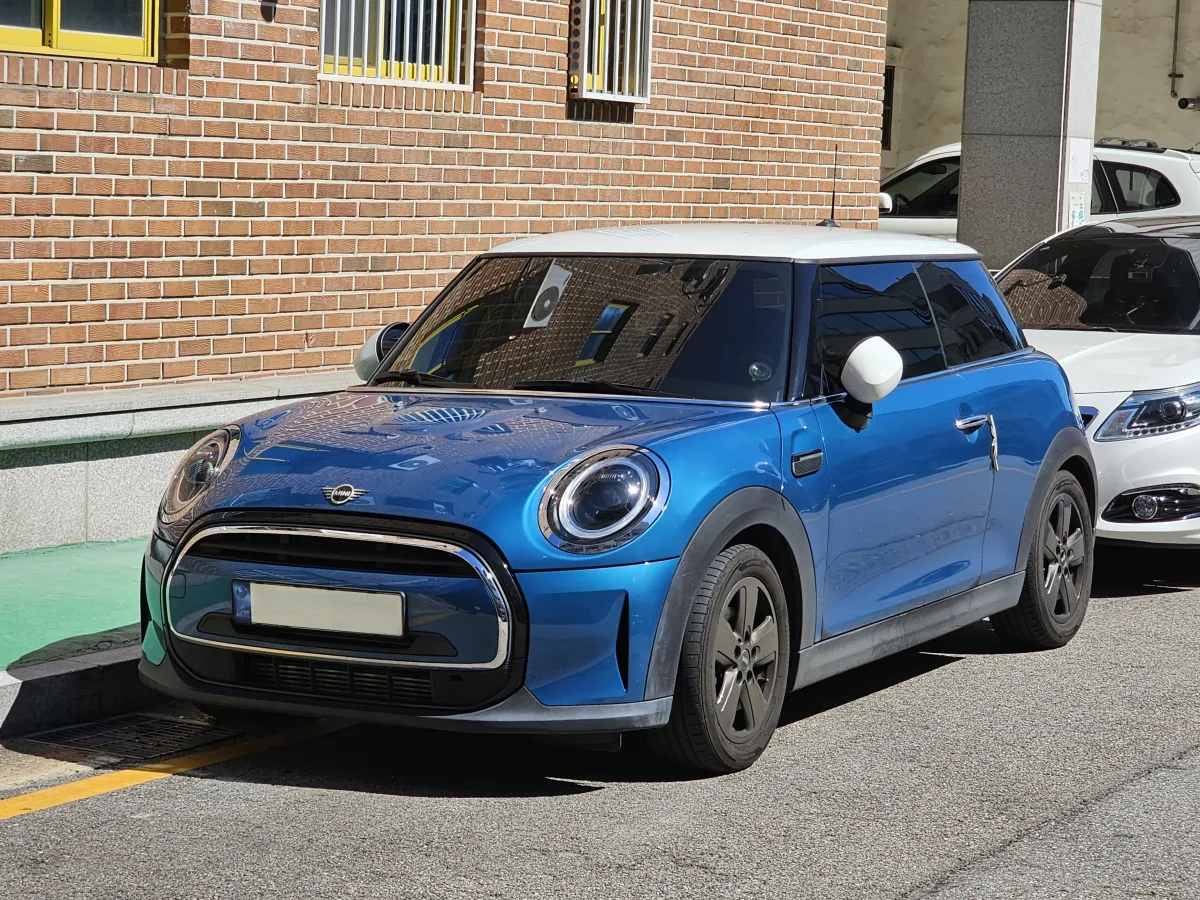
MINI Hatch: R56 and F56/F55 generations, engines and trims
MINI Hatch, often simply called MINI Cooper, is a small, stylish hatchback prized for its looks and thrilling drive. We look at how the R56 and F56/F55 generations differ, which engines you'll find, how the One, Cooper, Cooper S and John Cooper Works compare, and what to check when buying used.






MINI Hatch in brief
The modern MINI has been in production since 2001, when BMW took over the brand. The first generation (R50/R53) was made until 2006, the second (R56) from 2006 to 2013, and the third (F56 — 3-door, F55 — 5-door) from 2014 to 2024. A new generation was introduced in 2024, offering both electric and petrol engines.
Trims are defined by the engine: One is the base model, Cooper is the most popular, Cooper S is the sporty option, and John Cooper Works (JCW) is the most powerful. Diesel models are marked with a D (Cooper D, Cooper SD). The MINI is celebrated for its distinctive design, high-quality interior, and quick, precise handling, but space in the back and boot is limited.
How R56 and F56 differ
The R56 generation (2006–2013) is the most affordable way to get a MINI, but it has the most well-known issues. Some of this generation's petrol engines are notorious for timing chain and tensioner problems, as well as increased oil consumption, so service history is particularly important when buying.
The F56 and F55 generations (2014–2024) are larger, more comfortable, and more modern, with BMW engines and better sound insulation. This is the most popular generation in the used market. The 5-door F55 has additional rear doors and a slightly longer wheelbase, making it more practical for daily use.
The F56 generation was updated twice: in 2018, cars received rear lights with a Great Britain flag motif and a new 7-speed dual-clutch transmission, and in 2021, a revised front end and more modern equipment. The electric Cooper SE was introduced in 2020.
Engines and transmissions
In the F56 generation, the One typically has a 1.2 or 1.5-litre three-cylinder petrol engine (around 75–102 hp), the Cooper has a 1.5-litre three-cylinder (around 136 hp), the Cooper S has a 2.0-litre four-cylinder (around 192 hp), and the John Cooper Works has a 2.0-litre (around 231 hp). Diesel engines like the Cooper D (1.5, around 116 hp) and Cooper SD (2.0, around 170 hp) are less common.
The electric Cooper SE has around 184 hp and is primarily suited to city driving, with a limited range.
Transmissions come as a 6-speed manual or automatic. Until 2018, the automatic was a classic 6-speed, later replaced by a 7-speed dual-clutch Steptronic in many versions. In the R56 generation, 1.6-litre petrol engines (Cooper around 120 hp, Cooper S with turbo around 175–184 hp) and diesel engines are most common.
What to check when buying a used MINI
In an R56 generation petrol car, check if the timing chain and tensioner are worn. A cold engine shouldn't rattle after starting, and the oil level should be correct — frequent top-ups are a warning sign. In turbocharged Cooper S engines, deposits can build up on the intake valves, reducing power.
In F56 generation cars, check for oil or coolant leaks, and with a two-pedal box, see if the car moves smoothly from a standstill without juddering. The ride is firm, so pay attention to suspension noises and the condition of large wheels.
For all cars, check the mileage against service records and MOTs, and the body for painted parts and uneven gaps. Cooper S and JCW models are often driven enthusiastically, so it's worth checking the brakes, gearbox, and accident history.


Versions
Trim levels vary by market, year, and selected packages; we list the most common F56/F55 generation versions found in Europe.
One
R56, F56/F55The simplest and most affordable version.
- A lower-power petrol engine
- Often 15-inch wheels
- More basic trim
Cooper
R56, F56/F55The most popular version — a good balance of power and economy.
- 1.5 three-cylinder engine (F56)
- Often the Pepper or Chili trim package
- Often LED headlights
Cooper D
R56, F56/F55The diesel version for high-mileage drivers.
- Low fuel consumption
- Equipment similar to the Cooper version
- Less commonly found in the used market
Cooper S
R56, F56/F55Sporty version with a more powerful engine
- Air intake scoop on the engine cover
- Larger wheels, twin exhaust tips in the centre
- Often features sport seats
John Cooper Works
R56, F56/F55The most powerful and sporty version
- Most powerful 2.0-litre engine (F56)
- Sporty brakes and suspension
- JCW interior trim
Cooper SE
F56, from 2020City-friendly electric version
- Electric motor, around 184 hp
- Limited range
- Slightly increased headroom
Comparing F56 generations
| One | Cooper | Cooper S | John Cooper Works | |
|---|---|---|---|---|
| Who it's for | For city driving and a smaller budget | For daily commuting | For driving comfort | For sporty driving |
| Wheels (most common) | 15-inch | 15–16-inch | 16–17-inch | 17–18-inch |
| Engine | 1.2–1.5, 3 cylinders, 75–102 hp | 1.5, 3 cylinders, 136 hp | 2.0, 192 AG | 2.0, 231 AG |
| Interior | Base | Often the Pepper or Chili pack | Often sport seats | Sport seats, JCW trim |
| Price in the used market (relatively) | € | €€ | €€ | €€€ |
For most buyers, the best choice is the F56 generation Cooper: it's quick enough, frugal, and easier to maintain. The Cooper S is worth considering for more thrills, while the JCW is for serious driving enthusiasts.
Pros
- Distinctive design and a quality interior
- Quick, precise handling
- Holds its value well
- A wide range of versions — from One to JCW and electric
Cons
- Limited space in the rear seats and boot
- Firm suspension
- Known issues with petrol engines in the R56 generation
Frequently asked questions
Which MINI generation is best to buy used?
For many buyers, the best choice is the F56 or F55 generation, especially after the 2018 update: it's more reliable than the R56, more modern and better equipped. The R56 is only worth buying with a clear service history.
What's the difference between a MINI Cooper and Cooper S?
In the F56 generation, the Cooper has a 1.5 three-cylinder engine (around 136 hp), while the Cooper S has a 2.0 four-cylinder (around 192 hp). The Cooper S is faster and looks sportier, but it consumes more fuel and is usually more expensive.
Should you choose a 3 or 5-door MINI?
The 3-door MINI is classic and a bit more playful, while the 5-door has additional rear doors and a longer wheelbase, making it easier to get into the back. If you often carry passengers or kids, the 5-door is more practical.
Is MINI expensive to maintain?
MINI servicing often costs more than that of regular small cars, as the technology is similar to BMW. The F56 generation Cooper is one of the most sensible choices, while more powerful versions and the R56 generation often require more expensive repairs.
Updated 2026-10-09 · Trim levels and equipment vary by market and model year — check the equipment of the specific car. · Translated automatically


