 English
 Lietuvių
 Latviešu
 Eesti
 Polski
 Русский
 Українська
 Deutsch
 Nederlands
 Čeština
 Slovenčina
 Svenska
 Norsk
 Dansk
 Suomi


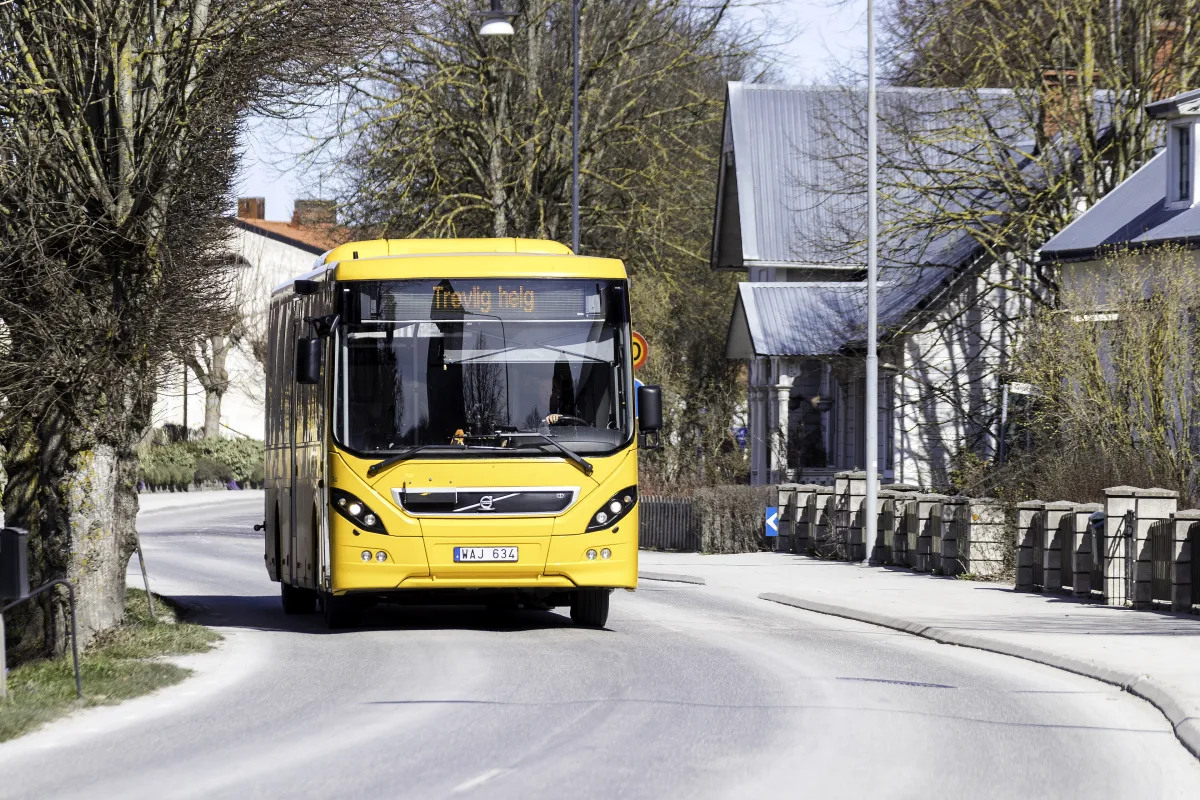
Volvo 8900: urban and long-distance coach, versions and inspection
Volvo 8900 (from 2011) — a modern urban and intercity coach, manufactured in Poland. We look at the versions, engines, and what to check when buying used.






8900 in brief
8900 — the Volvo coach for urban, regional, and intercity routes. It's manufactured in Poland and available as a standard version and as a low-entry (LE / RLE) variant.
Thanks to its versatility, the 8900 is used as both a regional and an intercity coach. It's popular among used buyers looking for a reliable and economical coach.
Versions — what's the difference
The 8900 is offered in various lengths and with different interior layouts. Low-entry versions (LE / RLE) are designed for urban routes, while the standard version is for longer journeys with more comfort.
Newer versions feature Euro 6 engines, more modern electronics, and additional safety systems. Older Euro 5 versions are cheaper but may have more wear and tear.
Engines and transmissions
The 8900 is powered by Volvo diesel engines, typically around 8 litres in capacity, meeting Euro 5 or Euro 6 standards. They are praised for their economy and reliability.
Transmissions are automated or automatic (depending on the configuration). Due to heavy use, it's especially important to check the condition and service history of the transmission.
What to check when buying a used 8900
Check the body, especially the floor, sills, and doors. Inspect the air suspension, brakes, and door mechanisms. These parts are likely to wear out first in city buses.
Start the engine cold and listen for any unusual noises, smoke, or oil leaks. In Euro 6 versions, check the AdBlue and DPF systems.
Request a full service history, check the air conditioning system, seats, and interior. Ensure the mileage matches the wear and tear.


Versions
Names and equipment vary by market and year; we list generally described versions, check the exact specification in the specific bus documents.
8900 (standartinis)
from 2011City and intercity version.
- Comfortable interior
- Euro 5 / Euro 6 engine
- Often — more luggage space
8900 LE
various yearsLow-entry city version.
- Easy access
- More standing room
- Designed for regional routes
8900 RLE
various yearsEntry-level version with axle configuration.
- Low entry
- Often — versatile use
- Check exactly for the version
8900 Euro 6
newer yearsModern generation with top-tier equipment.
- AdBlue and DPF
- More safety systems
- More advanced electronics
Version comparison
| Standartinis | LE | RLE | |
|---|---|---|---|
| Who it suits | For intercity trips | For urban commutes | For versatile use |
| Entry | With steps | Low | Low |
| Comfort | Higher | Mid-range | Mid-range |
| Price in the used market (relatively) | €€€ | €€ | €€ |
8900 is ideal for drivers who need a versatile city or intercity bus. Choose the version based on your route and check the technical condition, not just the looks.
Pros
- Versatile use
- Reliable Volvo engines
- Wide range of versions
- Economical
Cons
- Intensive use wears parts
- Euro 6 system maintenance
- The cost of parts can be high
Frequently asked questions
How does the LE differ from the standard 8900?
The LE offers a lower entry point and more standing room, while the standard is more suited to comfortable journeys.
Where is the 8900 built?
Built in Poland.
What Euro emissions standards does it meet?
It depends on the year — from Euro 5 to Euro 6. Check the documents for precise details.
Updated 2026-10-21 · Trim levels and equipment vary by market and model year — check the equipment of the specific car. · Translated automatically


