 English
 Lietuvių
 Latviešu
 Eesti
 Polski
 Русский
 Українська
 Deutsch
 Nederlands
 Čeština
 Slovenčina
 Svenska
 Norsk
 Dansk
 Suomi


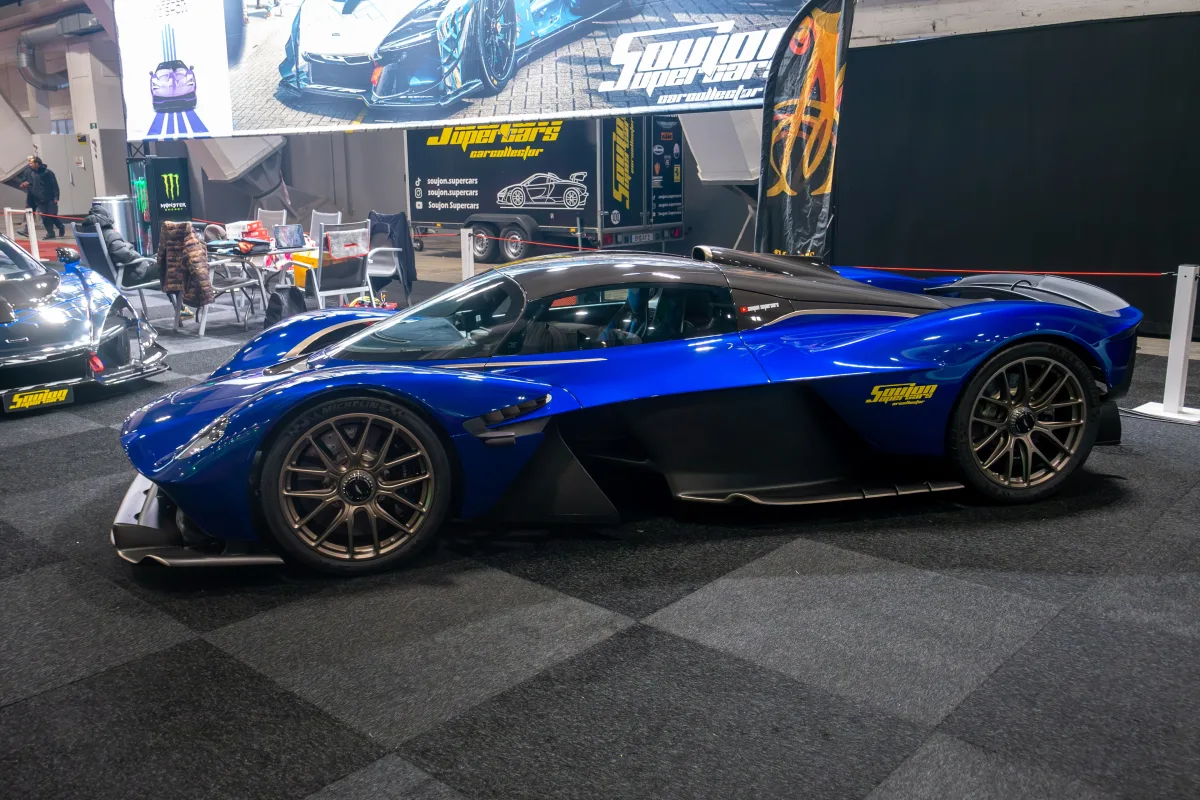
Aston Martin Valkyrie: hybrid hypercar and what you need to know
Aston Martin Valkyrie — a limited-run hypercar, developed with Red Bull Advanced Technologies and available to buyers from 2021. In this article, we review the model's technology, versions, and key points for potential buyers.






Valkyrie in brief
Valkyrie — a two-seater hypercar with aerodynamics and lightweight construction borrowed from the world of racing. The car was created by Aston Martin in collaboration with Red Bull Advanced Technologies, with its design and aerodynamics based on the work of Adrian Newey.
This is an especially rare model: produced in limited quantities, primarily for collectors and enthusiasts, rather than everyday use.
Versions
The base version is the Valkyrie coupé, designed for road use. Later came the open-top Valkyrie Spider, and the track-focused limited edition — Valkyrie AMR Pro.
Due to the limited run, each example often has unique specifications, so it's worth evaluating each one individually.
Engine and transmission
The Valkyrie is powered by a 6.5-litre naturally aspirated V12 engine, developed with Cosworth and supplemented by an electric motor. The combined system output is around 1160 hp.
The transmission is a 7-speed robotised manual. The car is rear-wheel drive, and the high power and aerodynamics demand considerable driving experience.
What to know before buying a Valkyrie
Due to its extremely low production run, purchasing usually takes place through specialist dealers, auctions, or directly from the previous owner. It's crucial to check the car's provenance, documents, and whether it has always been serviced by the manufacturer's network.
Pay attention to the mileage, which is typically very low, and how the car has been maintained, as some of its components require specialist care.
Before signing any contract, engage the manufacturer's representatives or an independent specialist, as the availability of standard spare parts and certified services is very limited.


Trim levels
Names and equipment vary by market and year; we list the versions most commonly found in Europe.
Valkyrie
From 2021A coupe designed for the road with a hybrid powertrain.
- 6.5-litre V12 with an electric motor, around 1160 hp
- Light carbon fibre construction
- A car with a very limited production run
Valkyrie Spider
Later versionConvertible version.
- The same powertrain
- Removable roof
- Limited production run
Valkyrie AMR Pro
Facelift seriesTrack-focused version.
- Tailored for the track
- Sportier aerodynamics
- Not intended for public roads
Comparison of versions
| Valkyrie | Spider | AMR Pro | |
|---|---|---|---|
| Who it's for | For collectors and enthusiasts | For open-top driving fans | For track day participants |
| Use on roads | Yes | Yes | No |
| Price in the used market (relatively) | €€€ | €€€ | €€€ |
The Valkyrie is a collector's hypercar — your choice largely depends on whether you want to drive on roads or the track. Choose based on provenance and documentation.
Pros
- A unique hypercar with racing technology
- A naturally aspirated V12 with hybrid assistance
- Especially rare and collectible
- Aerodynamics and lightweight construction
Cons
- Very high price and rarity
- Complex and expensive maintenance
- Not very practical for daily use
Frequently asked questions
What engine does the Aston Martin Valkyrie have?
A 6.5-litre naturally aspirated V12, supplemented by an electric motor. Total system power is around 1160 hp.
How does the Valkyrie Spider differ from the coupe?
The Spider is the convertible version, with essentially the same technology and powertrain.
Can the Valkyrie be used on roads?
The coupe and Spider versions are suited to road use, while the AMR Pro is track-only.
Updated 2026-10-19 · Trim levels and equipment vary by market and model year — check the equipment of the specific car. · Translated automatically


