 English
 Lietuvių
 Latviešu
 Eesti
 Polski
 Русский
 Українська
 Deutsch
 Nederlands
 Čeština
 Slovenčina
 Svenska
 Norsk
 Dansk
 Suomi


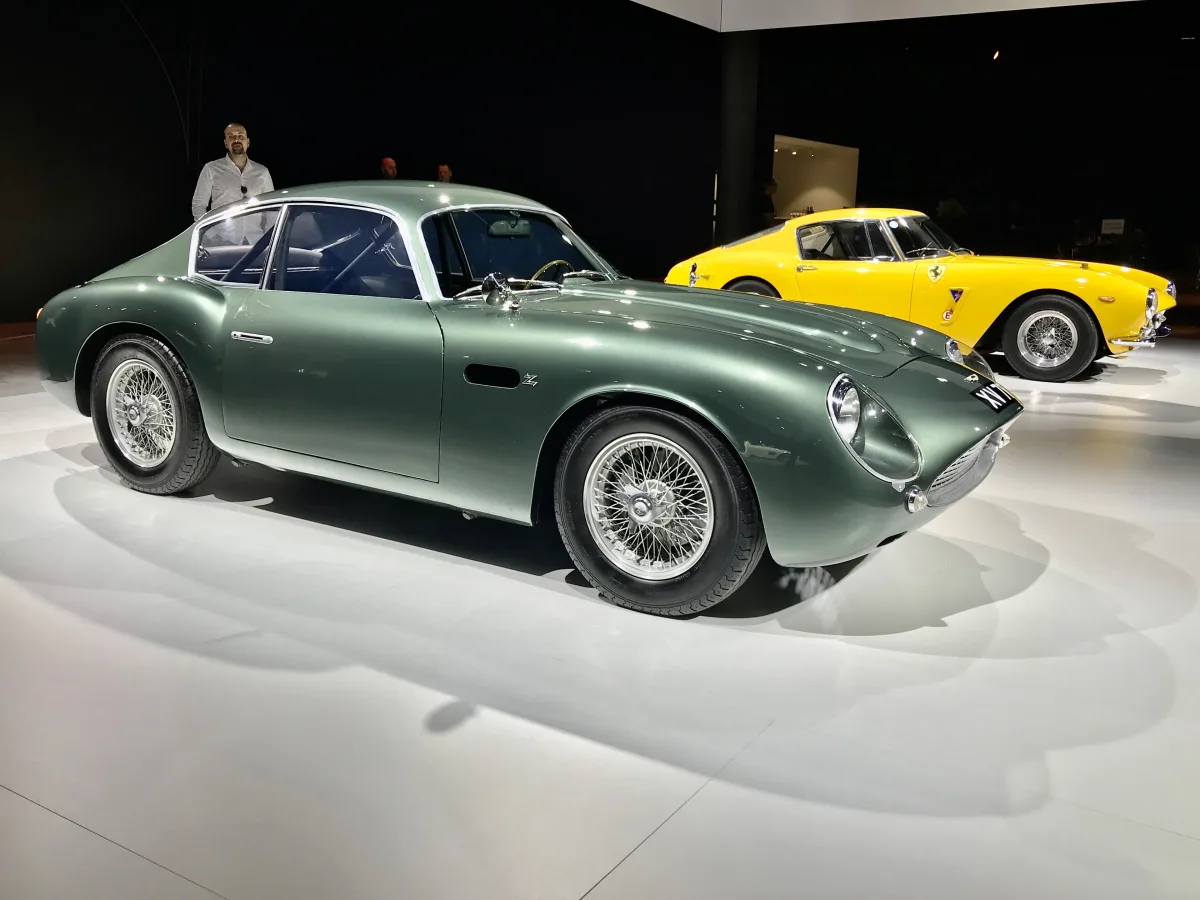
Aston Martin DB4 GT Zagato: 1960–1963 legend and 19-unit series
The Aston Martin DB4 GT Zagato is one of the most famous and expensive legends of Aston Martin's classic lineup, created between 1960 and 1963 in collaboration with Zagato. In this article, we explore what makes this car special, its technology, and why buying one requires a particular level of caution.






DB4 GT Zagato in brief
The DB4 GT Zagato is the sporty version of the Aston Martin DB4 GT, featuring a lightweight aluminium body crafted by Zagato. Only 19 original cars were produced, making it one of the rarest and most valuable British classic sports cars.
The car was designed for racing and spirited driving, not everyday use. Its limited production, racing pedigree, and unique design have made it one of the most coveted collectible Aston Martin models today.
Original and later 'continuation' cars
The original series consists of 19 cars built between 1960 and 1963. Later, Aston Martin and Zagato created an additional 19 'continuation' cars, built to the original design but in the modern era.
There are two distinct buying paths: the original car is valued for its historical provenance, while the 'continuation' is seen as a new, highly limited collectible item. In either case, thorough documentation checks are crucial.
Engine and transmission
The engine is a 3.7-litre inline six-cylinder with twin overhead camshafts, designed by Tadeusz Marek. It produces around 300 hp, giving this lightweight car excellent performance.
Gearbox — four-speed manual, drive — rear-wheel. Base — shortened DB4 GT chassis, and the lightweight body further emphasized the car's sporting character.
What to know before buying
The DB4 GT Zagato rarely appears on the market, and its price is usually set through specialist auctions and private deals. Most importantly — provenance documents, chassis and engine numbers, and the car's history.
Before purchasing, an independent Aston Martin classic specialist inspection is essential. Restoration of such cars is expensive, and the original body condition and authenticity greatly affect the value.


Trim levels
Names and equipment vary by market and year; we list the versions most commonly found in Europe.
DB4 GT Zagato (originalas)
1960–1963Original 19-car series example.
- 3.7-litre straight-six engine
- Lightweight Zagato aluminium body
- Extremely high collectible value
DB4 GT Zagato Continuation
Later periodLimited 19-car series based on the original design.
- Body created according to the original
- More modern production
- A collectible, highly limited car
Comparing the original DB4 GT Zagato and the 'continuation'
| Originalas | Continuation | |
|---|---|---|
| Who it's for | For collectors of historic cars | For collectors looking for a new, limited-edition car |
| Origin | Produced 1960–1963 | Later produced to the original spec |
| Price in the used market (relatively) | €€€ | €€€ |
The DB4 GT Zagato is a unique collectible car whose value is determined by its provenance and originality. Expert appraisal is essential before purchase.
Pros
- Extremely rare — only 19 original cars
- Famous Zagato design lineage
- Light, sporty engineering
- Huge collectible value
Cons
- Unusually expensive and hard to come by
- Expert inspection and provenance check essential
- Restoration and maintenance very costly
Frequently asked questions
How many DB4 GT Zagatos were made?
19 cars produced in the original run from 1960–1963
What’s the difference between the original and a ‘continuation’?
The original car was made from 1960–1963, while the ‘continuation’ is a later, limited-run series built to the same design.
Can you use such a car every day?
Practically no. This is a collector’s car, meant for shows, events, and careful driving.
Updated 2026-10-21 · Trim levels and equipment vary by market and model year — check the equipment of the specific car. · Translated automatically


