 English
 Lietuvių
 Latviešu
 Eesti
 Polski
 Русский
 Українська
 Deutsch
 Nederlands
 Čeština
 Slovenčina
 Svenska
 Norsk
 Dansk
 Suomi


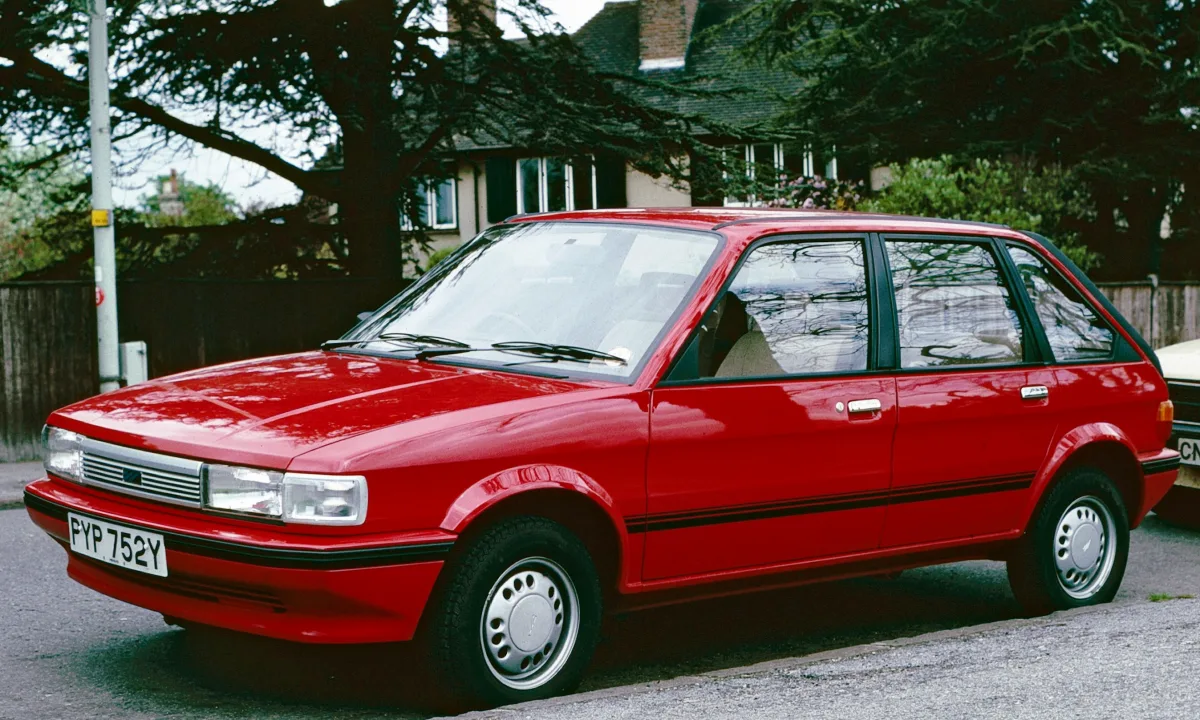
Austin Maestro: trims, engines and what to check
Austin Maestro — a British compact-class hatchback with front-wheel drive, produced since 1983. In this article, we review the trims, engines, and what to check if you're considering buying this rare car today.






Maestro in brief
The Maestro was Austin Rover's attempt in the 1980s to offer a modern family hatchback with spacious interiors and a wide glasshouse. The body was of a five-door hatchback type, and front-wheel drive was already a common solution for compact cars at the time.
Today, the Maestro is a rare car. Most surviving examples are in the hands of classic car enthusiasts or collectors, so buying one often feels more like searching for a classic car rather than a daily driver.
Which version to choose
The base versions were simple, focused on economy and everyday use. Higher trims offered more comfort, and the sportiest version was the MG Maestro — its authentic examples are highly valued today.
When choosing, the most important thing is not the trim but the condition. Maestro parts and body details become increasingly hard to find as they age, so it's best to look for an unmodified, rust-free, and well-maintained example.
Engines and gearboxes
The Maestro was offered with petrol 1.3 and 1.6-litre engines, and a 2.0-litre engine in the sportier versions. Later, a diesel version also appeared. Check the exact power and engine type according to the specific car's documents.
Manual gearboxes are most common, although automatic versions were also available. The gearbox and clutch of older cars need to be checked, as some have covered many miles.
What to check when buying a used Maestro
The most important thing is body corrosion. Check the sills, wheel arches, underbody, and boot lid – these areas are often the first to succumb to rust on older British cars.
Check if the engine starts easily and has no oil or coolant leaks. Test the clutch and gearbox, and inspect the suspension components.
Electronics and interior trim in older cars are more prone to faults. Make sure all controls work and there are no signs of moisture.


Trim levels
Names and equipment vary by market and year; we list the versions most commonly found in Europe.
City
All productionThe basic entry-level version.
- Basic trim
- Simpler equipment
- Focused on economy
L
All productionMid-range trim.
- Often features better interior trim
- More comfort features
- A wider choice of engines
Mayfair
Later yearsA more comfortable version.
- Often features better interior trim
- More kit than the base models
- Geared towards family use
Vanden Plas
All productionA more luxurious version with distinctive trim.
- Often — leather or special trim
- More comfort features
- Valued by collectors
MG Maestro
All productionThe sportiest Maestro version.
- More powerful engine
- Sportier looks
- Often — special alloy wheels
Comparison of trims
| City | L | Vanden Plas | MG Maestro | |
|---|---|---|---|---|
| Who it suits | Everyday use | Daily driving | For comfort lovers | For sporty drivers |
| Engine | Often smaller | Often smaller or mid-sized | Varies by year | More powerful 2.0-litre |
| Interior | Basic | Basic or mid-range | More luxurious | Sportier |
| Price in the used market (relatively) | € | € | €€ | €€ |
If you're after a simple and affordable classic car, opt for a well-maintained City or L Vanden Plas, and the MG is worth considering when character matters more than just practicality.
Pros
- A rare, distinctive British hatchback
- Spacious and bright interior for its class
- Simple construction
- A fascinating choice for classic car enthusiasts
Cons
- Rust and age are the main issues
- Finding parts can be challenging
- Rare, so few specialists are around
Frequently asked questions
Is the Austin Maestro still usable daily?
Theoretically yes, if the car is in good condition, but due to its age and the difficulty of finding parts, it's often kept as a second car or a hobby project.
Which Maestro version is the most valuable?
Collectors usually value the original MG Maestro and the more luxurious Vanden Plas versions the most, provided they are in good condition.
Are Maestro engines reliable?
The construction is simple, but age does its thing. The key is how well the car has been maintained and whether there are any issues related to aging.
Updated 2026-10-21 · Trim levels and equipment vary by market and model year — check the equipment of the specific car. · Translated automatically


