 English
 Lietuvių
 Latviešu
 Eesti
 Polski
 Русский
 Українська
 Deutsch
 Nederlands
 Čeština
 Slovenčina
 Svenska
 Norsk
 Dansk
 Suomi


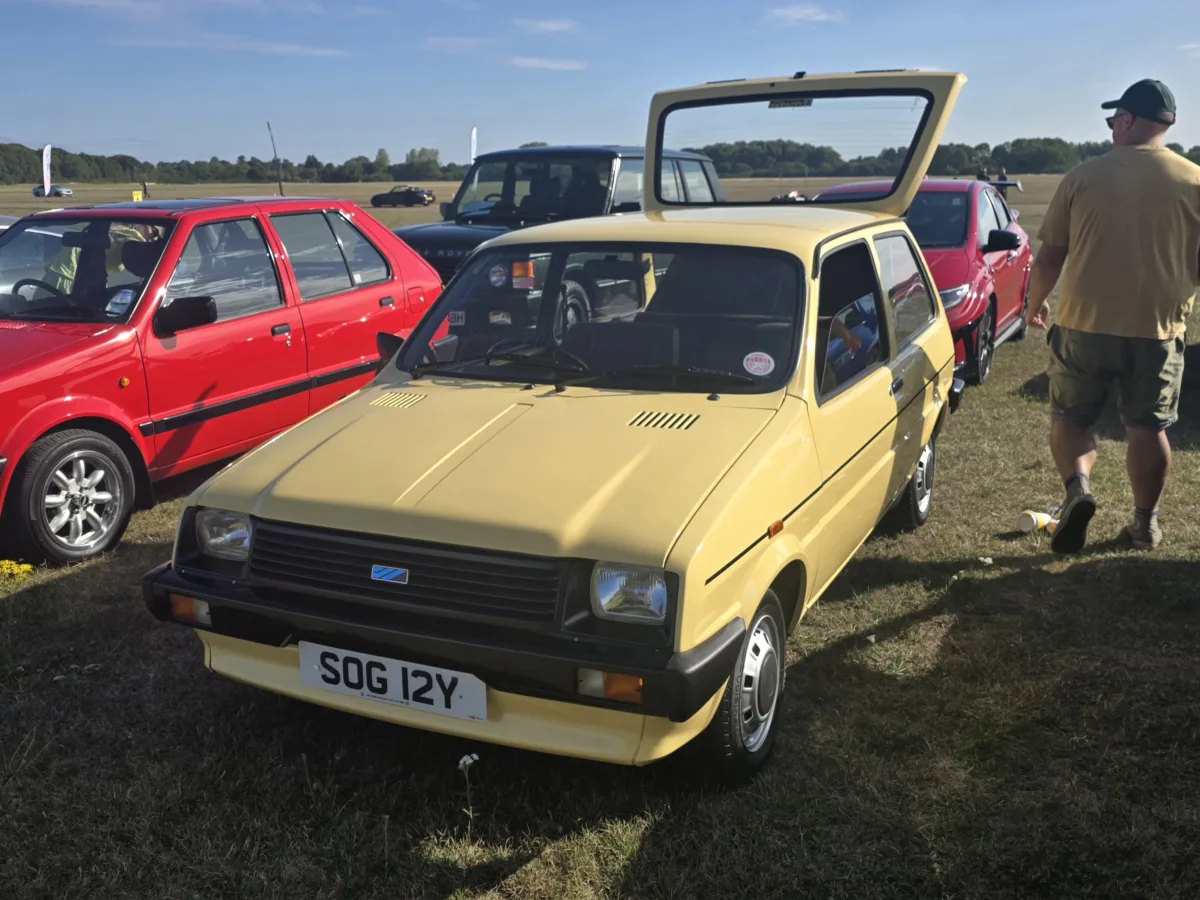
Austin Metro: Features, Engines, and What to Know When Buying
Austin Metro — a small British hatchback introduced in 1980 and produced until 1990 (after which it was renamed the Rover Metro). In this article, we'll explore its features, engines, and things to check before buying.






Metro in brief
The Austin Metro was a small, practical hatchback that emerged as Britain's answer to compact city cars. It stood out with its compact body and 'Hydragas' suspension.
Beyond the standard versions, there were sportier ones, including the MG Metro and turbo variants.
Which version to choose
The Metro was produced in one main generation with updates. Later, it was renamed the Rover Metro, but the original era is now valued as a classic.
Most importantly — minimal rust and a clear service history.
Engines and transmissions
The Austin Metro featured A-series petrol engines, typically around 1.0L and 1.3L in capacity. The sportier MG versions had more powerful engines, with some featuring a turbocharger.
The transmission was usually manual, sometimes automatic.
What to check when buying a used Metro
Inspect the body for rust, especially the sills, wheel arches, and front end — these are the main issues for a car of this age.
Check the 'Hydragas' suspension — over time, it can lose pressure and the car can sag. Also, check the engine's operation and oil leaks.
Parts for this model are no longer made, but there are clubs and specialists who know this model inside out.


Trims
Names and equipment vary by market and year; we list the most commonly found versions in Europe.
Metro City
1980–1990The base model.
- Often a 1.0-litre engine
- Basic interior trim
- Standard equipment
Metro Vanden Plas
1980–1990The mid-range model.
- More luxurious interior trim
- Often — additional comfort features
- Often a 1.3-litre engine
MG Metro
1982–1990The sportier model.
- More powerful 1.3-litre engine
- Sportier styling and suspension
- Some versions come with a turbocharger
Comparing versions
| City | Vanden Plas | MG Metro | |
|---|---|---|---|
| Who it's for | For everyday city driving | For more comfortable driving | For sportier driving |
| Engine (most common) | Around 1.0-litre | Around 1.3-litre | Around 1.3-litre |
| Price in the used market (relatively) | € | € | €€ |
Most buyers will be happy with the base version, but the MG Metro is for enthusiasts. In any case, condition and a thorough history are key.
Pros
- Small and practical in the city
- Simple and well-known technology
- Low price
- Rare old model
Cons
- Rust
- Issues with „Hydragas“ suspension
- Finding parts can take time
Frequently asked questions
What engines did the Austin Metro have?
Mostly A-series petrol engines, around 1.0 and 1.3 litres.
What is „Hydragas“?
It's a hydropneumatic suspension used in the Metro; over time it can lose pressure.
What is the MG Metro?
A sportier Metro variant with a more powerful engine.
Updated 2026-10-19 · Trim levels and equipment vary by market and model year — check the equipment of the specific car. · Translated automatically


