 English
 Lietuvių
 Latviešu
 Eesti
 Polski
 Русский
 Українська
 Deutsch
 Nederlands
 Čeština
 Slovenčina
 Svenska
 Norsk
 Dansk
 Suomi


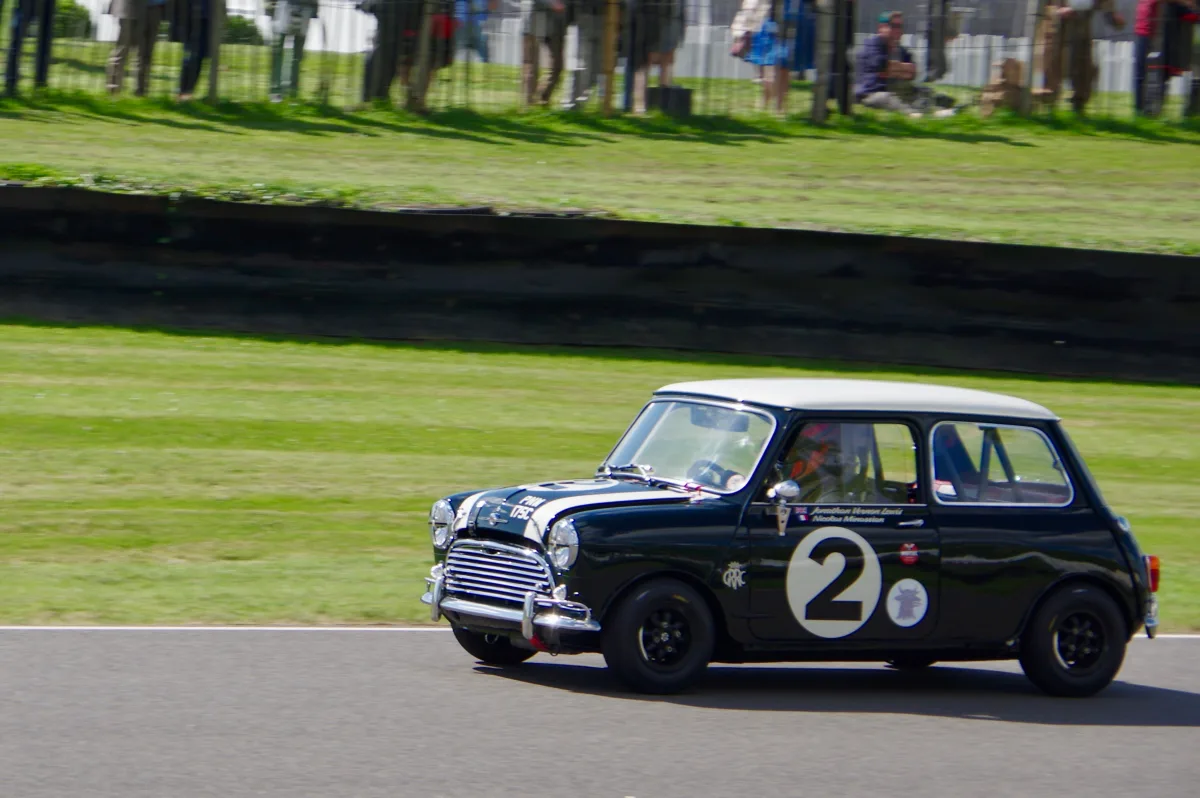
Austin Mini: the classic Mini, generations, engine and what to know before buying
Austin Mini — the legendary British small car, produced from 1959 to 2000. We look at the generations, engines, and what to check when buying a classic Mini.






Mini in brief
The Mini was designed as a small, economical, and spacious car. Its standout feature is the transversely mounted engine and front-wheel drive, meaning plenty of room inside despite its tiny footprint.
Today, the classic Mini is a beloved car among collectors and enthusiasts. It's prized for its fun driving dynamics, simple mechanics, and large community.
Which generation to choose
Over nearly four decades, the Mini evolved gradually. Early cars (Mk I) had a simpler appearance and smaller engines, while later models offered more comfort and better equipment.
Popular generations include the Cooper and Cooper S, which are more powerful and sporty. In its final production years, the Mini received fuel injection and more safety features, making these cars more comfortable for daily use.
Engines and gearboxes
Mini engines were A-series petrol units, ranging from around 850 to 1275 cm³. Power output is modest, but the car is incredibly light, making it lively to drive.
The gearbox is usually a 4-speed manual, with an automatic option available in some versions. The gearbox and engine share a common oil system, so oil maintenance is crucial.
What to check when buying a classic Mini
The key thing to look out for is rust. Rust around the wheel arches, front sills, rear frame, and wings is a common issue. Also, check for any shoddy repairs.
Inspect the engine, oil leaks, gearbox, brakes, and suspension. Parts are widely available, as there are many specialist suppliers and a large community.


Trim levels
Versions by engine and purpose; years are approximate.
Mini 850
1959–around 1970The base early version with the smallest engine.
- Around 850 cm³ engine
- Simple styling
- Collector's value
Mini 1000
Later yearsThe most practical daily driver version.
- Around 1000 cm³ engine
- Often comes with basic trim
- Wide range of parts available
Cooper
Various yearsThe sportier version.
- More powerful engine
- Often — a sportier look
- Popular collector's version
Cooper S
Later yearsThe sportiest version.
- Most powerful engine
- Often — a sportier car
- High collector's value
Comparison of versions
| Mini 1000 | Cooper | Cooper S | |
|---|---|---|---|
| Who it's for | For daily drivers and classic enthusiasts | For sportier driving | For collectors and enthusiasts |
| Engine | Up to around 1000 cm³ | Up to 1275 cm³ | More powerful, up to 1275 cm³ |
| Character | More refined | More lively | The sportiest |
| Price in the used market (relatively) | Mid-range | Mid-range | High-end |
Most buyers will find the Mini 1000 the most practical. Stick to well-checked examples for the Cooper and Cooper S.
Pros
- Fun and lively driving
- Simple technology and easy maintenance
- Wide parts availability and a large community
- Classic, recognizable design
Cons
- Corrosion — the main issue
- Small boot and cramped interior
- Lacking in safety features
Frequently asked questions
Is the Austin Mini the same as the Mini?
Yes, it's the same classic Mini, sold in its early years with Austin and Morris badges.
Which Mini version is the best?
For daily driving, the humble Mini 1000 is often the pick, while enthusiasts go for the Cooper and Cooper S. The condition of the specific car is key.
Is the classic Mini suitable for daily driving?
It can be, especially the later models with fuel injection, but due to its age, it requires constant upkeep.
Updated 2026-10-19 · Trim levels and equipment vary by market and model year — check the equipment of the specific car. · Translated automatically


