 English
 Lietuvių
 Latviešu
 Eesti
 Polski
 Русский
 Українська
 Deutsch
 Nederlands
 Čeština
 Slovenčina
 Svenska
 Norsk
 Dansk
 Suomi


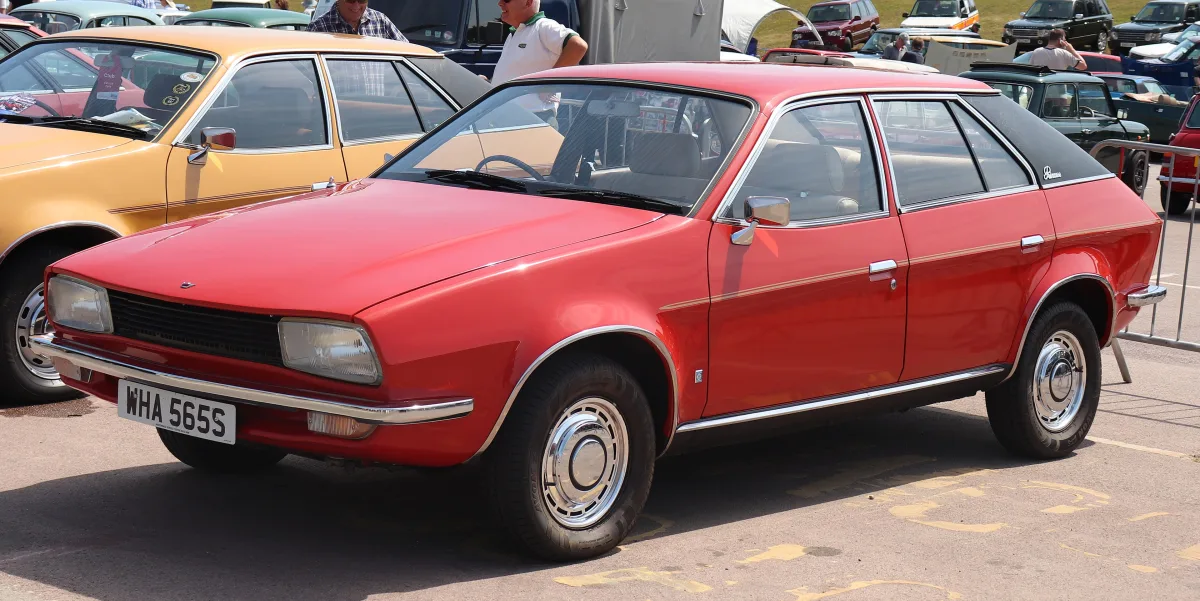
Austin Princess (1975–1981): hatchback with a distinctive shape, engines and what to know
The Princess — a large British family car introduced in 1975 with a unique hatchback design, replacing the 1800/2200 series. We look at what makes it special, which engines were offered, and what you need to know if this classic car catches your eye.






Princess in brief
From September 1975, the Princess name was given to mass-produced family cars previously sold as Austin, Morris, and Wolseley 1800/2200. It's a five-door hatchback with a distinctive shape.
The car was known for its spacious interior, comfortable suspension, and unusual, bold styling. Due to its unique features for the time, it's now a rare classic.
Versions — what sets them apart
The first generation was offered with 1.8-litre four-cylinder and 2.2-litre six-cylinder engines (1800 and 2200). Trim levels varied in terms of equipment: for example, HL and HLS versions were more luxurious.
In 1978, the updated Princess 2 arrived with new 1.7-litre and 2.0-litre engines, while the 2.2-litre six-cylinder engine remained. Production ended in 1981, and it was replaced by the Austin Ambassador in 1982.
Engines and gearboxes
The 1.8-litre and 2.2-litre engines were used in the first generation, while the Princess 2 featured 1.7-litre and 2.0-litre O-series engines. Exact power figures vary depending on the version and year.
Gearboxes — manual or automatic. The car had front-wheel drive and a Hydragas suspension.
It's simple, but neglected engines can quickly wear out. It's important to check the cooling system and oil leaks.
What to check when buying a Princess
The main thing to look out for is corrosion. Inspect the sills, wheel arches, floor, rear edge, and suspension mounting points. British cars from this era often suffer from corrosion.
Check the condition of the Hydragas suspension: the car should not be sagging, and the suspension should operate smoothly. Check the engine, cooling system, gearbox, and electrical equipment.
The choice of parts is limited, but clubs and specialist suppliers can help. Before buying, check the documents and the car's history.


Trim levels
Classic cars don't have a single trim level system, so we describe the versions by production period and body style.
1800 / 2200
1975–1978The first generation with a 1.8-litre or 2.2-litre engine.
- A 1.8-litre four-cylinder or 2.2-litre six-cylinder engine
- Hydragas suspension
- Five-door hatchback
HL
1975–1981A better-equipped version.
- Often comes with a higher-quality interior.
- More comfort equipment
- More luxurious than the base
HLS
1975–1981The top-of-the-range trim
- Often — the most equipment
- More luxurious interior
- Often — extra equipment
Princess 2
1978–1981 model yearsRefreshed version with new engines
- 1.7 l and 2.0 l O series engines
- Redesigned front end
- It was replaced by the Austin Ambassador
Comparing the versions
| 1800 / 2200 | HLS | Princess 2 | |
|---|---|---|---|
| Who it's for | For first-generation enthusiasts | For comfort | Later version |
| Engine | 1.8 l or 2.2 l | By version | 1.7 l or 2.0 l |
| Suspension | Hydragas | Hydragas | Hydragas |
| Price in the used market (relatively) | Budget | Mid-range | Budget |
Most classic car enthusiasts will appreciate a well-maintained car with a working suspension. The key is the condition of the body and its history.
Pros
- Unusual, recognizable wedge-shaped design
- Spacious interior and comfortable driving
- Hydragas suspension
- Rare classic car
Cons
- Rust and the quirks of old British cars
- Limited parts availability
- Few examples in Lithuania
Frequently asked questions
When did the Princess arrive?
From September 1975, the Princess name was given to the Leyland 1800/2200 family of cars.
What sets the Princess apart from the Princess 2?
The Princess 2 (from 1978) received a refreshed front end and new 1.7-litre and 2.0-litre engines.
What replaced it?
In 1982, the Princess was succeeded by the Austin Ambassador.
Updated 2026-10-21 · Trim levels and equipment vary by market and model year — check the equipment of the specific car. · Translated automatically


