 English
 Lietuvių
 Latviešu
 Eesti
 Polski
 Русский
 Українська
 Deutsch
 Nederlands
 Čeština
 Slovenčina
 Svenska
 Norsk
 Dansk
 Suomi


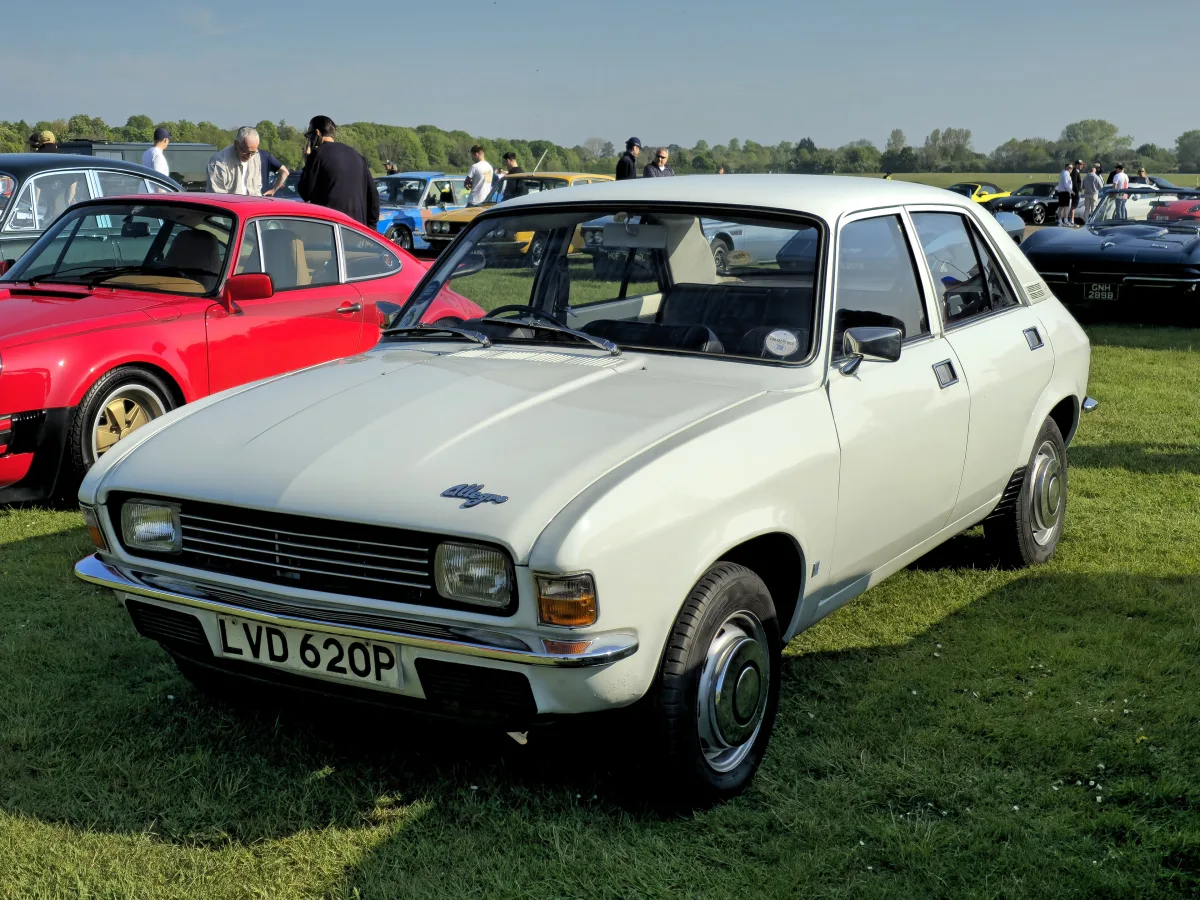
Austin Allegro: generations, engines and what to check
Austin Allegro — the British compact car produced from 1973 to 1983. In this article, we look at the Allegro generations, engines, and what you need to know if you're after this classic model.






Allegro in brief
The Allegro was Austin's compact model with front-wheel drive and a transversely mounted engine. It was offered as a saloon, hatchback, and estate (Estate), with earlier versions featuring the unusual four-sided 'Quartic' steering wheel.
Today, the Allegro is valued as a unique representative of British design from its era. Its prices and popularity are largely tied to collector interest rather than practicality.
Which generation to choose
Over its decade-long run, the Allegro was updated several times — the Mk1, Mk2, and Mk3 versions are most commonly distinguished. Later cars saw changes to the interior, equipment, and some body details.
When choosing, pay attention to the body condition and history. The Estate version is more practical, while the Vanden Plas stands out with its plusher interior.
Engines and gearboxes
The Allegro was offered with various petrol engines — from smaller 1.0–1.1 L units to larger 1.5–1.7 L ones. Exact specifications vary by generation and year.
Most commonly, you'll find a manual gearbox, although there were automatic versions too. The suspension and gearbox of all older cars are worth a thorough inspection.
What to check when buying a used Allegro
The key thing is rust. British cars from this era often rotted away, so check the sills, wheel arches, front bumper, and boot.
The Allegro used a Hydragas suspension — check if the car hasn't settled and if there are no suspension fluid leaks. Such systems can only be repaired by a specialist.
Look into the paperwork, mileage, and previous repairs. Some cars have been restored, but not always to a high standard.


Trim levels
Names and equipment vary by market and year; we list the versions most commonly found in Europe.
Super / Special
first generationMain versions.
- Basic trim
- Smaller engine
- Focused on economy
DL
entire production runMid-range version.
- Often — better interior trim
- More comfort features
- Wider engine choice
SDL
Later yearsMore comfortable version.
- Often — a bigger engine
- Better interior
- Loved by collectors
HL
Later yearsHigher specification.
- Often — better interior trim
- More comfortable seats
- More exterior details
Vanden Plas
entire production runThe most luxurious version.
- Often — more luxurious interior
- More comfort features
- Rarer and more expensive
Comparison of versions
| Super / Special | SDL | HL | Vanden Plas | |
|---|---|---|---|---|
| Who it suits | For everyday use | For comfortable daily driving | For those who enjoy a higher level of comfort | For collectors |
| Interior | Basic | Better interior | Even more comfortable | The most luxurious |
| Engine | Often smaller | Often larger | Varies by version | Varies by version |
| Price in the used market (relatively) | € | € | €€ | €€ |
The Allegro is more of a collector's item than a practical car. Opt for an unrusted example with a clear history, and the more luxurious versions are for those who appreciate rarer trim.
Pros
- Distinctive British styling
- All body styles available — sedan, hatchback, estate
- Simple construction
- Interesting for classic car enthusiasts
Cons
- Rust is the biggest issue
- Finding parts is tricky
- Outdated technology and comfort
Frequently asked questions
Is the Austin Allegro suitable for daily use?
It's usually a hobby or collector's car. Daily use is challenging due to its age and the difficulty of finding parts.
What is the “Quartic” steering wheel?
It's a square steering wheel used in early Allegro versions. Later versions got a standard round steering wheel.
How does the Allegro differ from other compact cars of its time?
It stands out with its distinctive design, “Hydragas” suspension, and wide range of body styles.
Updated 2026-10-21 · Trim levels and equipment vary by market and model year — check the equipment of the specific car. · Translated automatically


