 English
 Lietuvių
 Latviešu
 Eesti
 Polski
 Русский
 Українська
 Deutsch
 Nederlands
 Čeština
 Slovenčina
 Svenska
 Norsk
 Dansk
 Suomi


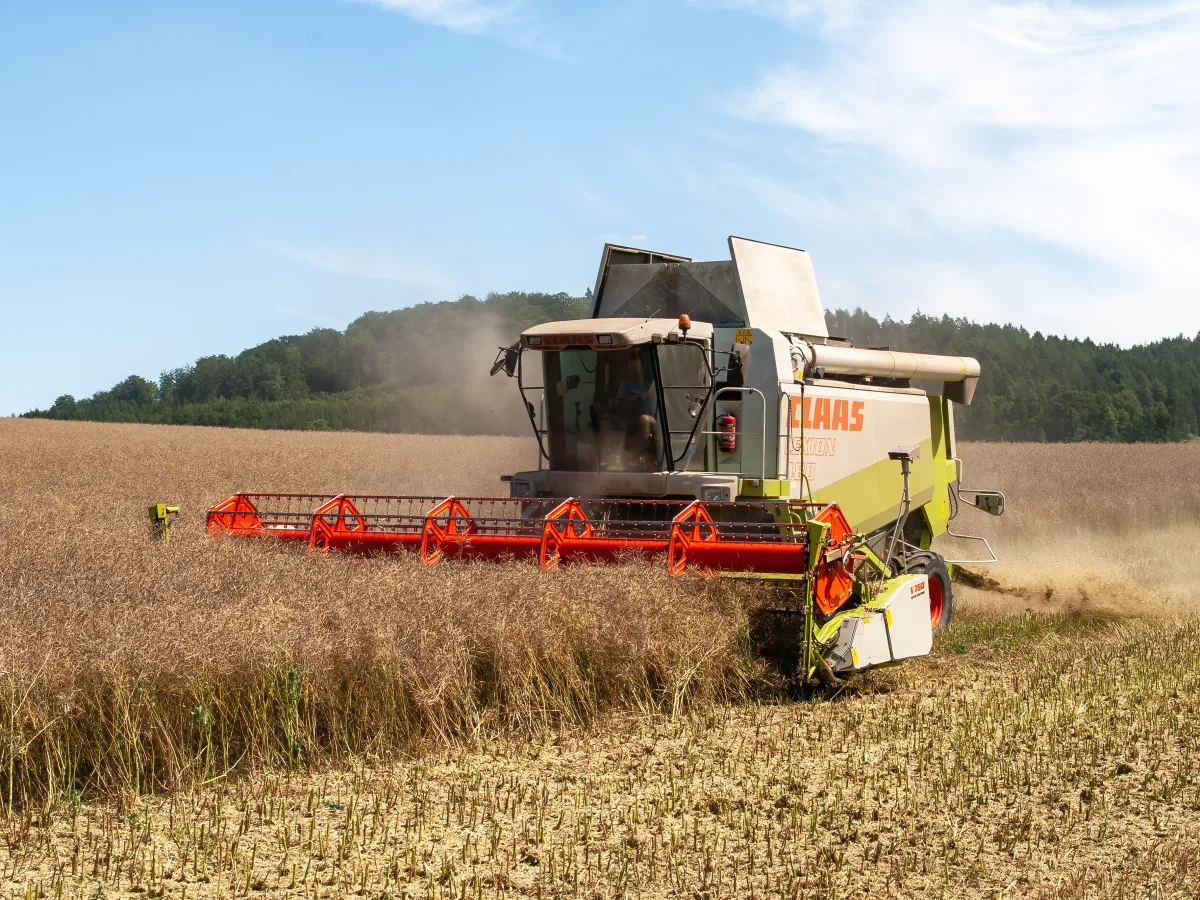
Claas Lexion: combine harvesters, engines and inspection
Claas Lexion — high-performance combine harvesters, produced since 1996. We look at classic and 'Hybrid' models, engines, key components and what to check when buying a used Lexion.






Lexion in brief
Claas Lexion — a series of combine harvesters from the German manufacturer, designed for medium and large farms, as well as service providers. Performance depends on the model and cutting width.
The Lexion is valued for its large capacity, well-developed threshing system and wider service network. It's popular in the used market, but the price greatly depends on the hours and number of seasons.
Series and types
The Lexion is produced in several series, tailored for different-sized farms. There are classic models with straw walkers and 'Hybrid' versions featuring a rotor section.
Some models may come with Terra Trac tracks instead of front wheels, reducing soil compaction. The choice depends on farm size, soil type and crop volume.
Engines and key components
The Lexion is powered by large-displacement six-cylinder diesel engines (often Mercedes-Benz or Caterpillar), meeting various Stage standards. Newer models use SCR technology with AdBlue.
Key components include the header, threshing cylinder and rotor, cleaning system, grain tank and unloading auger. Their wear affects performance and losses.
What to check when buying a used Lexion
First, check the engine and transmission hours, as they're the most important. Inspect the oil and hydraulic levels, engine condition, cooling system, and SCR/AdBlue system.
Examine the transmission and clutch, cleaning brushes, elevators, belts, and chains, the unloading chute, and the baler.


Versions and trims
Names and equipment vary by market and production year; we list the versions most commonly found in Europe.
Lexion klasikinis
from 1996Model with straw chopper.
- Often — straw chopper
- Simpler design
- Lower price in the used market
Lexion Hybrid
later yearsWith a rotor section for greater throughput.
- Rotor section
- Greater throughput
- More complex design
Lexion Terra Trac
depending on the trimWith belts instead of front wheels.
- Belt drives
- Reduced soil compaction
- Check belt wear
Lexion su aukštesne įranga
depending on the trimWith additional technologies.
- Often — GPS steering systems
- Often — enhanced electronics
- Often — yield mapping
Lexion configuration comparison
| Klasikinis | Hybrid | Terra Trac | |
|---|---|---|---|
| Who it's for | For medium-sized farms | For large farms and services | For wet fields |
| Loading system | Straw chopper | Rotor section | Depends on the model |
| Price in the used market (relatively) | Mid-range pricing | High-end pricing | High-end pricing |
For average users, the classic Lexion with a comprehensive history is suitable, while for larger plots, the Hybrid is the way to go. The Terra Trac is worth considering for wet fields.
Pros
- High power output
- Well-developed cooling system
- Wide network of service centers and parts
- Holds its value well
Cons
- High price in the used market
- Complex electronics and high maintenance costs
- Seasonal work — important hour history
Frequently asked questions
How many hours are normal for a used Lexion?
Depends on the model and type of farm work, but most importantly — service history and engine hour count. The number of hours alone doesn't tell the whole story.
What's the difference between the classic Lexion and the Hybrid?
Classic models use traditional straw walkers, while Hybrid versions feature an added rotor section that boosts efficiency.
Is the Lexion suitable for a small farm?
Rarely: it's a high-powered combine harvester, most useful on large plots or for service providers.
Updated 2026-10-21 · Trim levels and equipment vary by market and model year — check the equipment of the specific car. · Translated automatically


