 English
 Lietuvių
 Latviešu
 Eesti
 Polski
 Русский
 Українська
 Deutsch
 Nederlands
 Čeština
 Slovenčina
 Svenska
 Norsk
 Dansk
 Suomi


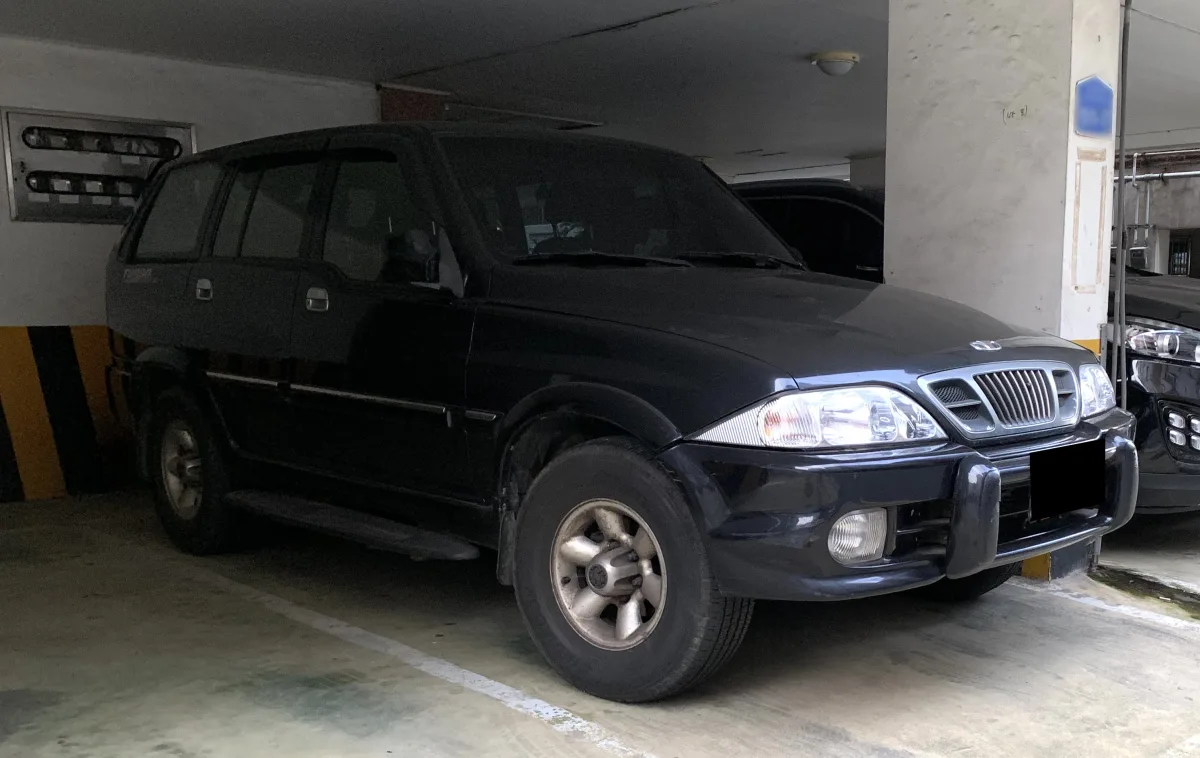
Daewoo Musso: a SUV with Mercedes tech, engines and what to check
Daewoo Musso — a ladder-frame SUV that was sold under the Daewoo badge from 1998 to 2005. In reality, it's the SsangYong Musso, which Daewoo sold after acquiring SsangYong. We'll look at its engines, trims, and what to check when buying.






Daewoo Musso in brief
Musso — a large ladder-frame SUV with a five-door body and four-wheel drive. After Daewoo acquired SsangYong, some Musso models were sold under the Daewoo badge, so these cars are the same model as the SsangYong Musso.
The Musso's standout feature is its Mercedes-Benz-based engines and gearboxes. This provides a robust and reliable technical foundation, but it also requires a skilled mechanic.
Trims and drivetrain
The Musso was offered with four-wheel drive and reduced-range four-wheel drive, while some trims had rear-wheel drive. The body is five-door, with a spacious interior and a large cargo area.
Higher-spec trims came with more comfort features, but the 1990s Korean car interiors and electronics look dated today.
Engines and gearboxes
The Daewoo Musso most often had a 2.3-litre petrol and a 2.9-litre diesel engine, both based on Mercedes-Benz technology. There were other variants in some markets.
The gearbox is manual or automatic. Diesel cars are usually more economical and suit high-mileage drivers, while petrol models are smoother but thirstier.
What to check when buying a used Musso
First, check the frame, suspension, and bodywork — rust is a major issue with older off-roaders. Also, inspect the suspension components and the operation of all-wheel drive.
Check the engine: see if it's smoking, running smoothly, and if there are no oil leaks. In diesel variants, pay attention to the condition of the turbocharger.
Electrical equipment, air conditioning, and interior details often wear out over time. Before buying, check all controls and documents.


Trims
Names and equipment vary by market and year; we list the versions most commonly found in Europe.
2,3 benzinas
Full production runPetrol version.
- Mercedes-Benz technology-based engine
- Smoother ride
- Higher fuel consumption
2,9 dyzelinas
Full production runDiesel version.
- More economical
- Often — turbocharger
- Suitable for high-mileage drivers
Su automatine dėže
Full production runMore comfortable version for city and long-distance use.
- Automatic transmission
- Easier to drive
- Requires maintenance
Comparing versions
| 2,3 benzinas | 2,9 dyzelinas | Su automatu | |
|---|---|---|---|
| Who it's for | For occasional use | For high-mileage drivers | For comfortable driving |
| Engine | 2.3-litre petrol | 2.9-litre diesel | Varies by version |
| Gearbox | Often four-wheel drive | Often four-wheel drive | Often four-wheel drive |
| Price in the used market (relatively) | € | € | € |
Many buyers will be looking for a solid chassis and a well-maintained diesel example. The petrol engine is better for occasional use, while the automatic gearbox is ideal for those prioritising comfort.
Pros
- Robust body-on-frame construction
- Spacious interior and large boot
- Mercedes-Benz-engineered power units
- Simple, no-frills construction
Cons
- Rust on older models
- High fuel consumption
- Basic, outdated interior trim
Frequently asked questions
Is the Daewoo Musso the same as the SsangYong Musso?
Yes, it's the same model. After SsangYong took over, Daewoo sold it under their own badge.
Does the Musso have a Mercedes engine?
Yes, its engines are based on Mercedes-Benz technology.
Is the Musso suitable for tough terrain?
Yes, it's a body-on-frame SUV with four-wheel drive and reduced gearing, but the key thing is the condition of the chassis and suspension.
Updated 2026-10-21 · Trim levels and equipment vary by market and model year — check the equipment of the specific car. · Translated automatically


