 English
 Lietuvių
 Latviešu
 Eesti
 Polski
 Русский
 Українська
 Deutsch
 Nederlands
 Čeština
 Slovenčina
 Svenska
 Norsk
 Dansk
 Suomi


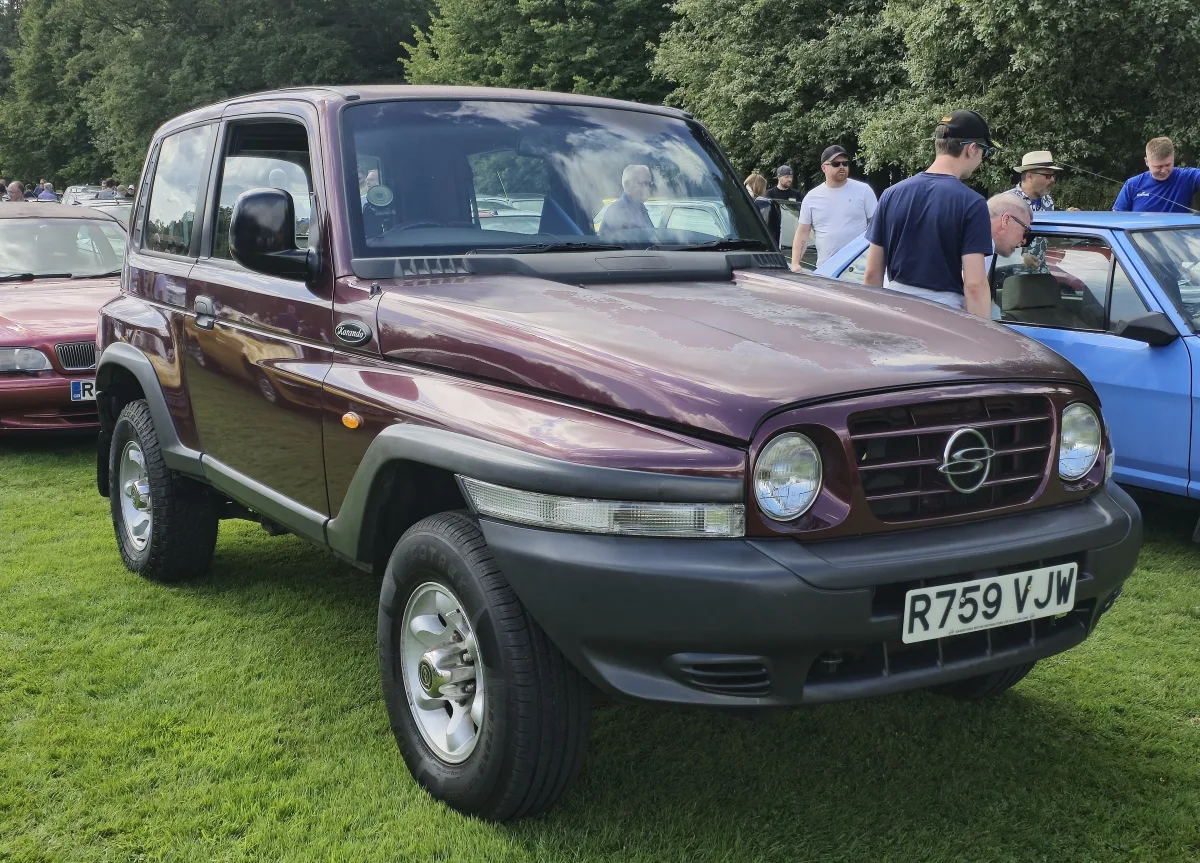
Daewoo Korando (1999–2006): a rugged SUV with Mercedes technology
The Daewoo Korando is a body-on-frame SUV that was sold under the Daewoo badge in the late 1990s and early 2000s. In this article, we'll explore what makes this model unique, the technology it used, and what to check when buying a used example.






Korando in brief
The Korando is a compact SUV with a body-on-frame chassis, rear-wheel drive, and an optional front axle. It's a bit old-school but offers a robust solution, typical of true off-road vehicles.
The car was manufactured in South Korea, and the Daewoo name was used during the period when Daewoo owned this SUV maker. As a result, you might find different badges on the front and rear doors of the same model.
What to know about generations
This Korando has one main generation with minor updates, so it's crucial to assess the condition of the specific example rather than focusing on generational differences. Body styles include removable or fixed roofs, 3-door, and longer variants.
The interior is simple, practical, and fits its price class for the time. You'll often find models with added extras like cargo nets, a rear hook, and factory or aftermarket side steps.
Engines and transmissions
Korando engines were petrol and diesel, with their designs based on Mercedes-Benz licenses—one of the model's key selling points, as this engine technology is well-known to mechanics.
Transmissions — manual or automatic. The most common setup is a front-wheel-drive system with a reduction gear, making the car suitable for off-road adventures.
What to check when buying a used Korando
First, inspect the frame and body panels for rust — it's one of the most common issues with older SUVs. Also, check the suspension mounting points, exhaust system, and the underside of the rear arches.
Test the SUV's gears: the front-wheel drive and reduction gear should engage smoothly without harsh grinding or clunking. Check for oil leaks from the engine, gearbox, and differentials.
For diesel engines, check the turbo and exhaust fume color, and test the electrical system — windows, heating, and air conditioning. Spare parts can sometimes be hard to find, so plan ahead.


Trim levels
Names and equipment vary by market and year; we list the most common versions found in Europe.
Daewoo Korando
1999–2006The sole main version, with different engines, bodies, and equipment.
- Body-on-frame SUV with part-time four-wheel drive
- Often — lightweight alloy wheels
- Often — electric windows and air conditioning
Korando version comparison
| Benzininis | Dyzelinis | Su papildoma bekelės įranga | |
|---|---|---|---|
| Who it's for | Short distances | For longer drives | Country roads, fishing trips |
| Gearbox | Rear-wheel drive, front-wheel drive engagement | Rear-wheel drive, front-wheel drive engagement | Often comes with added protection too |
| Price in the used market (relatively) | € | € | €€ |
The Daewoo Korando is ideal for those needing a simple, sturdy 4x4 on a budget. When buying, opt for the best-condition car with an unrusted chassis.
Pros
- Robust chassis construction
- Front-wheel drive engagement
- Simple, well-known technology
- Plenty of off-road capability in this price bracket
Cons
- Rust can be a serious issue
- Little in the way of modern safety and comfort features
- Some parts may take time to find
Frequently asked questions
Is the Korando a true SUV?
Yes — it has a ladder-frame chassis, a solid front axle, and a reduction gear that allows it to tackle tougher terrain than most city SUVs.
Why are some cars badged Daewoo and others SsangYong?
The manufacturer was the same; the badge depended on the era and the market. The technology is essentially the same.
What should you look at first?
Check the condition of the chassis and body, the 4x4 system's operation, and the engine's condition. The fewer repairs, the better.
Updated 2026-10-19 · Trim levels and equipment vary by market and model year — check the equipment of the specific car. · Translated automatically


