 English
 Lietuvių
 Latviešu
 Eesti
 Polski
 Русский
 Українська
 Deutsch
 Nederlands
 Čeština
 Slovenčina
 Svenska
 Norsk
 Dansk
 Suomi


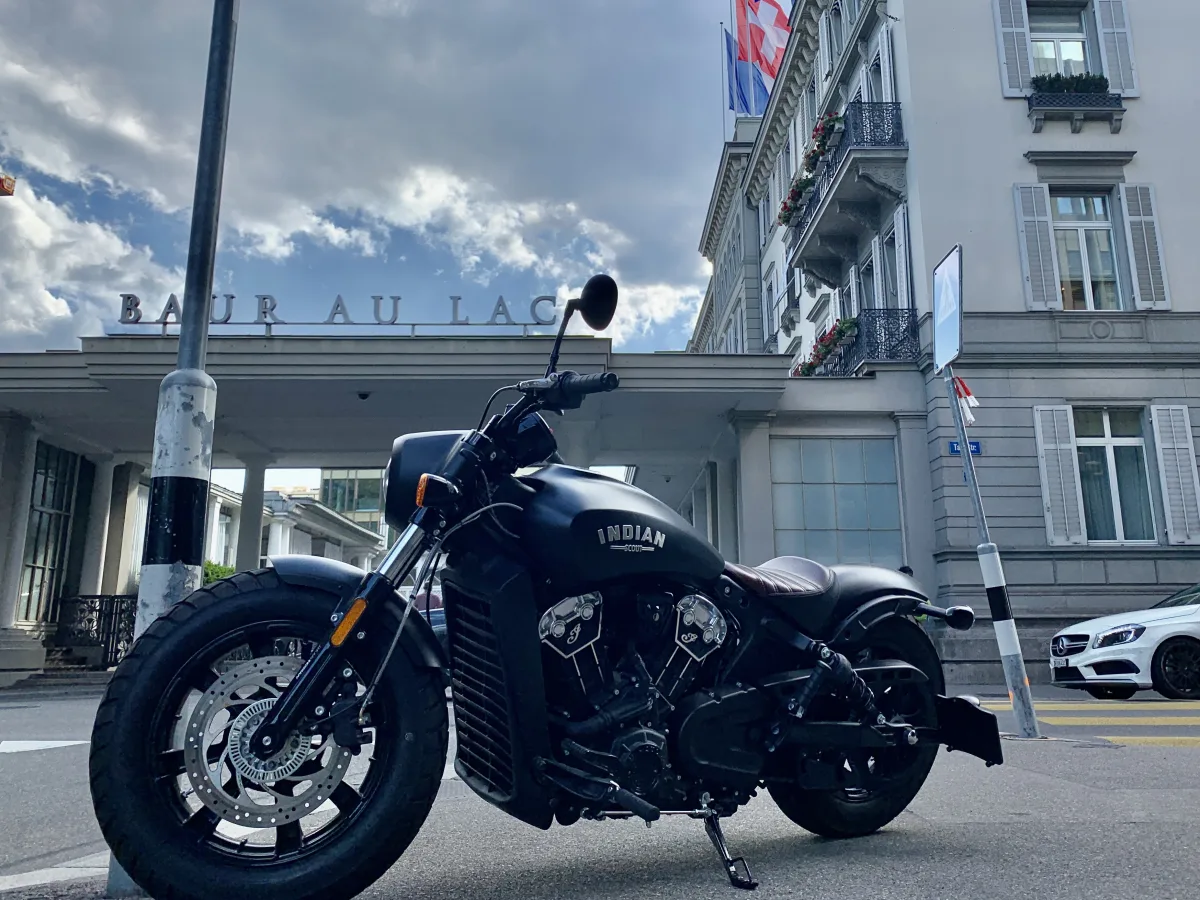
Indian Scout: the modern cruiser family, versions and what to check when buying used
Indian Scout — the cruiser from American motorcycle manufacturer Indian Motorcycle, revived in 2014 with a modern liquid-cooled V-twin engine. We look at how the versions differ, their tech specs and what to check when buying used.






Scout in brief
Scout — a mid-size cruiser that carries on the name of the legendary 1920s model. It combines classic American style with modern solutions: liquid cooling, fuel injection and ABS.
Thanks to its relatively low seat height and smooth acceleration, the Scout is considered one of the most comfortable large cruisers for both novice and experienced riders.
Versions — how they differ
The first modern generation (from 2014) features an approximately 1.1-litre V-twin engine. Later came the smaller Scout Sixty (around 1 litre), the stylish Scout Bobber and other versions — Rogue and Super Scout.
From 2025, a new Scout generation with a larger engine is introduced, so when buying used, it's worth checking which generation you're getting.
Engine and transmission
The first generation's engine is a liquid-cooled V-twin with around 100 hp, while the Scout Sixty has an approximately 1-litre, less powerful unit. Thanks to high torque from low revs, the ride is smooth and steady.
The transmission is a six-speed manual, with power delivered to the rear wheel via a belt. The belt doesn't require lubrication but should be periodically checked.
What to check when buying a used Scout
Check the service history and whether manufacturer recalls have been carried out (if any). Ask when the engine oil was last changed and if the coolant is in good condition. Also, check if the engine runs smoothly without any unusual noise.
Inspect the clutch, tyres, brakes, suspension and rear shock absorbers, as well as the electronics and any signs of rust. Non-standard modifications (exhaust systems, seats) can affect the warranty or handling.


Trim levels
Trim levels and equipment vary by market and year; we list the main variants.
Scout
from 2014Base version with ~1.1 l V-twin engine.
- Low seating position
- Often — ABS
- Classic design
Scout Sixty
from 2016Smaller, lighter version.
- Approximately 1 l engine
- Less power
- Lighter handling
Scout Bobber
from 2018Stylish black version.
- Often — black interior details
- Lower seating position
- Often — no front screen
Compare variants
| Scout | Scout Sixty | Scout Bobber | |
|---|---|---|---|
| Who it's for | The versatile cruiser | Ideal for beginners and relaxed riding | For style and city commuting |
| Engine | ~1.1-litre V-twin, ~100 hp | ~1-litre V-twin | ~1.1-litre V-twin |
| Seat height | Low | Low | Even lower |
| Price in the used market (relatively) | €€€ | €€ | €€€ |
Most buyers will be happy with the standard Scout. For a smoother, lighter ride, go for the Sixty, and style enthusiasts will appreciate the Bobber.
Pros
- Low seat height and comfortable riding position
- Smooth, powerful V-twin engine
- Classic, recognizable design
- Good quality for the price of a cruiser
Cons
- Often expensive in the used market
- Dealer and service network not as extensive
- Less space for luggage and passengers
Frequently asked questions
How does the Scout differ from the Chief?
The Scout is smaller, lighter, and lower than the Chief, while the Chief has a larger engine and a heavier cruiser character.
What category does the Scout fall into?
You'll need a Category A licence for this. Before buying, check the current requirements.
Is the Scout suitable for beginners?
Thanks to its low seating position and smooth acceleration, yes. However, it's still quite heavy, so caution is needed when manoeuvring.
Updated 2026-10-21 · Trim levels and equipment vary by market and model year — check the equipment of the specific car. · Translated automatically


