 English
 Lietuvių
 Latviešu
 Eesti
 Polski
 Русский
 Українська
 Deutsch
 Nederlands
 Čeština
 Slovenčina
 Svenska
 Norsk
 Dansk
 Suomi


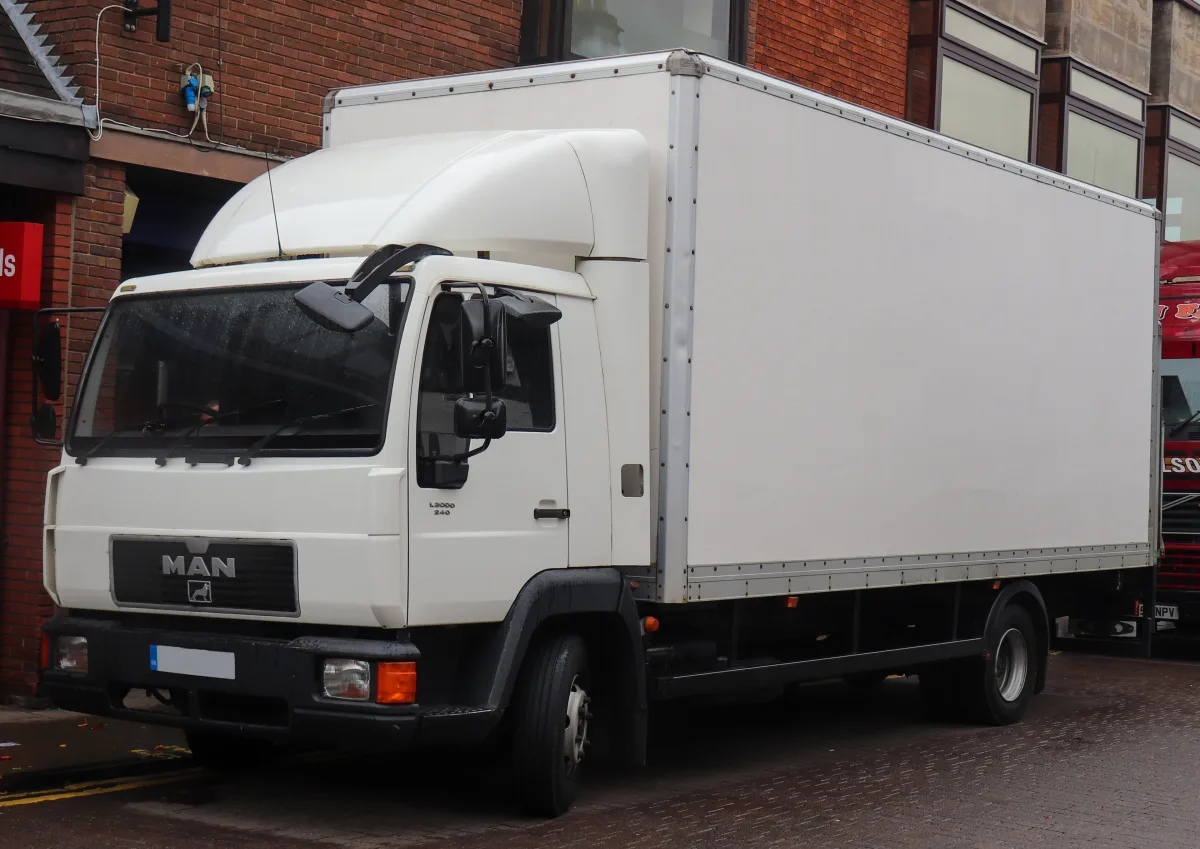
MAN L 2000: generations, engines and what to check
MAN L 2000 — the 1993–2005 range of light trucks designed for urban delivery and distribution. We look at its versions, engines and what to check when buying a used L 2000.






L 2000 in brief
The L 2000 was MAN’s range of light trucks, with a gross weight typically ranging from around 6 to 10 tonnes. Mostly 4x2 trucks with a flatbed, drop-side, van, refrigerated or special body, with some versions featuring all-wheel drive.
The first digits of the model name indicate the gross weight in tonnes, while the number after the decimal point is the approximate horsepower; for example, 8.163 is roughly an 8-tonne truck with a 163hp engine.
Generations — what’s the difference?
The L 2000 family includes several models suited to different loads and tasks: from compact urban delivery trucks to heavier distribution trucks. Lighter versions are more manoeuvrable in narrow streets.
Most L 2000s have already seen plenty of service in distribution and municipal fleets, so the condition of the chassis, body and engine is crucial. Thanks to their simple design, they’re easy to fix.
In 2005, the L 2000 was replaced by the MAN TGL, so all L 2000s are now quite old. Their Euro class is usually Euro 1–Euro 3, so they may not be compliant with modern emissions zones.
Engines and gearboxes
L 2000 engines are turbocharged diesels: four-cylinder units of around 4.6 litres and six-cylinder units of around 6.9 litres. Power ranges from roughly 110 to 220hp, depending on the version.
Gearboxes are usually manual. Test them while driving: the condition of the clutch and synchronizers is particularly important due to frequent stopping and starting in the city.
Engines are considered reliable if they have been properly maintained. Before buying, ask about the oil change history, the condition of the cooling system, and whether the engine has been overheated.
What to check when buying a used L 2000
Firstly, check the frame, cabin mounts, and body attachments. Older trucks often have corrosion at the cabin corners and frame cross-members, and the cabin lift system should operate smoothly.
Start the engine cold and assess the smoke, oil pressure, and noises. Test the clutch, gearbox, and brakes, as distribution vans spend a lot of time in the city.
Evaluate the body separately: check the hydraulic tailgate, refrigerator unit, or other equipment. Check the bed according to the service history, and in the documents, verify the gross weight and permitted category.


Versions
The L 2000 was produced in several versions; we list the most commonly encountered.
L 2000 su furgonu
All productionEnclosed body for transporting goods.
- Often comes with a hydraulic tailgate
- High cab with sunroof
- The condition of the body determines the value.
L 2000 su bortiniu kėbulu
All productionThe most common commercial body.
- Simple construction
- Often — a metal body
- The more affordable option
L 2000 su šaldytuvu
The rarer versionWith a refrigeration unit for transporting goods.
- Refrigeration unit
- Essential for the vehicle's operation
- Often — an insulated body
L 2000 su pakėlimo platforma
A common special versionWith a hydraulic crane or lifting platform.
- Additional hydraulic units
- The condition of the platform determines the value
- Often — a reinforced chassis
L 2000 visų ratų pavara
The rarer versionThe four-wheel-drive version for tougher conditions.
- A higher roof
- Often — municipal or forestry vehicles
- Low-maintenance
Comparing L 2000 versions
| Furgonas | Bortinis | Šaldytuvas | Su platforma | |
|---|---|---|---|---|
| Who it's for | For transporting goods | For distribution | For food products | For high-reach tasks |
| Space | 2–3 | 2–3 | 2–3 | 2–3 |
| Most important to check | Body condition | Bodywork and frame | Air conditioning unit | Hydraulics |
| Price in the used market (relatively) | € | € | €€ | €€ |
For city deliveries, the L 2000 with a tidy chassis, proven engine, and suitable body is often the best choice. Before buying, assess the corrosion and body condition, as these factors determine future costs.
Pros
- Compact dimensions and good manoeuvrability
- Simple, robust construction
- Reliable, enduring engines
- Finding parts and mechanics familiar with MAN isn't difficult
Cons
- Old vehicles often suffer from corrosion and wear
- Euro 1–3 standards restrict operation in low-emission zones
- The condition of the body and additional equipment varies greatly
Frequently asked questions
What do the numbers in the L 2000 name mean?
The first digits indicate the approximate total weight in tonnes, and the number after the dot represents the approximate horsepower. For example, 8.163 means a vehicle of around 8 tonnes with approximately 163 HP.
What category of licence is needed to drive an L 2000?
Most L 2000 models with a total weight exceeding 3.5 tonnes require a C1 or C category licence, and for operating in the freight transport business, professional qualifications are also needed. The exact category depends on the specific vehicle's total weight.
How does the L 2000 differ from the M 2000?
The L 2000 is a lighter series designed for smaller loads, while the M 2000 are mid-range trucks with a higher gross weight. The basic construction is similar, so the parts availability is also comparable.
Updated 2026-10-21 · Trim levels and equipment vary by market and model year — check the equipment of the specific car. · Translated automatically


