 English
 Lietuvių
 Latviešu
 Eesti
 Polski
 Русский
 Українська
 Deutsch
 Nederlands
 Čeština
 Slovenčina
 Svenska
 Norsk
 Dansk
 Suomi


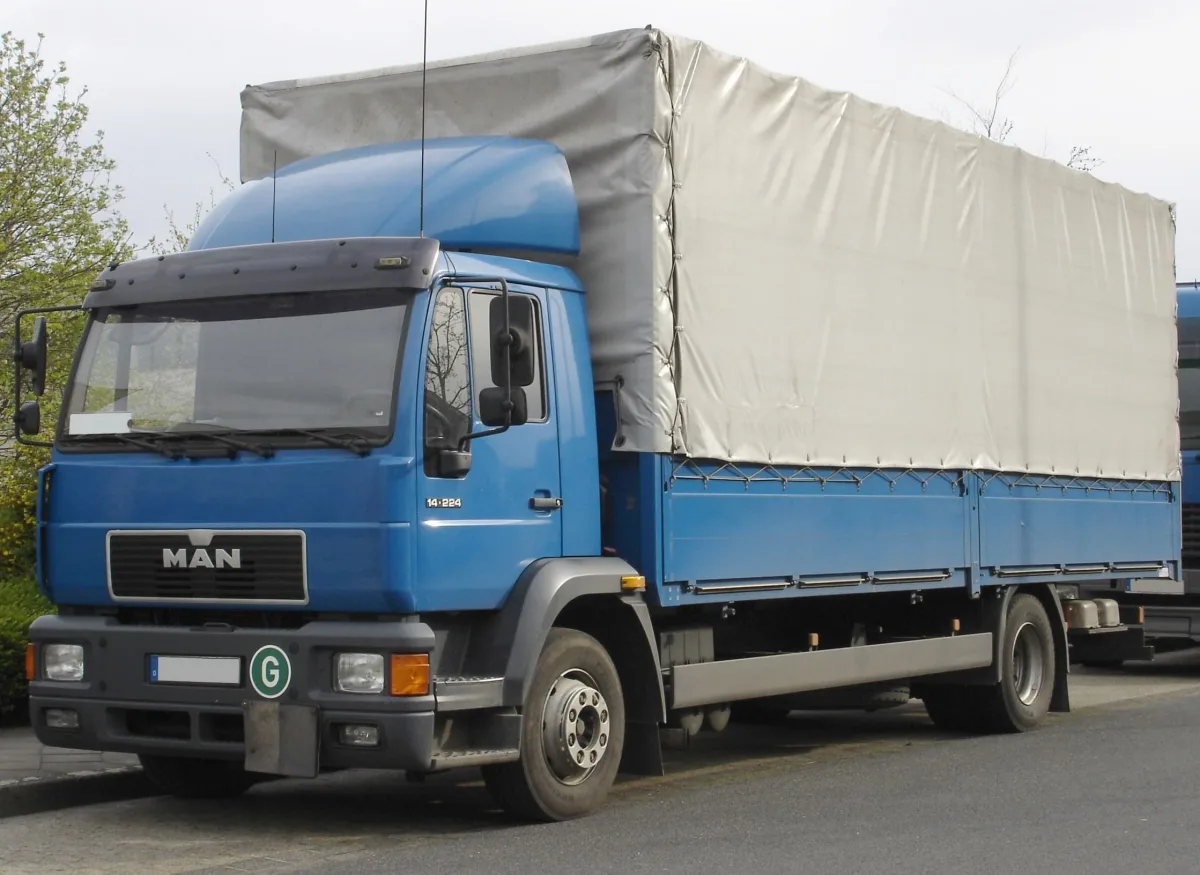
MAN M 2000: generations, engines and what to check
MAN M 2000 — the 1994–2005 medium-duty truck series for distribution, municipal services, and regional runs. We look at its versions, engines, and what to check when buying a used M 2000.






M 2000 in brief
The M 2000 slotted in between the lighter L 2000 and the heavier MAN trucks. Mostly 4x2 rigs, they come with flatbeds, drop-sides, box vans, refrigerated units, tippers, municipal, and fire service bodies.
The first numbers in the model name indicate the gross weight in tonnes, while the numbers after the dot give an approximate horsepower figure; for example, 18.264 is roughly an 18-tonne truck with a 264 HP engine.
Series — what sets them apart
The M 2000 family includes lighter and heavier versions tailored for different loads and tasks. Lighter ones are ideal for urban distribution, while heavier ones are suited for regional runs and heavier cargo.
Most M 2000s have already seen plenty of action in distribution and municipal fleets, so the condition of the chassis, body, and engine is crucial. Thanks to their simple design, they're easy to fix.
In 2005, the M 2000 was replaced by the MAN TGM, so all M 2000s are now aging. Their Euro class is usually Euro 1–Euro 3, so they might not comply with modern emission zones.
Engines and gearboxes
M 2000 engines are turbocharged diesels. Commonly found is the roughly 6.9-litre six-cylinder unit, with power ranging from about 220 to 280 HP; some versions feature different setups.
Gearboxes are usually manual. It's worth test-driving them: the condition of the synchros and clutch is particularly important due to frequent stopping and starting.
Engines are considered reliable if they have been properly maintained. Before buying, ask about the oil change history, the condition of the cooling system, and whether the engine has been overheated.
What to check when buying a used M 2000
First and foremost — the frame and cabin. Older trucks often have corrosion at the cabin corners, seams, and crossmembers of the frame, and the cabin lift system should operate smoothly.
Start the engine cold and assess the smoke, oil pressure, and noises. Check the pneumatic system, brakes, and hydraulic units — the hydraulic tailgate, winch, or crane mechanism.
Check the logbook for entries, and verify in the documents whether the vehicle meets the technical inspection requirements. Ensure that the tachograph is working and has been checked.


Versions
The M 2000 was produced in several versions; we list the most commonly encountered.
M 2000 su užuolaidiniu kėbulu
Entire production runOften chosen for distribution and regional routes.
- Often — high cabin with a sleeper
- Simple cab construction
- The condition of the cab determines the value
M 2000 su furgonu ar šaldytuvu
Entire production runEnclosed cab for transporting goods.
- Often — hydraulic tailgate
- Air conditioning — depending on the version
- Body condition is crucial
M 2000 savivartis
Common build versionSuitable for construction and municipal work
- Hydraulic body lift
- Reinforced chassis
- High-mileage vehicles
M 2000 komunalinė ar gaisrinė
Common special versionMunicipal or fire service use
- Additional equipment
- Often — double cab
- Condition of special equipment is important
M 2000 su pakėlimo platforma ar kranu
Less common versionWith hydraulic crane or lifting platform
- Additional hydraulic units
- Condition of the crane determines value
- Often — reinforced frame
Comparison of M 2000 versions
| Užuolaidinis | Furgonas ar šaldytuvas | Savivartis | Komunalinė | |
|---|---|---|---|---|
| Who it's suitable for | For regional trips | For transporting goods | For construction | For municipal work |
| Space | 2–3 | 2–3 | 2–3 | Often two rows |
| Most important to check | Body and steps | Body condition | Frame and hydraulics | Special features |
| Price in the used market (relatively) | € | €€ | € | €€ |
The best choice for distribution is usually the M 2000 with a tidy chassis, checked engine, and suitable body. Before buying, assess corrosion and body condition, as these factors determine future costs.
Pros
- A simple, sturdy construction
- Reliable, enduring engines
- A wide range of body styles and applications
- Finding parts and mechanics familiar with MAN isn't difficult
Cons
- An old car often means corrosion and wear
- Euro 1–3 standards restrict operation in low-emission zones
- The number of municipal vehicle scrapyards is often high
Frequently asked questions
What do the numbers in the M 2000 name mean?
The first digits indicate the approximate total weight in tonnes, and the number after the dot represents the approximate horsepower. For example, 18.264 means a vehicle of around 18 tonnes and approximately 264 horsepower.
What category of license is required to drive an M 2000?
Most M 2000 models with a gross vehicle weight rating exceeding 7.5 tonnes require a C category licence, and professional qualifications if operating in the goods transport business. The exact category depends on the specific vehicle's gross vehicle weight rating.
How does the M 2000 differ from the L 2000?
The L 2000 is a lighter series designed for smaller loads, while the M 2000 are mid-range trucks with a higher gross vehicle weight rating and more powerful engines. The basic construction is similar, so the parts availability is also comparable.
Updated 2026-10-21 · Trim levels and equipment vary by market and model year — check the equipment of the specific car. · Translated automatically


