 English
 Lietuvių
 Latviešu
 Eesti
 Polski
 Русский
 Українська
 Deutsch
 Nederlands
 Čeština
 Slovenčina
 Svenska
 Norsk
 Dansk
 Suomi


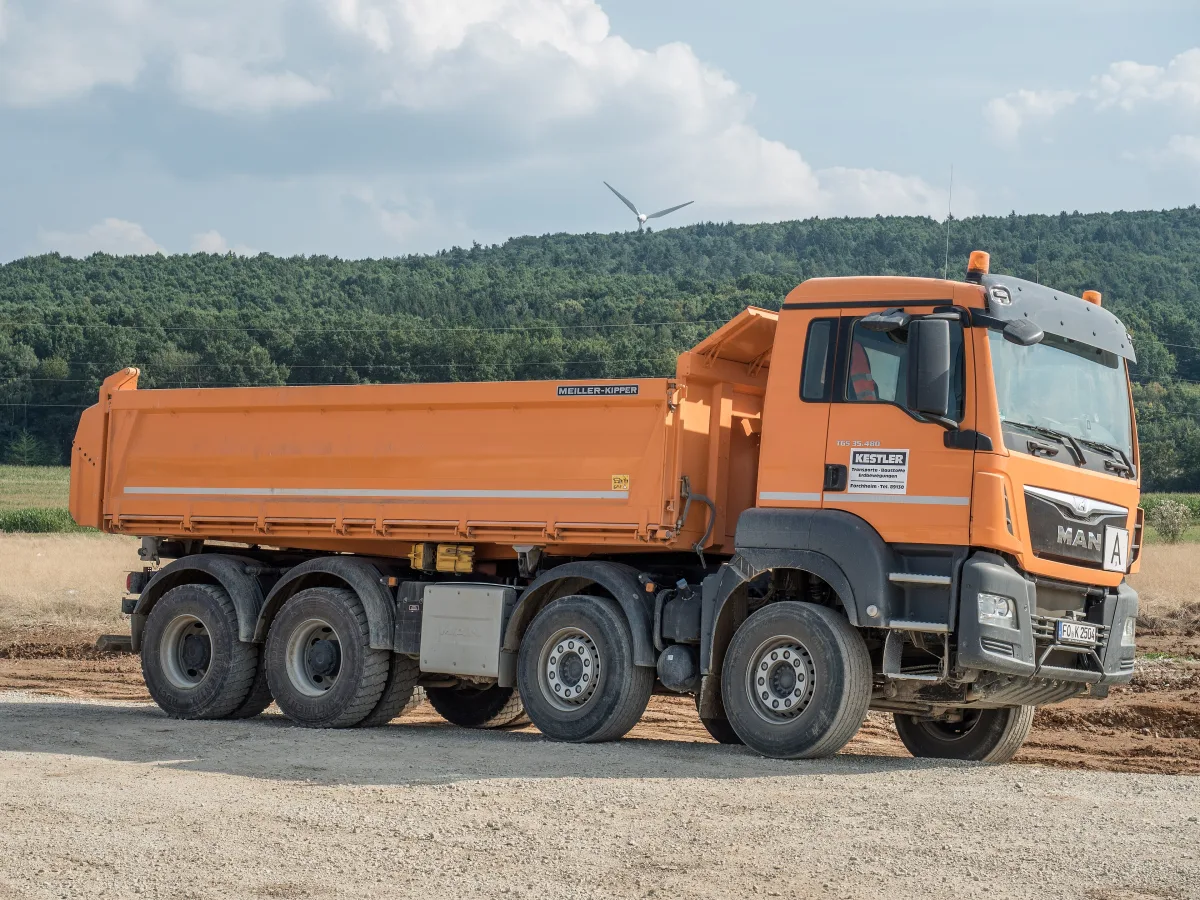
MAN TGS: generations, engines, wheel configurations and cabs
The MAN TGS is a versatile truck for construction, distribution, and specialist equipment, also commonly seen as a tractor unit. We look at what sets apart the first (2007–2020) and new generations, which engines, cabs, and wheel configurations are most popular, and what to check when buying a used TGS.






TGS in brief
The TGS debuted in 2007 alongside the TGX and replaced the TGA in construction and distribution variants. It features a narrower and lower cab than the TGX, making it lighter and easier to mount trailers. The new generation was introduced in 2020 alongside the new TGX.
The TGS is produced with a wide range of wheel configurations—from 4x2 to 8x4, as well as all-wheel drive options (e.g., 4x4, 6x6, or 8x8). In the used market, you'll often find tippers, concrete mixers, cranes, hooklifts, and tractor units. The first number in the name indicates the approximate permissible weight, the second the approximate engine power (e.g., TGS 35.400).
First and new generation—what's the difference
The first-generation TGS is the cheapest and most common in the used market. Euro 5 models are simpler but often heavily used; Euro 6 versions are more economical but have a more complex emissions control system.
The first generation comes with M (short), L (long with sleeper) and LX (long with high roof) cabs. For construction, the M cab is usually chosen, while for tractor units and regional haulage, the L or LX is preferred.
The latest generation of TGS (from 2020 onwards) features a new cabin, a digital instrument cluster, a more ergonomic workspace, and a host of advanced driver-assistance systems. Construction-specific versions continue to be built with a robust steel bumper and higher ground clearance.
Engines and transmissions
In the first generation, you'll most commonly find six-cylinder 10.5-litre D20 (around 320–440 hp) and 12.4-litre D26 (around 400–540 hp) engines. In the new generation, a 9-litre D15 is offered for lighter versions, while the D26 is reserved for heavier models.
Transmissions come as automated MAN TipMatic or manual; manual transmissions have long been popular in construction-specific versions. TipMatic versions designed for construction feature a creep mode to help with manoeuvring on-site.
The TGS's standout feature is the MAN HydroDrive: a hydrostatic front-axle drive that engages when needed. It helps get you out of tight spots on construction sites or forest roads, but it's lighter than a full all-wheel drive. You'll also find differential locks, reduction axles, a power take-off for attachments, and a retarder.
What to check when buying a used TGS
Construction-specific TGS trucks often work in harsh conditions, so the most important things to check are the chassis and running gear: look for cracks, weld points, deformations, and inspect the leaf springs, axles, and their mounts. Check the hydraulic system, cylinders, and power take-off of the crane or other attachment.
Construction and municipal trucks work hard on-site, so engine hours often matter more than mileage. Compare them with service records and tachograph data, and use diagnostic equipment to read out faults and the condition of the clutch.
Test the gearbox, differential locks, and HydroDrive (if fitted) — all systems should engage and disengage without issues. In Euro 6 vehicles, check the AdBlue system and particulate filter, and in the cab, inspect the wear on seats, floors, and steps, as well as any corrosion.


Cab and Trim
The range of cabs and trims varies by year and order; we list the most commonly found in Europe.
M kabina
First generation (2007–2020)Short day cab for construction and distribution.
- No sleeper
- Longer chassis for a tipper
- Often — dump trucks and concrete mixers
L kabina
First generation (2007–2020)Long cab with sleeper and standard roof.
- Sleeper behind the seats
- Often — tractor units and regional trucks
- Standard roof height
LX kabina
First generation (2007–2020)Long cab with high roof — the most spacious in the first-gen TGS.
- High roof and more room for gear
- Often — TGS tractors
- Ideal for longer trips with overnight stays
HydroDrive
Both generationsVersion with engageable hydrostatic front-wheel drive.
- Better traction on construction sites
- Lighter than full-time four-wheel drive
- Often — self-propelled and municipal equipment
Naujosios kartos TGS
from 2020Modern cab and newer engines.
- Digital instrument cluster and more comfortable workspace
- Often — 9L D15 or 12.4L D26 engine
- More driver-assistance systems
TGS versions comparison
| Vilkikas (4x2) | Savivartis (6x4) | Savivartis (8x4) | Su HydroDrive | |
|---|---|---|---|---|
| Who it's for | For heavier loads, construction trailers | For construction and medium-duty hauling | For the heaviest construction work | For off-road work |
| Cab (most common) | L or LX | M or L | M | M or L |
| Engine (most common) | D20 or D26 | D20 or D26 | D26 | D20 or D26 |
| Price in the used market (relatively) | Budget-friendly | Mid-range | High-end | Mid-range |
For construction, the most sensible choice is often a 6x4 or 8x4 rigid truck with a clear history of chassis and undercarriage maintenance. HydroDrive is worth considering if you frequently work off-road, while the TGS tractor unit is suited to heavier loads and construction trailers.
Pros
- A wide range of wheel configurations and axles to choose from
- HydroDrive — better traction without the full weight of all-wheel drive
- A lighter cab means more payload capacity
- The D20 and D26 engines are widely available
Cons
- Construction trucks often come with a lot of wear and tear
- The cab is smaller than the TGX — less comfortable for long hauls
- Repairing Euro 6 emission systems can be expensive
Frequently asked questions
How does the MAN TGS differ from the TGX?
The TGS has a narrower and lower cab, plus more wheel configurations and construction variants, making it ideal for construction, distribution, and specialized equipment. The TGX has a larger cab and is primarily suited for long-distance hauls.
What is MAN HydroDrive?
It's a hydrostatic front-wheel drive system that the driver can engage when needed, such as on a construction site or slippery road. It improves traction but is lighter and simpler than full all-wheel drive, allowing the truck to carry more.
Which TGS wheel configuration is best for a tipper?
You'll often see 6x4 or 8x4: 8x4 can carry more, but it's pricier and heavier. The permissible weight depends on registration and local regulations, so check the gross vehicle weight rating in your documents before buying.
Updated 2026-10-09 · Trim levels and equipment vary by market and model year — check the equipment of the specific car. · Translated automatically


