 English
 Lietuvių
 Latviešu
 Eesti
 Polski
 Русский
 Українська
 Deutsch
 Nederlands
 Čeština
 Slovenčina
 Svenska
 Norsk
 Dansk
 Suomi


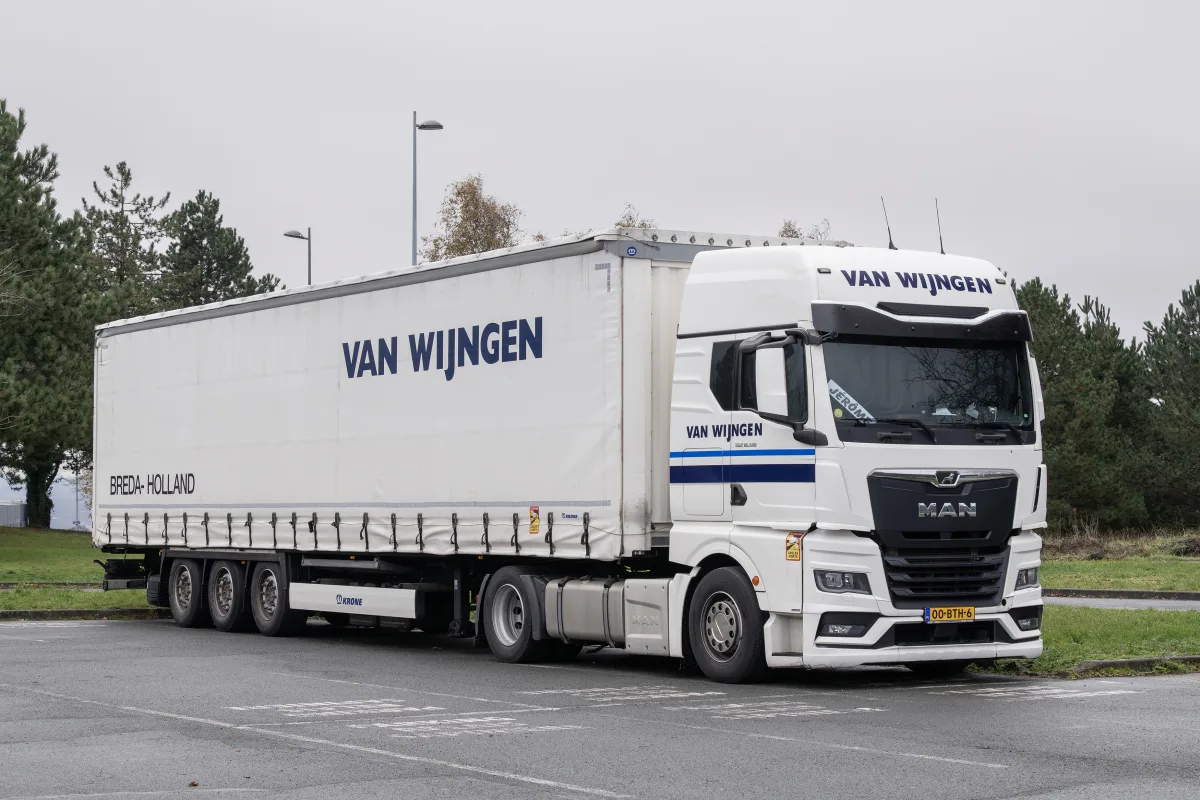
MAN TGX: first and new generations, engines and cabs
MAN TGX — the long-haul tractor unit from the German manufacturer, often seen in Lithuanian fleets and the used truck market. We look at how the first (2007–2020) and new (from 2020) generations differ, which engines and gearboxes are used, what cabs are available, and what to check before buying a used TGX.






TGX in brief
TGX replaced the MAN TGA and, along with the construction and distribution-focused TGS, forms the backbone of MAN's heavy-duty trucks. The first generation was produced from 2007–2020 and underwent several updates (most notably the switch to Euro 6 around 2013–2014), with a completely new generation introduced in 2020.
The model name says a lot: the first number indicates the approximate permissible weight in tonnes, the second the approximate engine power. For example, TGX 18.480 is a two-axle tractor unit with roughly a 480 HP engine, while 26.xxx usually denotes three-axle 6x2 trucks. The letters at the end (e.g., BLS or LLS) indicate the tractor or chassis type and suspension.
First and new generations — what's the difference
The first-generation TGX is more commonly found in the used market. Euro 5 tractors are cheaper and simpler, but often have high mileage. Euro 6 TGX models are more economical, with later tractors featuring improved engines and gearboxes.
In the first generation, you'll find XL, XLX, and the top-tier XXL cabs. All come with a sleeper area and are suitable for long-haul trips, differing mainly in roof height and interior space.
The new generation (from 2020) features a completely new cabin with a digital instrument cluster, a redesigned layout for the controls, and more driver-assistance systems. Cabins are designated by letter codes, with the largest being the GX. These trucks are pricier in the used market but less worn out.
Engines and transmissions
Most commonly found are the six-cylinder 10.5-litre D20 and 12.4-litre D26 engines (around 360–540 hp). The most powerful versions come with the 15.2-litre D38 (around 520–640 hp), and there was also a previously produced V8 engine (TGX 18.680). In the new generation, the D26 engines with around 430–510 hp are the most popular, and for lighter tasks, the 9-litre D15 is also offered.
The transmission is usually the automated MAN TipMatic, based on the ZF transmission; older trucks may have manual transmissions. Common equipment includes a retarder (ZF Intarder, or MAN PriTarder in some newer trucks) and an engine brake EVBec.
Euro 6 TGX models use EGR, a particulate filter, and SCR with AdBlue to clean exhaust gases. Failures in these systems (NOx sensors, AdBlue doser, EGR valve) are one of the more common causes of expensive repairs.
What to check when buying a used TGX
Compare the mileage with the engine hour meter, service records, and tachograph data. Diagnostic equipment at the service centre can read errors in the engine and transmission, as well as wear in the clutch — this helps determine if the mileage and condition match each other.
TipMatic should shift smoothly: hesitation when moving off, gearbox slippage or long pauses when changing gear can indicate a gearbox or control system repair is needed. Check that the retarder and engine brake work, and that there are no oil or coolant leaks.
Inspect the frame, ball joints, air suspension and brakes, and on older models — corrosion points around the windscreen, doors and steps. Ensure the AdBlue system is working and hasn't been disabled or replaced with an emulator.


Cabins and versions
Cabin names and equipment vary by year and order; we list the versions most commonly found in Europe.
XL
First generation (2007–2020)The smallest first-gen TGX cabin with a lower roof.
- Sleeping area behind the seats
- Lower roof than XLX and XXL
- Suitable for regional and international runs
XLX
First generation (2007–2020)The higher-roof cabin — a compromise between space and height.
- Higher roof than XL
- More room for stuff
- Often found in international fleets
XXL
First generation (2007–2020)The tallest-roof and roomiest first-gen cabin.
- You can stand upright in the cabin
- Often — two sleeping berths and a fridge
- The most popular choice for long-haul journeys
Naujoji karta (GX)
from 2020The largest new-generation TGX cab for long-haul journeys
- Digital instrument cluster and new layout of controls
- Often — LED headlights
- More driver-assistance systems
6x2 vilkikas (26.xxx)
Both generationsTri-axle tractor for heavier loads or special trailers
- Additional axle, often raised or driven
- Often — for heavier loads
- Greater weight and operating cost than 4x2
Comparison of TGX cabs
| XL | XLX | XXL | Naujoji karta (GX) | |
|---|---|---|---|---|
| Who it's for | For regional journeys | For international travel | For long-distance travel | Latest technology and comfort |
| Roof | Lower | Mid-range | High | High |
| Engine (most common) | D20 or D26 | D26 | D26, less often D38 | D26, less often D38 |
| Price in the used market (relatively) | € | € | €€ | €€€ |
For long-distance hauliers, the majority of drivers will find the Euro 6 TGX with XXL or XLX cab and D26 engine is the best fit. The new-generation TGX is worth considering when a more modern workspace and reduced wear and tear are top priorities.
Pros
- Widely used D20 and D26 engines, which mechanics are well-acquainted with
- Spacious XXL cab
- Plenty of used options on the market
- New generation means a modern workspace and advanced support systems
Cons
- Many trucks with very high mileage
- Euro 6 emission system repairs are expensive
- New-generation trucks are still pricey on the used market
Frequently asked questions
What do the numbers in the TGX name mean?
The first number indicates the approximate permitted weight in tonnes, the second the approximate engine power in horsepower. For example, TGX 18.510 is a two-axle truck with roughly a 510 HP engine, while 26.xxx usually denotes a three-axle 6x2 vehicle.
Which TGX cab to choose?
If the driver spends several days or weeks in the cab, opt for the XXL or XLX — they offer more space and storage. The XL is better for shorter trips and is slightly lighter.
Is it worth choosing a TGX with a D38 engine?
The D38 is designed for heavy loads and mountainous routes. For standard international hauls, the D26 engine is usually sufficient, and it's more common, so there are more parts and service experience available.
Updated 2026-10-09 · Trim levels and equipment vary by market and model year — check the equipment of the specific car. · Translated automatically


