 English
 Lietuvių
 Latviešu
 Eesti
 Polski
 Русский
 Українська
 Deutsch
 Nederlands
 Čeština
 Slovenčina
 Svenska
 Norsk
 Dansk
 Suomi


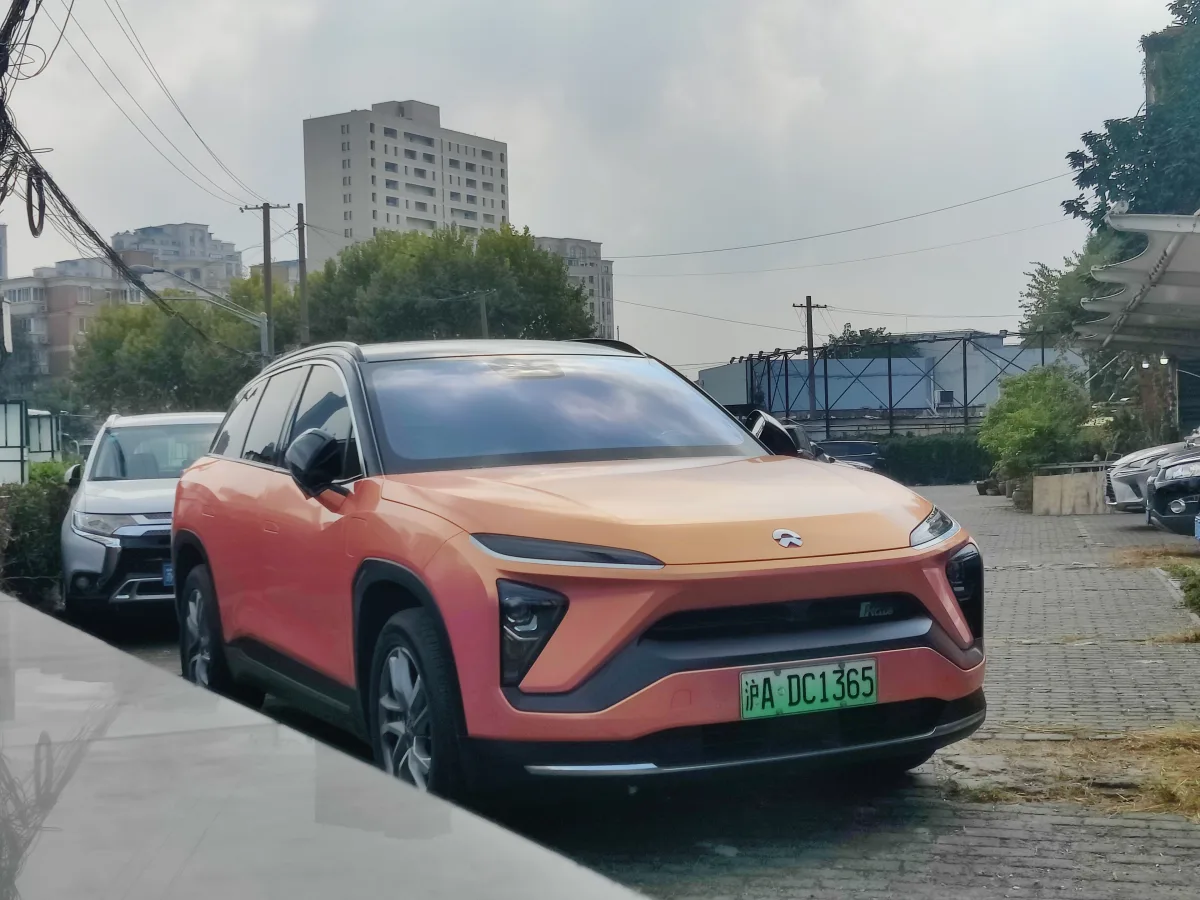
NIO ES6: electric SUV, battery and what to check when buying
NIO ES6 — the Chinese manufacturer NIO's five-seater electric SUV, introduced in China in 2018, with a newer generation launched in 2023. We look at the generations, batteries, power, and what to check before buying a used car.






ES6 in brief
The ES6 is a mid-sized electric SUV with two electric motors and all-wheel drive. It's smaller than the ES8 but offers plenty of comfort, great tech, and ample power.
The car also stands out with the ability to swap batteries at special NIO stations, not just charge them. It's a rare model in Lithuania, so you'll often find individual imported cars.
Which generation to choose
The first generation (from 2018) was updated, receiving larger batteries and improved equipment in some markets. It's a simpler and more affordable option in the used market.
The newer generation (from 2023) features a more modern design, newer software, and more driver-assistance systems. In some markets, the newer generation is sold under a different name.
Battery and driving
The first-generation ES6 has two electric motors (one per axle) and around 540 hp of combined power. Various battery sizes are offered — from around 70 to 100 kWh.
A larger battery provides a longer range, but the actual range in winter or on the motorway will be less than the manufacturer's stated figure. Always check the specific details for the car's version.
What to check when buying a used ES6
The most important thing is the battery's condition and warranty. Ask for a battery diagnostic report and find out if the battery belongs to the car or is leased (NIO offers battery leasing in some markets).
Check if the driver assistance systems work, if the software is up to date, and if all charging modes function. Test the suspension and brakes.
For an import from China, make sure it meets European standards, check how the language and software work, and where you can get parts and service.


Trim levels
Version names vary by market and year; we list versions by battery size.
ES6 70 kWh
First generation, 2018–2019The first version with a smaller battery.
- Around a 70 kWh battery
- Two electric motors
- All-wheel drive
ES6 100 kWh
First generation, from 2019Version with a larger battery.
- Around a 100 kWh battery
- Two electric motors
- Often comes with more equipment
ES6 (naujoji karta)
Second generation, from 2023Updated generation with more modern equipment.
- Newer software
- Often — more safety systems
- Often — a more modern interior
Comparing versions
| 70 kWh | 100 kWh | II karta | |
|---|---|---|---|
| Who it's for | For city and suburban driving | For longer distances | For newer equipment |
| Alloy wheels (usually) | 19–20 inch | 20 inch | 19–20 inch |
| Gearbox | Full | Full | Full |
| Engine | Two electric motors | Two electric motors | Two electric motors |
| Price in the used market (relatively) | Mid-range | High-end | Premium |
For most buyers, the first-gen 100 kWh version is the best bet for range and price. The newer generation is worth considering if you prioritise more modern features.
Pros
- Plenty of power and full four-wheel drive
- Luxurious, tech-packed interior
- Option to swap batteries at NIO stations
- Quite spacious and practical five-seater
Cons
- Rare in Lithuania, limited service network
- Battery condition is the main risk
- Availability of parts and software updates
Frequently asked questions
How does the ES6 differ from the ES8?
The ES6 is smaller and a five-seater, while the ES8 is larger, with six or seven seats.
Is the ES6 available in Lithuania?
Check with the seller for availability and servicing options — privately imported cars are most commonly found in Lithuania.
How many miles does the ES6 cover?
Range depends on battery size, weather conditions, and driving style. Check specific details for the particular car.
Updated 2026-10-21 · Trim levels and equipment vary by market and model year — check the equipment of the specific car. · Translated automatically


