 English
 Lietuvių
 Latviešu
 Eesti
 Polski
 Русский
 Українська
 Deutsch
 Nederlands
 Čeština
 Slovenčina
 Svenska
 Norsk
 Dansk
 Suomi


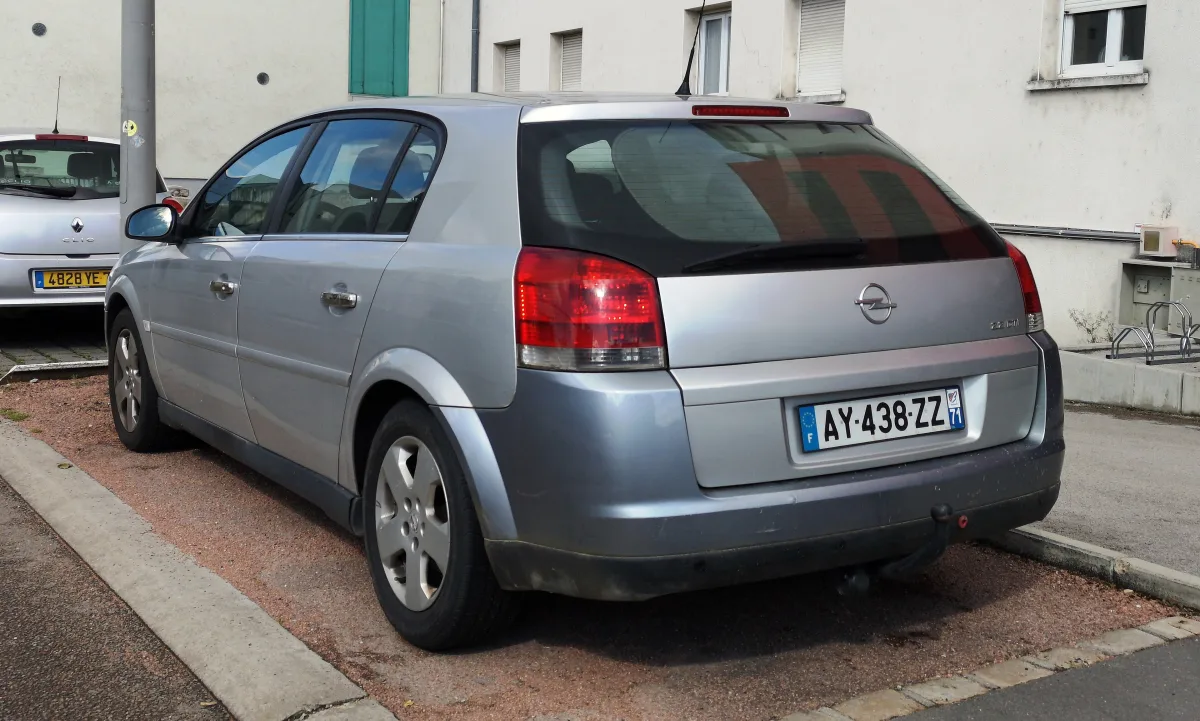
Opel Signum: a spacious mid-size car, engines and trims
Opel Signum — a mid-size five-door car, produced from 2003 to 2008 on the Vectra C platform. We look at how it differs from the Vectra, which engines are offered and what to check before buying a used Signum.






Signum in brief
The Signum was created as a spacious and comfortable alternative to the Vectra: it has a longer wheelbase and significantly more room for rear passengers. The body is a mix of a five-door hatchback and an estate.
One of the standout features of the Signum is its flexible interior with adjustable rear seats. This makes the car practical for families.
Facelifts and versions
Around 2005, the Signum received a facelift: the front and interior were revised. Before buying, determine which version is being offered.
In the used market, diesel models are most commonly found, as most buyers opted for economy.
Engines and transmissions
Petrol engines include the 1.8 (around 122 hp), 2.2 (around 155 hp), 2.0 turbo (around 175 hp) and 3.2 V6 (around 211 hp). Diesels are the 1.9 CDTI (around 120–150 hp) and 3.0 V6 CDTI.
Transmissions come as manual, automatic or the robotised Easytronic. Most buyers choose the 1.9 CDTI for its economy.
What to check when buying a used Signum
In diesel versions, check the turbo, injectors, EGR valve and diesel particulate filter (if fitted). In petrol engines, check the timing chain change history for the specific engine.
Test the gearbox — especially the automatic and robotized Easytronic. Check the suspension, steering and brakes.
Check the electronics, air conditioning and body for corrosion. Ask for the service history and find out if the car has been in any accidents.


Trim levels
Names and equipment vary by market and year; we list the most common trims found in Europe.
Essentia
2003–2008 model yearsBase trim with standard equipment.
- Often — air conditioning
- Often — steel or alloy wheels
- Simpler interior trim
Elegance
2003–2008 model yearsMid-range trim with more comfort features.
- Often — climate control
- Often — alloy wheels
- Often — additional comfort equipment
Cosmo
2003–2008 model yearsTop trim with more luxurious interior.
- Often — leather upholstery
- Often — a better sound system
- Often — larger wheels
Sport
2003–2008 model yearsSportier looks and handling
- Often — a sporty suspension
- Often — sport seats
- Often — sporty wheels
Engine comparison
| 1.8 / 2.2 benzinas | 1.9 CDTI | 3.0 V6 CDTI | |
|---|---|---|---|
| Who it's for | For occasional use | For economical driving | For spirited driving |
| Power | Around 122–155 hp | Around 120–150 hp | The most powerful of the diesels |
| Fuel consumption | Higher | Lowest | Average |
| Maintenance | Simpler | Average | More expensive |
| Price in the used market (relatively) | € | € | €€ |
For most buyers, the best choice is the 1.9 CDTI with Elegance or Cosmo trim. V6 versions are for those who prioritise power and are prepared for higher maintenance costs.
Pros
- Spacious interior and flexible seating arrangement
- Comfortable driving on long journeys
- Shared platform with Vectra — plenty of shared parts
- Usually readily available on the used market
Cons
- The used market selection is smaller than the Vectra's
- Diesel engine systems can be expensive to maintain
- The Easytronic automated gearbox can be troublesome
Frequently asked questions
How does the Signum differ from the Vectra?
The Signum offers a longer wheelbase and more space for rear passengers. Its body is a mix of hatchback and estate, and the interior is more spacious.
Which Signum engine should you choose?
Most buyers will be happy with the 1.9 CDTI for its economy. If you want more power, consider the 2.0 turbo or V6.
Does the Signum share parts with the Vectra?
Yes, it's built on the Vectra C platform, so many of the running gear and other parts are shared.
Updated 2026-10-19 · Trim levels and equipment vary by market and model year — check the equipment of the specific car. · Translated automatically


