 English
 Lietuvių
 Latviešu
 Eesti
 Polski
 Русский
 Українська
 Deutsch
 Nederlands
 Čeština
 Slovenčina
 Svenska
 Norsk
 Dansk
 Suomi


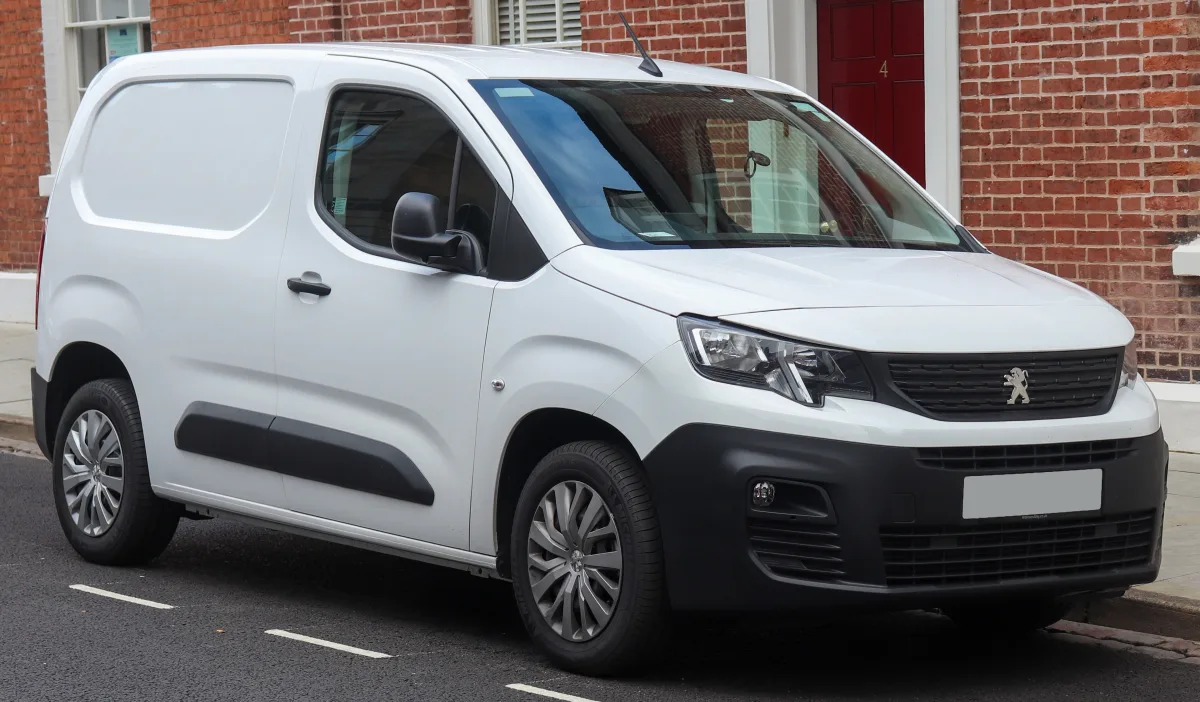
Peugeot Partner: II and III generations, engines and trims
The Peugeot Partner is a compact van that small business owners, tradespeople, and couriers in Lithuania often choose. We look at how the II and III generations differ, which engines are most commonly found, how the trims vary, and what to check before buying a used Partner.






Partner in brief
The Partner has been produced since 1996 alongside the Citroën Berlingo. The III generation twins are also the Opel Combo and Toyota ProAce City, so spare parts are plentiful, and mechanics are well-acquainted with this model.
In the II generation, the passenger version was called the Partner Tepee, while in the III generation, it was replaced by a separate model, the Rifter—the Partner name remained for cargo vans only. Cargo capacity depends on the version and can reach about a tonne.
II and III generation — what's the difference
The II generation (2008–2018, refreshed in 2015) is the most affordable way to get a small work van. It's spacious, simple, and sturdy, but most cars have high mileage, so the technical condition is crucial.
The III generation (from 2018) is built on a newer platform: it's quieter, safer, and more comfortable, featuring the Peugeot i-Cockpit cabin with a small steering wheel. It usually comes in two lengths — standard (around 4.4 m) and long (around 4.75 m), and some models have a load indicator.
Later, an electric e-Partner was also offered. The III generation is pricier in the used market, but more modern and usually less worn out.
Engines and gearboxes
The 1.6 HDi and later 1.6 BlueHDi diesel engines (around 75–120 hp) are most commonly found, with the 1.6 VTi petrol or post-facelift 1.2 PureTech being less so. Gearboxes are usually manual, with some robotised ETG units around.
The 1.5 BlueHDi diesel (around 75–130 hp) forms the backbone, with the 1.6 BlueHDi still available in some markets initially, and the petrol option being the 1.2 PureTech. The most powerful diesel can be found with an 8-speed automatic EAT8 gearbox.
For work and long distances, the diesel version is usually the go-to, but for short urban trips, consider the petrol engine too.
What to check when buying a used Partner
Workhorse Partners often have high mileage, so check the service history and MOT records. Inspect the clutch and dual-mass flywheel: vibrations under load or juddering at idle often indicate a repair is needed.
The 1.6 HDi engine's turbocharger is sensitive to oil quality and injector seals, so check if the oil has been changed on time. The 1.2 PureTech engine's timing chain runs in oil — ensure it's been changed as per the manufacturer's guidelines.
On newer BlueHDi engines, check that the AdBlue system is working without faults. Inspect the sliding door runners, load compartment floor, and underbody — these show how the vehicle has been used.


Trims and versions
Names and equipment vary by market and year; we list the versions most commonly found in Europe.
Partner furgonas
Second generationA basic cargo version for work.
- Often — one or two sliding side doors
- Mostly steel wheels
- Often — air conditioning
Partner Tepee
Second generationSecond-generation family-friendly model
- Mostly five seats, spacious boot
- Sliding doors on both sides
- Often — overhead storage above the front seats
Premium / Pro
Third generationBase third-generation workhorse spec
- Peugeot i-Cockpit cabin
- Often — air conditioning and multimedia system with Bluetooth
- Often — three-seat front bench
Asphalt
Third generationBest-equipped version for high-mileage drivers
- Often — navigation and cruise control
- Often — automatic climate control
- Often — light-alloy wheels and parking sensors
Grip
Third generationVersion for rough roads and construction sites
- Increased ground clearance and underbody protection
- Often — Advanced Grip Control traction system
- Front-wheel drive
Comparison of third-generation trims
| Premium / Pro | Asphalt | Grip | |
|---|---|---|---|
| Who it suits | For daily commuting | For high-mileage drivers | For rough roads and construction sites |
| Ground clearance | Standard | Standard | Increased |
| Cab | Basic trim | More comfort features | Spacious interior |
| Price in the used market (relatively) | Budget-friendly | Mid-range | Mid-range |
Most tasks are covered by the Premium or Pro trims with the 1.5 BlueHDi engine. Asphalt is worth choosing if you spend a lot of time behind the wheel, while Grip is ideal for those who often drive on rough roads.
Pros
- Compact and city-friendly
- Economical diesel engines
- Wide range and affordable spare parts (shared with Berlingo and Combo)
- Third-gen cabin is modern and comfortable
Cons
- 1.6 HDi turbocharger and 1.2 PureTech timing belt risk
- Second-gen interior is basic and noisy
- Commercial vehicles often have high mileage
Frequently asked questions
How does the Peugeot Partner differ from the Citroën Berlingo?
The second and third-gen Partner and Berlingo are essentially the same vehicle with different fronts, interiors, and trims. The mechanics, engines, and spare parts usually match, so it's worth choosing based on the specific vehicle's condition.
Which Partner engine should you choose?
For work, the 1.5 BlueHDi or 1.6 HDi diesel are most commonly selected. Both are economical, but the key is a well-maintained service history and a functioning AdBlue system in newer vehicles.
What's the difference between the Partner and Rifter?
Both are third-generation models on the same platform: the Partner is a commercial van, while the Rifter is a family people carrier with rear seats and a more upmarket interior.
Updated 2026-10-09 · Trim levels and equipment vary by market and model year — check the equipment of the specific car. · Translated automatically


