 English
 Lietuvių
 Latviešu
 Eesti
 Polski
 Русский
 Українська
 Deutsch
 Nederlands
 Čeština
 Slovenčina
 Svenska
 Norsk
 Dansk
 Suomi


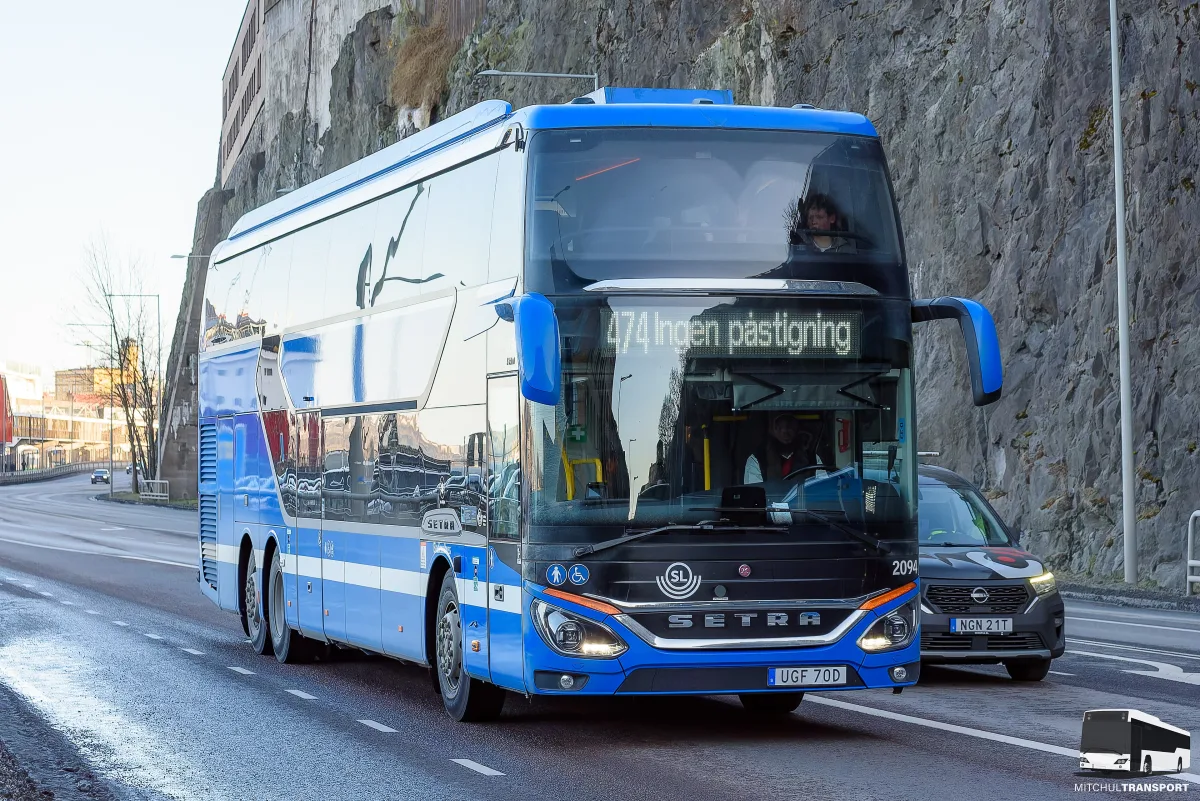
Setra TopClass: 400 and 500 series, engines and trims
Setra TopClass — the top-tier long-distance and tour coaches from the German manufacturer, with a history dating back to 2001. We're looking at the 400 and 500 series, the most common engines, and what to check when buying a used coach.






TopClass at a glance
TopClass is Setra's premium specification for long-haul journeys and tourist trips. These are high-deck (HD) two- and three-axle coaches with generous luggage compartments, and some versions are also available as double-deckers (DT).
In the Lithuanian market, these coaches typically arrive from Western European operators after a few years of intensive service. Buyers appreciate them for their comfort, robust construction, and the extensive Mercedes-Benz service network.
Which series to choose
The TopClass 400 series was introduced in 2001 and has become the most widespread in the used market. It's reliable, well-refined technology, but some vehicles already have high mileage, so the key factors are technical condition and service history.
The TopClass 500 series was launched in 2012: more modern styling, Euro VI engines, more safety and driver-assistance systems. It's pricier in the used market, but a better choice if you need longer service life and lower running costs.
Engines and gearboxes
The TopClass 400 series most commonly features six-cylinder Mercedes-Benz diesels (such as the OM 457 LA) with SCR systems and Euro 3–5 standards.
Transmissions are manual or automated (Telligent, later PowerShift). Automated boxes are more convenient for the driver but require timely oil and hydraulic maintenance.
What to check when buying a used TopClass
Firstly, check the mileage according to the tachograph data and the service book. Inspect the gearbox shifts, clutch condition, engine oil leaks, the SCR/AdBlue system, and exhaust gas cleaning sensors.
For the body and chassis: check the air suspension struts, axle and steering joints, door mechanisms, roof hatches, and climate control system. Interior trim and seats often need refreshing, so assess their wear and tear and the condition of the luggage compartment doors.


Versions and trims
Names and equipment vary by market and production year; we list the versions most commonly found in Europe.
TopClass 400 HD
2001–2012A high-floor, two-axle bus with classic TopClass comfort.
- Often comes with a manual or Telligent transmission
- Spacious luggage compartment
- Often includes climate control and a kitchenette
TopClass 400 HDH
2001–2012A higher floor level and larger luggage compartment for long journeys.
- Often available in three-axle versions (longer)
- More space for passenger luggage
- Often — audio and visual system
TopClass 500
from 2012Next-generation bus with Euro VI engines.
- Euro VI diesels
- Often — adaptive cruise control and lane-keeping system
- Modern dashboard and interior lighting system
TopClass DT (dviaukštis)
400 and 500 seriesDouble-decker version for high-passenger-volume routes.
- Higher capacity per trip
- Often — two-axle bogie setup
- Specific height and weight restrictions on route
TopClass series comparison
| TopClass 400 HD | TopClass 400 HDH | TopClass 500 | |
|---|---|---|---|
| Who it's for | For tours and chartered trips | For long trips with plenty of luggage | For intense long-distance work |
| Purpose | Journeys across Europe | Long-distance runs | Line-haul and tourist trips |
| Engine | Euro 3–5 diesel | Euro 3–5 diesel | Euro VI diesel |
| Price in the used market (relatively) | Budget | Mid-range | Premium |
Budget charter operators often find the TopClass 400 with a comprehensive service history to be a good fit. If modern safety systems and Euro VI compliance are important, opt for the TopClass 500.
Pros
- High comfort and robust construction
- Extensive Mercedes-Benz service and parts network
- Spacious luggage compartment
- Holds its value well in the used market
Cons
- More expensive than basic models in the used market
- Complex electronics in older examples
- High mileage on many of the used buses for sale
Frequently asked questions
What's the difference between TopClass and ComfortClass?
TopClass is the top-tier version with more generous standard equipment and a plusher interior, while ComfortClass strikes a balance between price and comfort. The construction and tech are often similar, but the finish and spec level differ.
Is it worth buying a high-mileage TopClass?
Yes, if there's a comprehensive service history and solid mechanical condition. These buses are built to last, but be prepared for potential major repairs, such as the gearbox or suspension.
What Euro emissions standards does TopClass meet?
The TopClass 400 series ranges from Euro 3 to Euro 5 depending on the year, while the TopClass 500 meets Euro VI. Before buying, check the specific vehicle's registration documents.
Updated 2026-10-21 · Trim levels and equipment vary by market and model year — check the equipment of the specific car. · Translated automatically


