 English
 Lietuvių
 Latviešu
 Eesti
 Polski
 Русский
 Українська
 Deutsch
 Nederlands
 Čeština
 Slovenčina
 Svenska
 Norsk
 Dansk
 Suomi


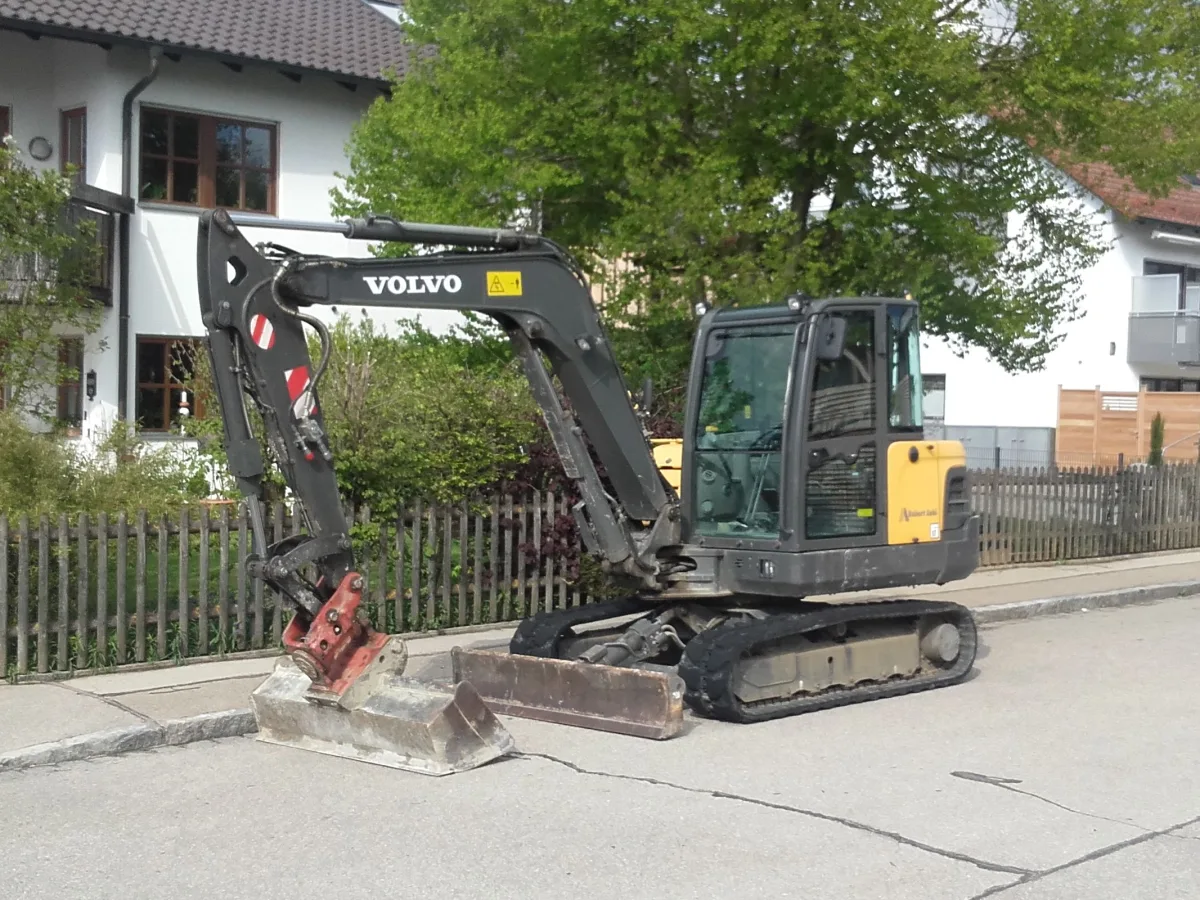
Volvo EC: tracked excavators, generations and inspection
Volvo EC — the Volvo Construction Equipment range of tracked excavators, covering both compact and heavy-duty models. We look at the B, C, D and E series, key features and what to check when buying a used Volvo EC.






Volvo EC in brief
The Volvo EC designation covers a wide range of excavators: from compact EC15–EC55 to mid-sized EC210, EC220 and EC250, and heavy-duty EC380, EC480 and larger. The number usually indicates the machine's class.
Praised for their comfortable cabs, efficient hydraulics and economical engines. Mid-sized models are the most popular in the Lithuanian market, suitable for digging, road and utility work.
Generations — what's the difference
Older B and C series are simpler, with less electronics. The D series improved comfort and efficiency, while the E series features more advanced electronics, a more comfortable cab and additional assist systems.
Some machines have a longer undercarriage (L), others a narrower one (N). There are also versions with reduced tail swing (ECR). Before purchasing, it's essential to identify the exact model and year of manufacture.
Engines and key components
Volvo excavators use Volvo's own diesel engines (D series). Newer machines feature SCR (AdBlue) and particulate filter systems, the condition of which is crucial.
Key components: hydraulic pumps and valve blocks, swing arm and boom, undercarriage with tracks, rollers and idlers, joystick and control lever with buttons and switches. Newer machines often feature remote monitoring (Volvo CareTrack).
What to check when buying a used Volvo EC
Check the engine hours and service history, look for smoke, oil leaks, and ensure hydraulic pressure is stable. If CareTrack is available, request the data.
Assess the undercarriage, track, and sprocket wear, swing arm, joystick movements, and quick coupler condition. Check if the machine has been heavily used with a hammer — this tends to wear out hydraulics faster.


Versions and trims
Names and equipment vary by market and production year; we list the versions most commonly found in Europe.
EC55 (kompaktiška)
Compact classA small machine for urban jobs.
- Small size
- Suitable for trenches and driveways
- Often comes with additional hydraulics
EC210 / EC220
Mid-size classVersatile mid-size class.
- Often comes with SCR and particulate filter
- Comfortable cabin
- Often — CareTrack
EC250 / EC300
heavier classDesigned for heavier earthworks.
- More power
- Robust chassis
- Often comes with additional hydraulics
EC380 ir didesni
heavy classFor heavy quarry and infrastructure work.
- Maximum power
- Requires special transport
- Expensive vehicle maintenance
Comparison of Volvo EC classes
| EC55 | EC210 / EC220 | EC380 | |
|---|---|---|---|
| Who it's for | City and light work | Versatile work | Heavy-duty work |
| Size | Compact | Mid-size | Large |
| Towing | Trailer | Heavy-duty trailer | Special transport |
| Price in the used market (relatively) | € | €€ | €€€ |
Before buying, first determine the required class based on your tasks. For versatile work, the mid-size EC210 or EC220 class with a good history often fits the bill.
Pros
- Comfortable cabin and efficient hydraulics
- Wide range of models
- A good selection of Volvo service and parts
- Holds its value well
Cons
- Prices in the used market are often higher than some competitors
- Newer versions with SCR and particulate filters require maintenance
- Expensive vehicle maintenance
Frequently asked questions
What does EC mean?
EC is the designation for Volvo excavators, and the number usually indicates the machine's class. Check the specific model's documents for exact weight and power.
How does the EC210 differ from the EC220?
Both models are in the mid-range, but they differ in generation, power, and specification. Compare the technical data of specific machines.
Is it worth buying a Volvo EC with high hours?
Yes, if there is a service history and the undercarriage and hydraulics have been checked. Without a history, high hours are a risk.
Updated 2026-10-21 · Trim levels and equipment vary by market and model year — check the equipment of the specific car. · Translated automatically


