 English
 Lietuvių
 Latviešu
 Eesti
 Polski
 Русский
 Українська
 Deutsch
 Nederlands
 Čeština
 Slovenčina
 Svenska
 Norsk
 Dansk
 Suomi


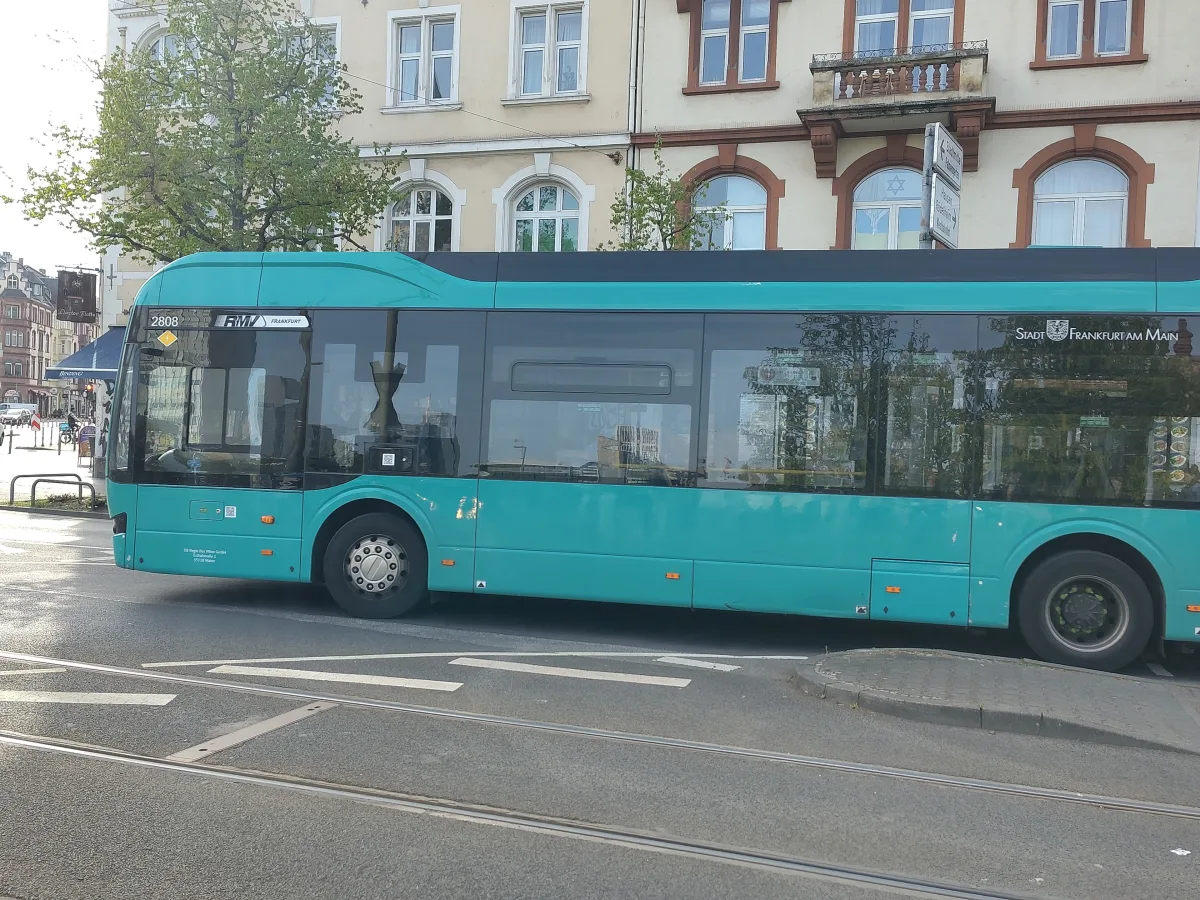
BYD K9: electric city bus, versions and what to check
BYD K9 (from 2010) — one of the first widely adopted electric city buses with iron phosphate (LFP) batteries. We look at the versions, power system, intended use, and what's important to check when buying used.






K9 in brief
K9 — roughly a 12m low-floor city bus powered solely by electricity: no diesel engine, exhaust fumes, or AdBlue. The model is designed for public transport — city and suburban routes, where buses are charged overnight.
The BYD K9 has been used in many cities and regional fleets across Europe. This model is significant in the used market because the supply of electric buses is gradually increasing, and their value is determined more by battery condition than mileage.
Versions — what's different
Early K9 versions were built for the Chinese market, while the K9UB was tailored for Europe — a low-floor bus with a cabin, doors, and safety features meeting European standards. Later, other lengths and purposes of BYD buses emerged, but the name K9 usually refers to the standard 12m city bus.
Newer versions feature updated batteries, improved energy management, and more modern electronics. When buying, it's crucial to know not just the year of manufacture, but also the exact version being sold, as parts supply and software can vary.
Engines and transmissions
K9 rear-wheel electric motors, with energy stored in LFP battery packs. These chemically composed batteries are praised for their longevity and safety, but ultimately they wear out — over time, capacity diminishes, as does real-world range.
There's no traditional gearbox — power is transmitted via electric drive. The manufacturer's stated range depends on weather conditions, load, heating, and route, so always assess real-world range based on actual usage.
What to check when buying a used K9
The key question is battery condition (SoH). Ask the seller for data on capacity, charging cycles, and battery warranty if it's still valid. A bus without reliable battery information is a risky purchase, as replacement is the biggest cost.
Check that charging (socket, cables, charging power), heating and air conditioning systems, and high-voltage safety features are working. Before buying, find out if there is software and parts support in your country.
The mechanics of a low-floor bus are evaluated like any city bus: door mechanisms, pneumatic suspension, brakes, floor, and body condition. Pay attention to mileage according to operating documents and the previous operator's maintenance history.


Versions
Names and equipment vary by market and year; we list generally described versions, and check the exact specification in the documents of the specific bus.
K9 (ankstyvoji)
from 2010The first-generation electric city bus.
- Simpler electronics
- Often — higher mileage
- Older-generation batteries
K9UB
European marketsA low-floor city bus tailored for Europe.
- Low-floor interior
- European safety standards
- Often — fleet history
Atnaujintos versijos
Later yearsNewer electronics and improved energy management.
- Often — better range
- More modern software
- Often — longer battery warranty
Priemiesčio / ilgesnės versijos
Various yearsAdapted for longer routes.
- More space or comfort
- Different seating configurations
- Check data specific to the exact version
Compare versions
| Ankstyvoji | K9UB | Atnaujinta | |
|---|---|---|---|
| Who it's for | For a more affordable electric parking experience | For city driving in Europe | For modern urban transport |
| Battery condition | The most important thing to check | Verify against the data | Often the better choice |
| Environmental impact | Zero local emissions | Zero local emissions | Zero local emissions |
| Price in the used market (relatively) | €€ | €€€ | €€€€ |
The K9 is worth considering for operators with charging infrastructure and clear routes. The purchase decision should be based on battery data, not just the year of manufacture.
Pros
- No exhaust emissions
- Quiet and smooth driving
- Lower energy consumption than diesel
- Fewer moving parts in the engine
Cons
- Battery replacement is very expensive
- Charging infrastructure is required
- Range depends on weather and load
Frequently asked questions
Does the K9 have a diesel engine?
No. The K9 is a purely electric bus — it is powered by electric motors, with energy supplied by batteries.
How far can it travel on a single charge?
The manufacturer specifies a long range, but the real-world range depends on weather, heating, load, and route. Ask the dealer for real-world usage data.
What to look for when buying a used K9?
Check the battery condition and documented history, ensure the charging system works, and that parts and software updates are available.
Updated 2026-10-21 · Trim levels and equipment vary by market and model year — check the equipment of the specific car. · Translated automatically


