 English
 Lietuvių
 Latviešu
 Eesti
 Polski
 Русский
 Українська
 Deutsch
 Nederlands
 Čeština
 Slovenčina
 Svenska
 Norsk
 Dansk
 Suomi


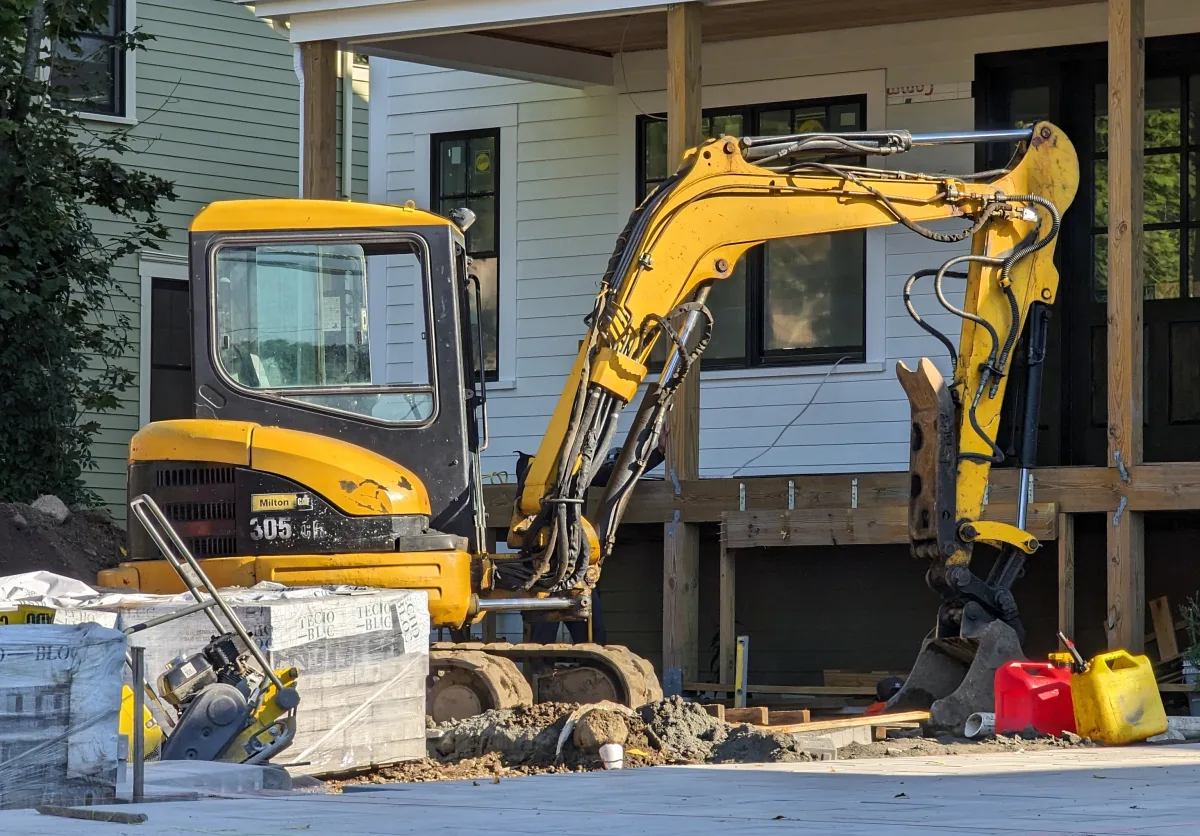
Caterpillar 305: compact excavator, series and inspection
Caterpillar 305 — a compact-class excavator with an operating weight of around 5 tonnes. We review the 305 CR and E series versions, key components, and what to check when buying a used machine.






305 in brief
Cat 305 — a popular compact excavator suitable for urban construction, trench digging, road repair, and garden work. Thanks to its small size, it fits in tight spaces and can be towed on a trailer.
These excavators often work with quick couplers, hammers, and various buckets, so the condition of the hydraulics is crucial.
Series and CR designation
The letters CR stand for compact tail swing — the machine's rear end doesn't stick out much during turning, making it handy in tight spaces. Series differ in comfort, electronics, and engine technology.
Newer versions feature a more modern cab, larger screen, and advanced hydraulics. Before purchasing, it's essential to determine the exact model series and year of manufacture.
Engines and key components
The four-cylinder diesel engine is economical and easy to maintain. Engines in newer versions comply with stricter Stage emissions standards, so they may have additional exhaust gas treatment systems.
Key components: hydraulic pump, valve block, rubber or steel tracks, rollers, swing mechanism, boom and stick with couplers and thumbs, and a dozer blade.
What to check when buying a used 305
Check the engine hours, cold start, smoke, and leaks. Test all hydraulic functions and ensure movements are smooth and stable under load.
Inspect the driveshaft, wheel bearings, and star wheel, play in the tie rods and track rod, and steering rack. Check if the car wasn't heavily used with a towbar, and ensure there's a full quick-release set.


Versions and trims
Names and equipment vary by market and production year; we list the versions most commonly found in Europe.
305 CR
Compact steeringPopular version for city driving.
- Small steering throw
- Often — rubber driveshaft
- Often — quick-release coupling
305E
E seriesImproved generation.
- More comfortable cabin
- Often — additional hydraulics
- More economical engine
305E2 CR
E2 seriesA newer version with improved technology.
- A more modern engine
- Often comes with air conditioning
- More efficient hydraulics
305 (Next Gen)
latest generationThe latest generation in the compact class.
- New cabin design
- Larger screen
- Often comes with advanced driver-assistance systems
Comparison of 305 versions
| 305 CR | 305E2 CR | 305 Next Gen | |
|---|---|---|---|
| Who it suits | For budget work | For everyday use | For intensive and modern work regimes |
| Engine technology | Older | Modern | Latest |
| Cab | Base | More Comfortable | Most Modern |
| Price in the used market (relatively) | Budget-friendly | Mid-range | Premium |
For budget work, the older 305 CR with a good history often fits the bill. For more intensive work, the E2 or a newer version is a better choice.
Pros
- Compact size and good power
- Suitable for urban construction
- Wide range of parts available
- Holds its value well
Cons
- Prices in the used market are higher than those of other manufacturers
- Rubber tracks are expensive to replace
- Newer versions have more complex electronics
Frequently asked questions
What is the operating weight of the Cat 305?
Operating weight is around 5 tonnes, depending on the version and chassis. Check the exact weight in the documentation.
How does the 305 differ from the 302?
The 305 is a larger mini excavator in the 302 series: heavier, more powerful, and with a deeper dig. The 302 is suited to smaller jobs.
Is the 305 suitable for urban work?
Yes, especially the CR version, which has minimal overhang during turns. However, due to its weight, it's essential to check if there's enough space for manoeuvres.
Updated 2026-10-21 · Trim levels and equipment vary by market and model year — check the equipment of the specific car. · Translated automatically


