 English
 Lietuvių
 Latviešu
 Eesti
 Polski
 Русский
 Українська
 Deutsch
 Nederlands
 Čeština
 Slovenčina
 Svenska
 Norsk
 Dansk
 Suomi


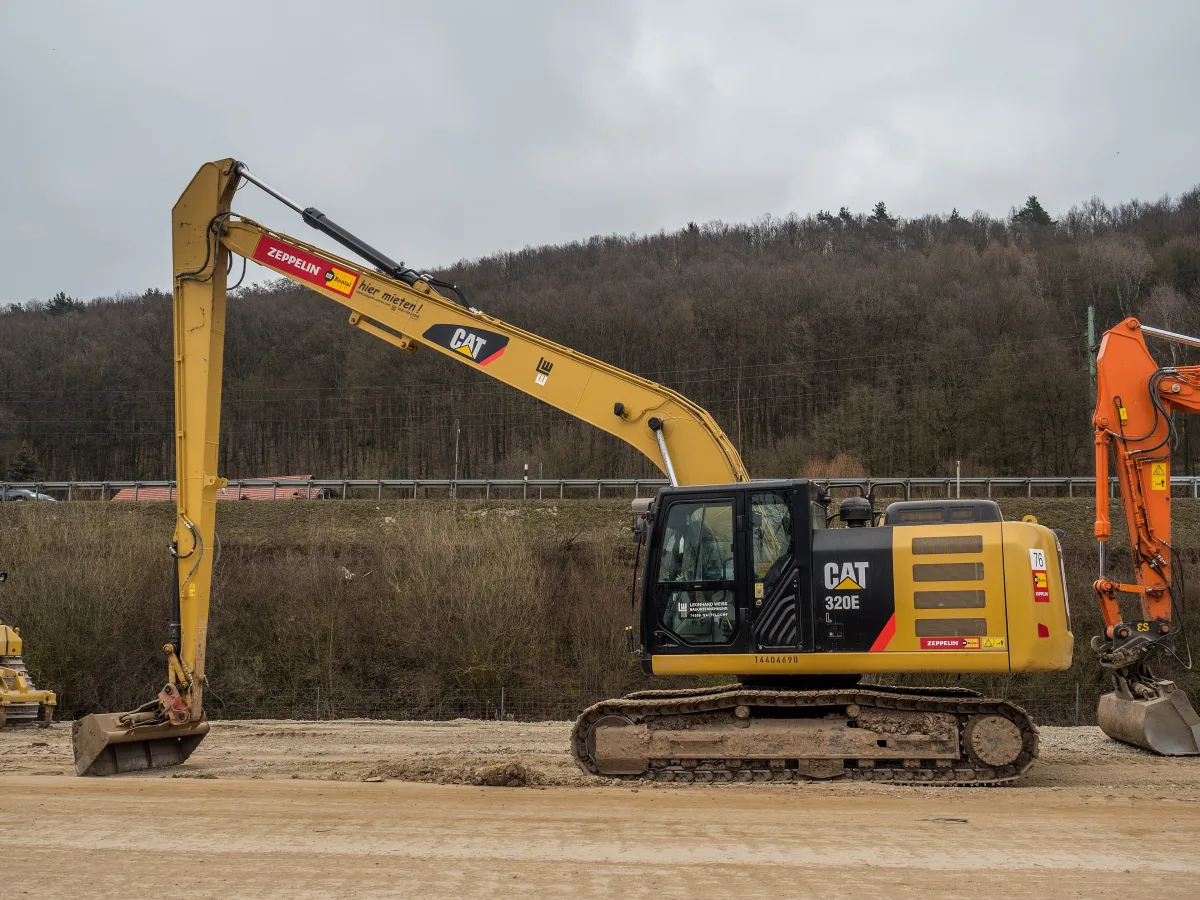
Caterpillar 320: excavator generations, engines, and what to check
The Caterpillar 320 is one of the world's most popular 20-ton tracked excavators, produced since 1992. We look at its generations, engines, and what to check when buying a used excavator.






320 in brief
The Caterpillar 320 is a hydraulic tracked excavator with an operating weight of around 20–23 tonnes. It's a versatile class, suitable for earthmoving, trenching, construction, roadwork, and loading.
Due to its popularity, there are plenty of used Cat 320s on the market — from older B and C series models to newer E and Next Gen versions. Therefore, it's crucial to consider the specific generation and engine when choosing.
Generations — what's the difference
Earlier generations (B, C) are simpler, with less electronics and simpler hydraulics. They're cheaper, but wear and tear can be significant, and later environmental standards are higher.
Newer generations (D, E, Next Gen) feature more modern cabs, more fuel-efficient engines, and advanced hydraulics. The latest models also come with smart systems that aid precise digging.
Engines and key components
The Cat 320 is powered by Caterpillar diesel engines (e.g., C6.4, C7.1 — depending on the generation), with power typically around 100–130 kW. Newer engines meet the latest EU standards and come with exhaust gas treatment systems.
Key components include hydraulic pumps, swing motor and reducer, boom and stick with joint pins, undercarriage with track chains, rollers and sprocket wheels. The condition of these components determines the remaining lifespan of the excavator.
What to check when buying a used Cat 320
Request the service and maintenance history. Check if the engine starts easily, if there's no smoke, and if there are no oil leaks around the engine and hydraulic hoses.
Inspect the undercarriage: track chains, rollers, sprockets, and idler cylinders — their replacement is one of the biggest expenses. Check the boom, stick, and bucket joints for play and wear.
Test all hydraulic functions: swing, boom and stick movement, travel. Play in the swing motor or unusual noises indicate wear. Check the quick coupler operation and condition of the hydraulic hammer lines.


Versions
Specific models and equipment vary by market and year; we list the most common versions.
320 L
B / C generationLonger undercarriage for greater stability.
- Longer undercarriage
- Better stability when digging
- Greater track wear may occur on uneven terrain
320 D
D generationMid-life model with a modern engine.
- Often — a more modern cab
- More economical engine
- Often — quickshift gearbox
320 E
E seriesNewer model with improved hydraulics
- More advanced hydraulics
- More comfortable cabin
- Often — exhaust gas recirculation system
320 GC
Depending on the modelEconomical version with simpler tech
- Lower price
- Simpler equipment
- Designed for heavy but straightforward work
320 Next Gen
Latest generationLatest generation with advanced systems
- Modern controls and display
- Often — digital parking assist systems
- Frugal engine
320 LN / ilgos strėlės
To orderSpecialised configurations for the type of work.
- Narrower or longer wheelbase depending on the version
- Often — longer range
- Check against the order documents
Generation comparison
| B / C | D | E | Next Gen | |
|---|---|---|---|---|
| Who it's for | For light-duty towing | For general work | For heavy-duty use | For modern construction |
| Gross vehicle weight | ~20–22 t | ~20–22 t | ~20–23 hp | ~20–23 hp |
| Electronics | Basic | Mid-range | Extended | Most comprehensive |
| Comfort | Basic | Good | High | High |
| Price in the used market (relatively) | € | €€ | €€€ | €€€ |
For a non-intensive user, the B or C generation will do just fine, for versatile work, go for the D. For heavy-duty use, opt for the E or Next Gen, but they come at a higher price.
Pros
- Universal 20-tonne class — suitable for a variety of jobs
- Wide range of Cat service centres and parts availability
- Holds its value well
- Plenty of used models to choose from
Cons
- Used prices are high
- Changing the chassis is expensive
- Newer models have more electronics and complex diagnostics
Frequently asked questions
What is the operating weight of the Cat 320?
Depending on the generation and configuration, usually around 20–23 t. Check the exact weight for the specific excavator.
Which Cat 320 generation is the best?
It depends on your budget and workload. For less intensive digging, an older generation will do, but for heavy-duty work, opt for the E or Next Gen with a more economical engine.
What to look out for when buying a used Cat 320?
Check the engine hours, chassis wear, condition of hydraulic pumps, swing bearing, pin and bushing joints, and service history.
Updated 2026-10-21 · Trim levels and equipment vary by market and model year — check the equipment of the specific car. · Translated automatically


