 English
 Lietuvių
 Latviešu
 Eesti
 Polski
 Русский
 Українська
 Deutsch
 Nederlands
 Čeština
 Slovenčina
 Svenska
 Norsk
 Dansk
 Suomi


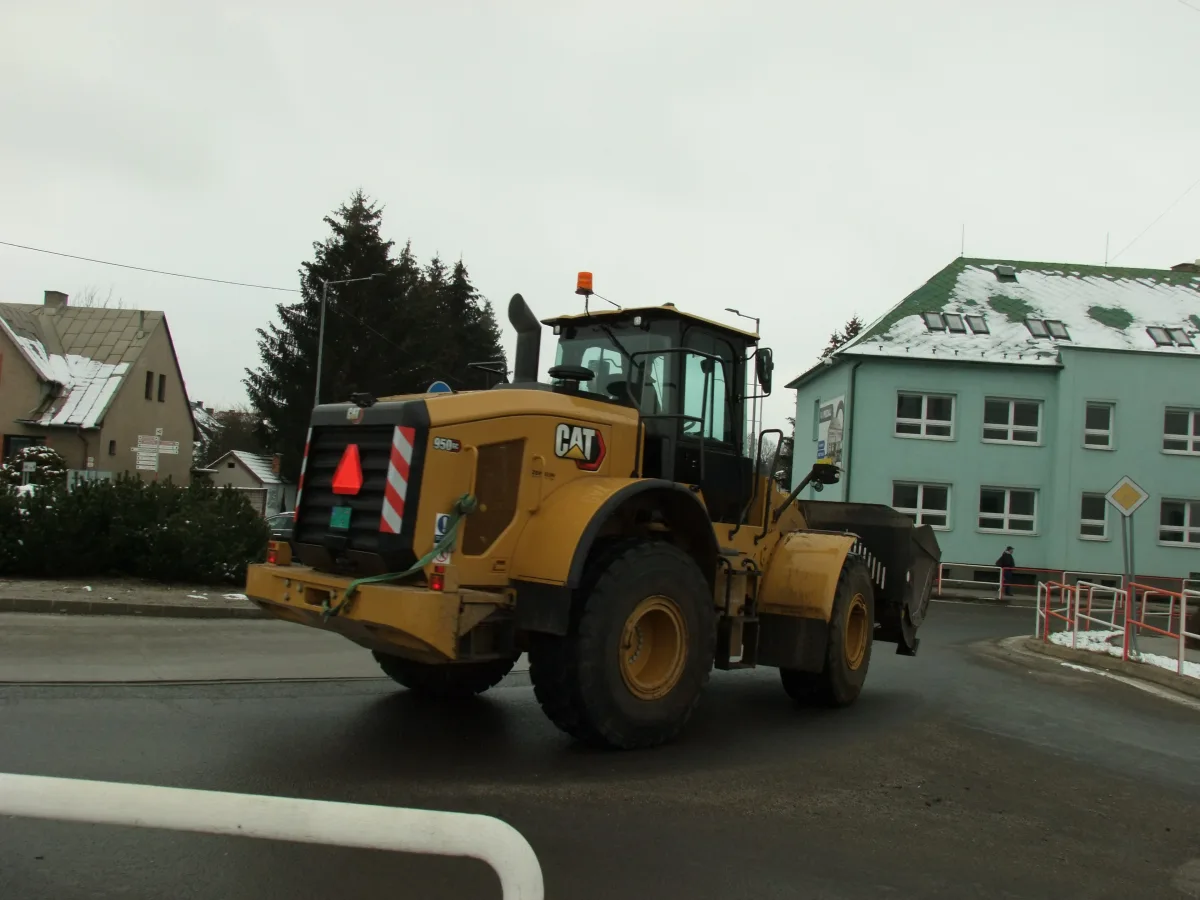
Caterpillar 950: wheel loader, series and inspection
Caterpillar 950 — a mid-size wheel loader with an operating weight of around 18–20 t. We look at the F, G, H, K, L, M and GC series, key components and what to check when buying a used 950.






950 in brief
Cat 950 — a mid-size wheel loader used in quarries, gravel pits, construction, port and agricultural settings. Thanks to its mid-sized bucket capacity (over 3 m³), it handles gravel, sand, earth and other loose materials with ease.
Produced for many years, so the used market features a wide range of generations: from basic old-timers to modern machines with automatic transmissions and weighing systems.
Series — what's the difference?
The older F, G, H series are more basic, with mechanical tech and simpler cabs. The K, L, M series improved comfort, fuel efficiency and electronics.
The newer 950 GC version is more basic in terms of price and spec, aimed at core tasks. Before buying, it's essential to determine the exact series and year of manufacture.
Engine and key components
Most 950s come with a six-cylinder Cat diesel engine, with around 200 hp. Newer versions feature systems that meet stricter Stage norms, and their condition is crucial.
Key components: automatic transmission with torque converter, axles, frame articulation joint, lift arm, bucket cylinders, hydraulic pump, tyres.
What to check when buying a used 950
Check the engine hours, service history, smoke, cold start, and oil leaks. Test the gearbox — shifts should be smooth, with no grinding or slipping.
Inspect the chassis mounts, jacking points and access holes, suspension cylinders, tire condition, and braking system. Check the chassis and suspension for cracks and corrosion, and ensure the car wasn't used in the harshest off-road conditions.


Versions and trims
Names and equipment vary by market and year of production; we list the versions most commonly found in Europe.
950G / H
G and H seriesOlder, more basic generations.
- Often — simpler electronics
- Lower price in the used market
- A thorough inspection is essential
950K / L
K and L seriesModern generation with better comfort.
- More comfortable cabin
- Often — weight-saving measures
- More economical engine
950M
M seriesNewer generation with more advanced technology.
- Often — cutting-edge electronics
- Larger screen
- More efficient engine
950 GC
GC versionSimpler trim for everyday tasks.
- Less equipment
- Often — a lower price
- Suitable for everyday towing
Comparison of 950 versions
| 950H | 950M | 950 GC | |
|---|---|---|---|
| Who it's for | For budget-conscious work | For intensive and efficient work | For everyday towing |
| Engine technology | Older | Modern | Modern |
| Electronics | Basic | Advanced | Mid-range |
| Price in the used market (relatively) | Budget-friendly | Premium | Premium |
For budget-conscious work, opt for a well-maintained 950H or K. For heavy-duty use and efficiency, the M is a better choice, while the GC is ideal for everyday tasks.
Pros
- Versatile mid-size cargo van class
- Robust build
- Good Cat service and parts availability
- Holds its value well
Cons
- Expensive tyre and gearbox maintenance
- Newer versions require maintenance for SCR and particulate filters
- Prices in the used market are higher than some competitors
Frequently asked questions
How much does a Cat 950 weigh?
Operating weight is around 18–20 t, depending on the series. Check the exact weight in the documents.
How does the 950 differ from the 966?
The 966 is larger and more powerful than the 950, with a bigger bucket capacity. The 950 is smaller, cheaper and more manoeuvrable.
Is it worth buying a 950 with high mileage?
Yes, if there's a service history and the transmission, frame rails and tyres have been checked. Without a history, high mileage is a risk.
Updated 2026-10-21 · Trim levels and equipment vary by market and model year — check the equipment of the specific car. · Translated automatically


