 English
 Lietuvių
 Latviešu
 Eesti
 Polski
 Русский
 Українська
 Deutsch
 Nederlands
 Čeština
 Slovenčina
 Svenska
 Norsk
 Dansk
 Suomi


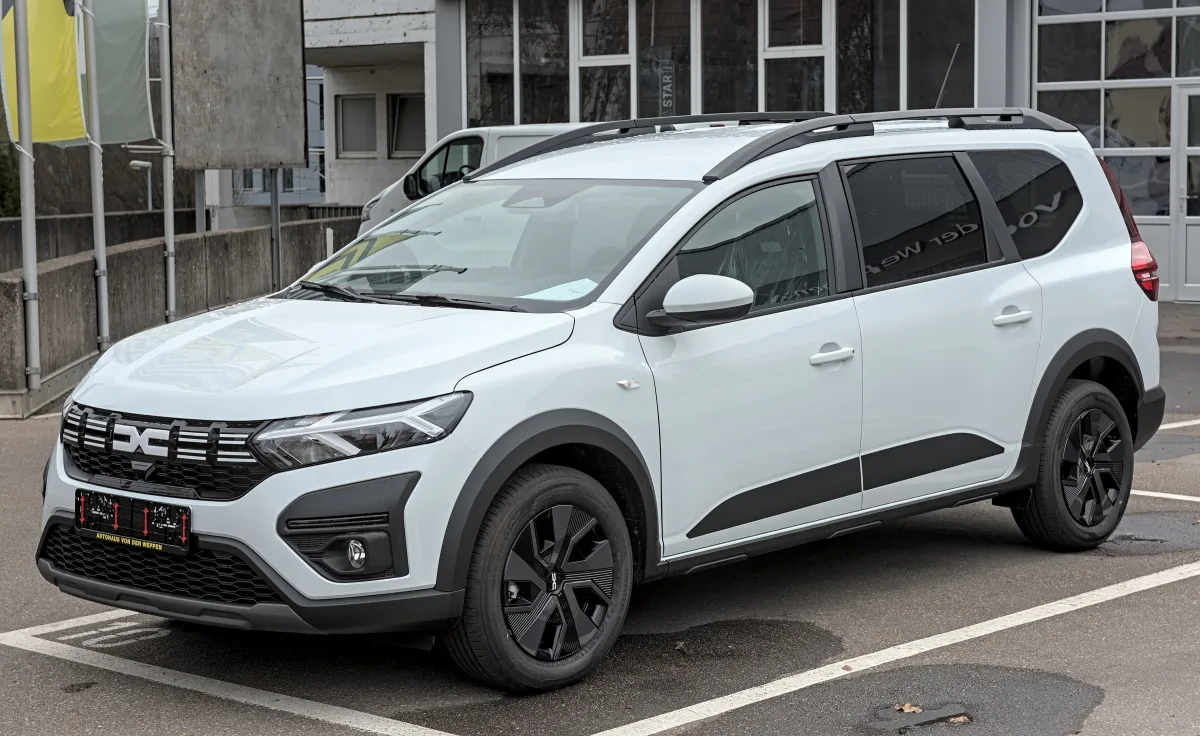
Dacia Jogger: engines, hybrid and trims
The Dacia Jogger is a seven-seater estate car launched in 2021, one of the most affordable family cars in Europe. We look at the engines, trims, hybrid and twin-fuel versions, plus what to check when buying a used Jogger.






Jogger in brief
The Jogger is designed as a spacious and straightforward family car, costing less than most rivals. It's around 4.5m long, has a higher ride height like an SUV and is offered with five or seven seats.
It's a simple but practical car: a wide boot, a double-floor loading area and easily removable seats. It's ideal for families wanting more space for less money.
Versions and engines
The main petrol engine is a 1.0-litre turbo, with around 100-110hp. There's also a twin-fuel version, the ECO-G, which can run on petrol or liquefied petroleum gas (LPG).
From 2023, a hybrid version, the Hybrid 140, is offered, which combines a 1.6-litre petrol engine and two electric motors, with a total output of around 140hp. The hybrid has an automatic gearbox, while other versions have a six-speed manual.
Which versions to choose
If you mostly drive around town and local roads, the basic 1.0 TCe version will do the job. For longer distances and lower fuel costs, consider the ECO-G or hybrid.
The twin-fuel version is more economical for high-mileage drivers, but the gas tank reduces boot space. The hybrid is convenient in the city, but it's more expensive.
What to check when buying a used Jogger
The Jogger is relatively new, so pay close attention to its service history, body condition, and how the first owner treated it. Check all the seats, their removal and folding mechanisms.
In the gas version, check if the gas system works and if the mandatory inspection has been done. For the hybrid, ask for service records and check if the transmission operates smoothly.
Ensure the multimedia system works and inspect the interior trim — it may wear out faster due to simpler materials.


Trim levels
Names and equipment vary by market and year; we list the most common trims found in Europe.
Essential
BaseThe base trim with essential equipment.
- Often includes steel wheels
- Basic safety features
- Simpler multimedia system
Expression
Mid-rangeThe most popular trim with added comfort.
- Often includes climate control
- Often includes a multimedia screen
- More convenience features
Extreme
HigherWith a more striking appearance and more equipment.
- Often — additional interior accents
- Often — lightweight alloy wheels
- More driver assistance systems
Journey
TopFull specification.
- Often — a larger screen
- Often — more safety and comfort features
- Premium interior
Trim comparison
| Essential | Expression | Extreme | Journey | |
|---|---|---|---|---|
| Who it's for | Budget option | Everyday use | Styling and more equipment | Maximum comfort |
| Interior | Base | More comfortable | With accents | Most luxurious |
| Price in the used market (relatively) | Budget-friendly | Budget-friendly | Mid-range | Mid-range |
Most buyers will be happy with the Expression or Extreme. The Journey is worth considering if you want the most features.
Pros
- Very spacious interior and large boot
- Seven-seat option
- Affordable price
- Petrol and hybrid versions
Cons
- Simpler materials in the cabin
- The third row is mainly for kids
- A brief history of the model in the used market
Frequently asked questions
Does the Jogger have seven seats?
Yes, five- and seven-seat versions are available. The third row is more suited to kids.
Is it worth choosing the ECO-G?
If you do a lot of driving and have access to LPG stations, the ECO-G can save on fuel. However, the tank reduces boot space.
How does the Jogger differ from the Sandero?
The Jogger is larger, longer, offers more boot space and has a third row of seats. The Sandero is a smaller hatchback.
Updated 2026-10-17 · Trim levels and equipment vary by market and model year — check the equipment of the specific car. · Translated automatically


