 English
 Lietuvių
 Latviešu
 Eesti
 Polski
 Русский
 Українська
 Deutsch
 Nederlands
 Čeština
 Slovenčina
 Svenska
 Norsk
 Dansk
 Suomi


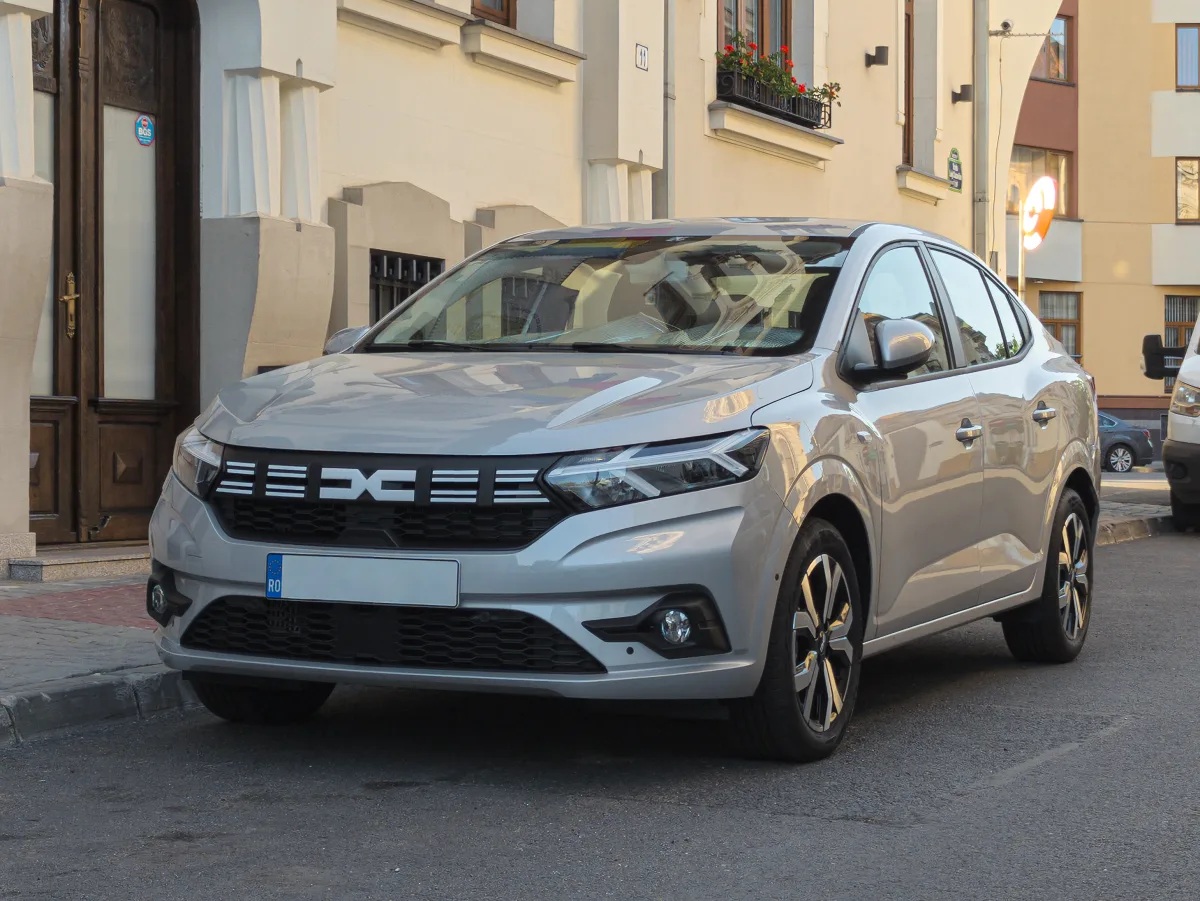
Dacia Logan: generations, engines and trims
The Dacia Logan is a simple and spacious sedan that appeals to those who prioritise a low price and affordable maintenance. We look at how the three Logan generations differ, which engines are the most popular, how the trims vary and what to check before buying a used one.






Logan at a glance
The Logan was introduced in 2004 as an affordable yet spacious family car. The main body style is a sedan, and the first and second generations were also available as an estate – the Logan MCV. The technology is largely borrowed from Renault, so parts are plentiful, and mechanics are familiar with this model.
The Logan is praised for its large boot, simple construction and affordable repairs. On the downside, the interior materials are basic, sound insulation is less effective than in pricier rivals, and base models come with minimal equipment.
Which generation to choose
The first generation (2004–2012) is now quite old and often has high mileage, so it's worth considering only if you have a very tight budget and the car is in excellent condition.
The second generation (2012–2020) is the most popular on the used market. It's more modern and comfortable than the first, and after the 2016 update, it received new engines and a robotised Easy-R gearbox. The Logan MCV estate was produced in this generation until 2020 and is one of the most practical affordable estates.
Third generation (from the end of 2020) built on the new CMF-B platform, which is also used by the Renault Clio. It's significantly quieter, safer, and comes with more modern features, while cars updated between 2022–2023 received a new Dacia logo. There's no estate version in this generation—its place has been partly taken by the Dacia Jogger.
Engines and gearboxes
In the second generation, you'll most commonly find 1.2 16V (around 75 hp) and 1.0 SCe (around 73 hp) naturally aspirated, 0.9 TCe (around 90 hp) turbocharged petrol engines, and a 1.5 dCi diesel (around 75–90 hp). Many cars come with factory-fitted or aftermarket LPG (liquefied petroleum gas) kits.
In the third generation, the lineup is anchored by the 1.0 SCe (around 65 hp) and 1.0 TCe (around 90 hp) engines, as well as the factory-fitted LPG-powered 1.0 TCe ECO-G (around 100 hp). There are no diesel engines in this generation.
The Logan typically comes with a manual gearbox. In the second generation, a robotised Easy-R box was offered, which shifts slowly and with jerks, while in the third generation with the 1.0 TCe engine, you can opt for a CVT (continuously variable transmission).
What to check when buying a used Logan
The Logan is often used as a taxi and in other commercial fleets, so the mileage can be very high. Check the mileage against service records and technical inspections, and inspect the driver's seat, steering wheel, and pedals—heavy wear can reveal the true mileage.
If the car runs on gas, ask for the gas system documents and check if the engine runs smoothly on both fuel types. For the 1.5 dCi diesel, inquire about the oil change history, as infrequent oil changes can harm this engine, and for those driven mostly in the city, check the diesel particulate filter (DPF).
Inspect older cars for rust on the underbody, sills, and wheel arches. Check the suspension mounts and shock absorbers. During a test drive in an Easy-R gearbox car, ensure that gears shift smoothly without any clunks or judders.


Trim levels
Names and equipment vary by market and year; we list the most commonly found trims in Europe.
Access
Second generationThe base and most affordable version comes with only essential equipment.
- Steel wheels
- Often lacks air conditioning
- Basic sound system or none at all
Ambiance
First and second generationThe most commonly found version is basic but reasonably comfortable.
- Often comes with air conditioning
- Often features electric front windows
- Often includes a radio with USB and Bluetooth
Laureate
First and second generationBest-equipped version of the older generations.
- Often — light alloy wheels
- Air conditioning, often — cruise control
- Often — MediaNav multimedia with navigation
Essential
Third generationThe base third-gen version, which comes with more kit than before.
- LED daytime running lights
- Often — manual air conditioning
- Basic multimedia system
Comfort
Third generationThe most popular third-gen choice.
- Often — automatic air conditioning
- Multimedia with a larger screen
- Often — parking sensors and rear-view camera
Expression
Third generation post-faceliftThe facelifted third-gen is more comfortable.
- New Dacia badge and interior trim
- Often — light alloy wheels
- Often — Bluetooth connectivity
Second-generation trim comparison
| Access | Ambiance | Laureate | |
|---|---|---|---|
| Who it's for | For the tightest budgets | For daily driving | More comfort |
| Alloy wheels (most often) | Steel wheels | Steel wheels with covers | Often light-alloy |
| Interior | Most basic | Standard | More equipment |
| Air conditioning | Often isn't | Often is | There is |
| Price in the used market (relatively) | € | € | €€ |
For most buyers, the best choice is a second-gen Ambiance or Laureate with a 1.0 SCe, 0.9 TCe or 1.5 dCi engine. The Access is worth considering only if air conditioning isn't a priority.
Pros
- Very spacious interior and large boot for its class
- Simple construction and affordable maintenance
- Many cars come with factory-fitted LPG
- Plenty of used examples available
Cons
- Basic interior materials and weaker sound insulation
- Base models come with minimal equipment
- Many cars have high mileage from taxi or fleet use
Frequently asked questions
Which Logan generation is best to buy used?
For many buyers, the best choice is the second generation after the 2016 refresh: it's affordable, straightforward and quite modern. If your budget allows and comfort and safety are important, consider the third generation.
Is it worth buying a Logan with gas equipment?
Yes, if the equipment is properly installed and has the necessary documents. Factory ECO-G equipment in the third generation is usually the most reliable, while aftermarket installations should be checked by a gas equipment specialist.
What's the difference between the Logan and Logan MCV?
The Logan MCV is an estate — longer and with a significantly larger boot, and some versions even had a third row of seats. The mechanics and trim levels are essentially the same as the sedan.
Is the Easy-R gearbox reliable?
The Easy-R is a robotised manual box, so it shifts slower and less smoothly than a conventional automatic. If you want simplicity, it's often more sensible to choose a manual gearbox.
Updated 2026-10-09 · Trim levels and equipment vary by market and model year — check the equipment of the specific car. · Translated automatically


