 English
 Lietuvių
 Latviešu
 Eesti
 Polski
 Русский
 Українська
 Deutsch
 Nederlands
 Čeština
 Slovenčina
 Svenska
 Norsk
 Dansk
 Suomi


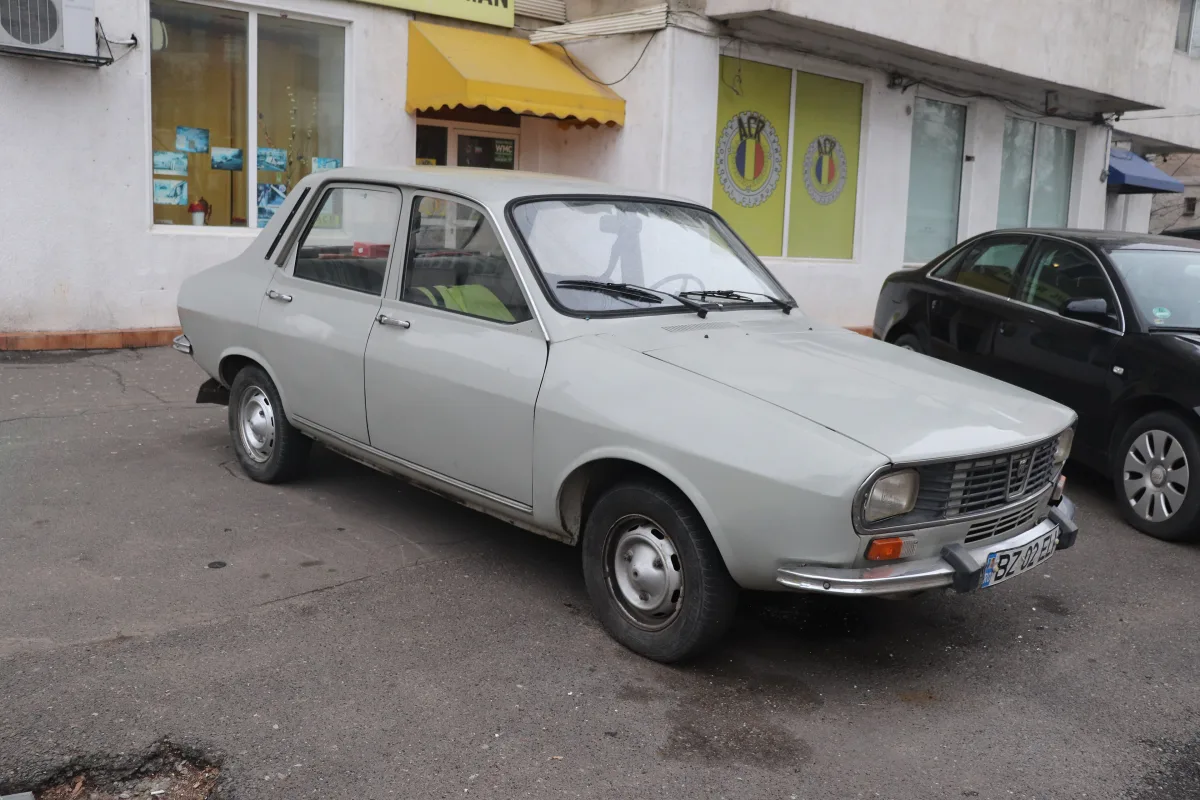
Dacia 1300: Romania's Classic and What to Know Before Buying
Dacia 1300 — a Romanian car that has been produced since 1969 under the Renault 12 license. Later, the 1310 series appeared, which was produced until 2004. In this article, we review the model, its engine, and things to know before buying.






Dacia 1300 in brief
The Dacia 1300 was created under the Renault 12 license and became one of Romania's most important cars. The model was simple, uncomplicated, and aimed at the mass market.
Cars in this line were produced as sedans, estates, and pickups. Later, the 1310 model continued this line until 2004.
Which version to choose
Early 1300 cars have a distinctive front end, while the 1310, which appeared in 1979, had a refreshed look and interior. Later versions usually came with more equipment.
Today, these are mostly classic and collector's cars. Buyers should decide whether they want an early, original 1300, or a more practical later 1310.
Engine and gearbox
The Dacia 1300 had a 1.3-litre petrol engine derived from Renault technology, while later versions also used a 1.4-litre engine. The engine is simple and easy to service.
The gearbox is manual, and the drive is front-wheel, just like the Renault 12.
What to check when buying a Dacia 1300
First, inspect the body: these cars can suffer from serious corrosion, especially in the sills, wheel arches, floors, and wings. Check painted parts.
Check the engine's operation when cold and hot, oil leaks, and gearbox shifts. The process is straightforward, so parts can often be found through enthusiast communities.
Inspect the interior, electrics, and glass. Check the documents and the car's actual age.


Trim levels
Dacia 1300 and 1310 trim levels varied by year; we outline the main versions.
Dacia 1300
from 1969Early model, classic version.
- 1.3-litre petrol engine
- Manual gearbox
- Basic, original equipment
Dacia 1310
from 1979Refreshed model, produced until 2004
- Refreshed styling
- Often — 1.3 or 1.4-litre engine
- Often — more equipment
Universalas
in different yearsA more practical body for the family or cargo.
- Larger boot
- The same straightforward tech
- Often — rarer than the sedan
Comparing versions
| 1300 | 1310 | Universalas | |
|---|---|---|---|
| Who it's for | For classic car enthusiasts | For daily driving | For practical use |
| Body | Mostly a sedan | Sedan or estate | Universalas |
| Price in the used market (relatively) | Mid-range | Budget | Mid-range |
If you're after a classic, go for an early 1300. If you need practicality, opt for a later 1310 or an estate.
Pros
- Simple and straightforward technology
- Parts can be found through enthusiasts
- A collectible example of Romanian classicism
- Affordable to buy
Cons
- Rust
- Modest comfort and safety by today's standards
- The era of old cars
Frequently asked questions
Was the Dacia 1300 based on the Renault 12?
Yes, the model was created under Renault 12 license.
What body styles were available in the Dacia 1300 range?
Saloon, estate and pickup.
Is the Dacia 1300 still in production?
No, production of the 1310 series ended in 2004.
Updated 2026-10-21 · Trim levels and equipment vary by market and model year — check the equipment of the specific car. · Translated automatically


