 English
 Lietuvių
 Latviešu
 Eesti
 Polski
 Русский
 Українська
 Deutsch
 Nederlands
 Čeština
 Slovenčina
 Svenska
 Norsk
 Dansk
 Suomi


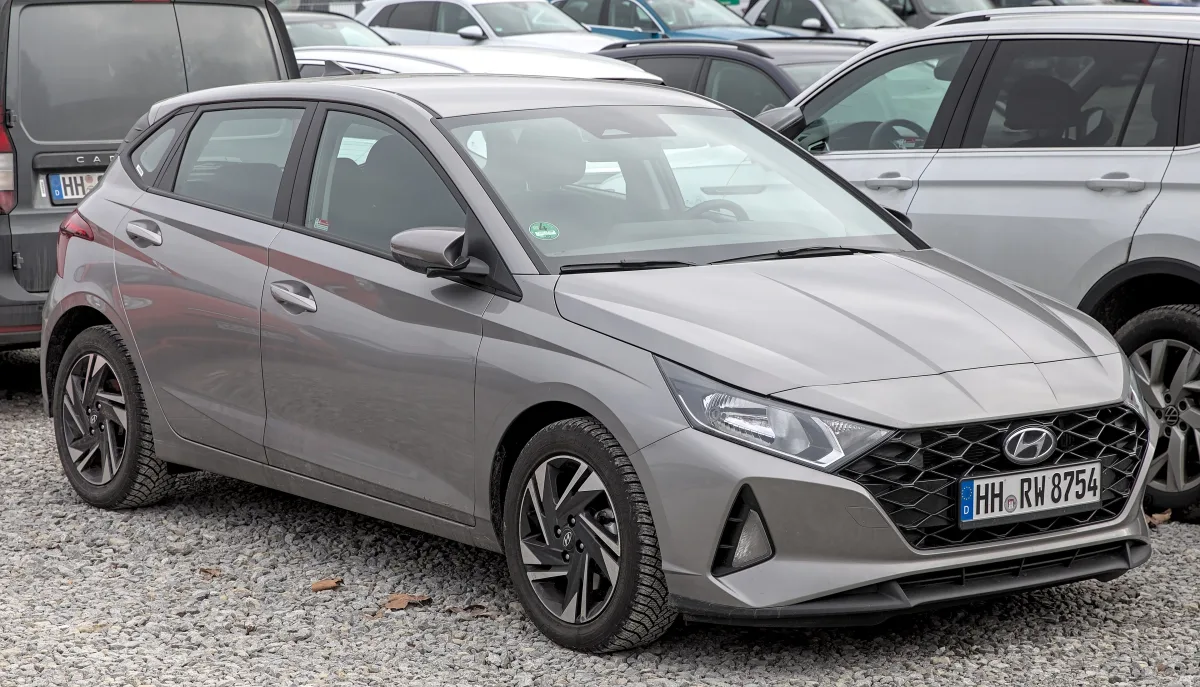
Hyundai i20: PB, GB and BC3 generations, engines and trims
The Hyundai i20 is a compact hatchback that competes with the likes of the Volkswagen Polo, Opel Corsa and Škoda Fabia in Europe. It's valued in the used market for its straightforward technology, low running costs and spacious interior for its class. We'll take a look at all three generations (mainly GB and BC3), the most popular engines, trims and what to check before buying.






i20 at a glance
The first i20 generation (PB) launched in 2008 and replaced the Getz in Hyundai's lineup. Most were sold as 5-door hatchbacks, but the GB generation also offered a 3-door i20 Coupe and the higher, crossover-style i20 Active, while the BC3 generation introduced the sporty i20 N.
The i20 is often chosen by those after a small, economical and hassle-free car for the city. Petrol engines are considered reliable, and spare parts are readily available. New Hyundai models in Europe typically come with a 5-year unlimited-mileage warranty, so it's worth checking if any of this remains on a newer car.
How GB and BC3 generations differ
The PB generation (2008–2014, facelifted in 2012) is today the cheapest option, but most of these cars have high mileage, so the key is the technical condition rather than the features.
The GB generation (2014–2020) is longer, roomier and significantly more modern. The 2018 facelift brought a revised front end, more safety systems and the option to pair the 1.0 T-GDi engine with a 7-speed DCT gearbox. This is the most popular i20 generation on the used market.
The BC3 generation (from 2020) is lower and wider, with a more striking design, a digital instrument cluster and more driver-assistance systems. Diesel engines have been dropped, and some 1.0 T-GDi versions have become 48V mild hybrids. The 2023 model has been refreshed with a new front end and additional features.
Engines and gearboxes
The GB generation most commonly features naturally aspirated 1.25 (around 75–84 hp) and 1.4 (around 100 hp) petrol engines, the turbocharged 1.0 T-GDi (100 or 120 hp) and 1.1 and 1.4 CRDi diesels. Naturally aspirated engines are simple and long-lasting, while the 1.0 T-GDi is more dynamic and comfortable in the city.
The BC3 generation offers a narrower choice: the 1.2 MPI (around 84 hp) with a manual gearbox and the 1.0 T-GDi (100 or 120 hp), often with a 48V mild hybrid system. The sporty i20 N has a 1.6 T-GDi engine (around 204 hp) and only a manual gearbox.
Gearboxes come as manuals, a conventional automatic (most common with the 1.4 petrol engine in the GB generation) or a 7-speed dual-clutch DCT with the 1.0 T-GDi. Some mild hybrid versions feature an iMT manual gearbox with an electronically controlled clutch.
What to check when buying a used i20
The DCT gearbox should shift smoothly from a standstill: hesitation, vibration, or sluggishness when pulling away can indicate a need for clutch or control unit repair. During a test drive, check the acceleration uphill.
Regular oil changes are crucial for the 1.0 T-GDi turbo engine, so check the service records and ensure the cold engine runs smoothly. For diesel GB cars that have done a lot of city driving, inspect the diesel particulate filter (DPF) and EGR valve.
Small cars are often heavily used in cities or by rental companies — check the clutch, brakes, suspension mounts, and body corners for minor dents. Inspect the interior according to the service and inspection records.


Trim levels
Names and equipment vary by country and year; we list the most common trims found in Europe.
Classic
GB generationThe base trim is perfect for everyday use.
- Often comes with steel wheels
- Often includes a manual air conditioner
- Basic audio system
Comfort
GB and BC3 generationsThe most popular choice — essential comforts for a sensible price.
- Often comes with lightweight alloy wheels
- Air conditioning and Bluetooth connectivity
- Often includes rear parking sensors and a rear-view camera
Style
GB and BC3 generationsA more generously equipped version for comfort lovers.
- Often comes with automatic climate control
- Larger multimedia screen, often with navigation
- Often features heated seats and steering wheel
N Line
Third generationSporty-looking version with the standard 1.0 T-GDi engine.
- Sporty bumpers and larger alloy wheels
- Sport seats and N Line interior details
- Often comes with the 120hp 1.0 T-GDi engine
N
Third generationSporty hatchback for driving enthusiasts.
- 1.6 T-GDi engine, around 204hp
- Six-speed manual gearbox
- Firmer suspension, 18-inch alloy wheels, sport seats
Comparison of BC3 generation trims
| Comfort | Style | N Line | N | |
|---|---|---|---|---|
| Who it's for | For daily city driving | For comfort and features | Sporty styling | For driving pleasure |
| Wheels (most common) | 15–16 inch | 16–17 inch | 17 inch | 18 inch |
| Interior | Standard | More comfort features | Sport seats | Sport seats, N trim |
| Engine | 1.2 MPI, 1.0 T-GDi | 1.0 T-GDi | 1.0 T-GDi | 1.6 T-GDi, around 204 HP |
| Price in the used market (relatively) | Budget-friendly | Mid-range | Mid-range | Premium |
For most buyers, the best choice is the Comfort or Style with the 1.0 T-GDi engine: it's more dynamic than the 1.2 MPI and suits longer journeys. The N Line is worth considering for its looks, while the i20 N is only for those truly seeking a sporty car.
Pros
- Spacious interior for a small car
- Simple, reliable naturally aspirated petrol engines
- Low running costs
- Newer cars may still have remaining manufacturer's warranty
Cons
- The base 1.2 MPI engine is sluggish in the city
- The DCT gearbox can act up when driving slowly
- The interior has plenty of hard plastics
Frequently asked questions
Which i20 generation is best when buying used?
For many buyers, the best choice is the 2018–2020 facelifted GB generation: it's cheaper than the BC3, and the tech is well-refined. If newer features and safety systems are important, go for the BC3 generation.
Should you choose the naturally aspirated or 1.0 T-GDi engine?
The naturally aspirated 1.25 (GB) or 1.2 MPI (BC3) engine is simpler and cheaper to maintain, making it ideal for those who mostly drive in the city. The 1.0 T-GDi is more dynamic and comfortable out of town, but the turbo engine requires more meticulous care.
Is the i20 suitable for a family?
As a first or second family car, yes: this class offers a spacious interior and boot, and the rear seats provide enough room for adults on shorter journeys. For frequent long trips with the whole family, a larger car would be more comfortable.
Is the i20 N suitable for daily driving?
It can be, but the suspension is firm, and fuel consumption is higher than in standard versions. For most buyers, it makes more sense to opt for the N Line trim, which looks sporty but is more comfortable and economical.
Updated 2026-10-09 · Trim levels and equipment vary by market and model year — check the equipment of the specific car. · Translated automatically


