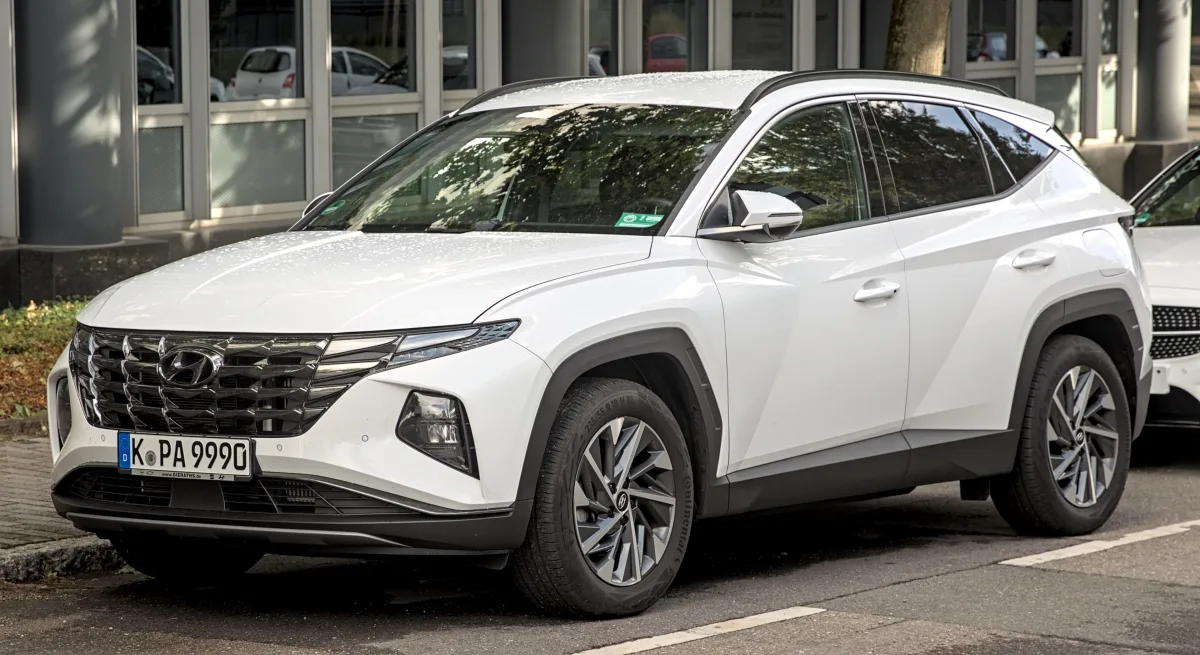
Hyundai Tucson: TL and NX4 generations, engines and trims
The Hyundai Tucson is one of the most popular compact crossovers in Europe and Lithuania, praised for its generous equipment, spacious cabin and long factory warranty. We review the two newest generations — TL (2015–2020) and NX4 (from 2020): how they differ, which engines and trims are the most common, and what to check when buying used.
ADVERTISEMENT
Tucson at a Glance
The first Tucson debuted in 2004, and from 2009 to 2015 it was replaced in Europe by the ix35. The Tucson name returned in 2015 alongside the TL generation. European-market cars are mostly built at the Hyundai plant in Nošovice, Czech Republic, and share mechanical underpinnings with the related Kia Sportage.
The Tucson competes with the Volkswagen Tiguan, Toyota RAV4, Nissan Qashqai and Kia Sportage. In many European countries, Hyundai offers a 5-year unlimited-mileage warranty on new cars, which transfers to subsequent owners as long as the vehicle has been serviced according to the manufacturer's schedule. Therefore, when buying a newer Tucson, it is worth checking if the warranty is still valid.
TL vs NX4 — What's the Difference?
The TL generation (2015–2020) is a tidy, spacious and practical crossover featuring a conventional, button-operated cabin. It received a facelift in 2018: updated lights and grille, a freestanding infotainment screen inside, the 1.6 CRDi replacing the 1.7 CRDi, and the most powerful 2.0 CRDi gaining a 48V mild-hybrid system.
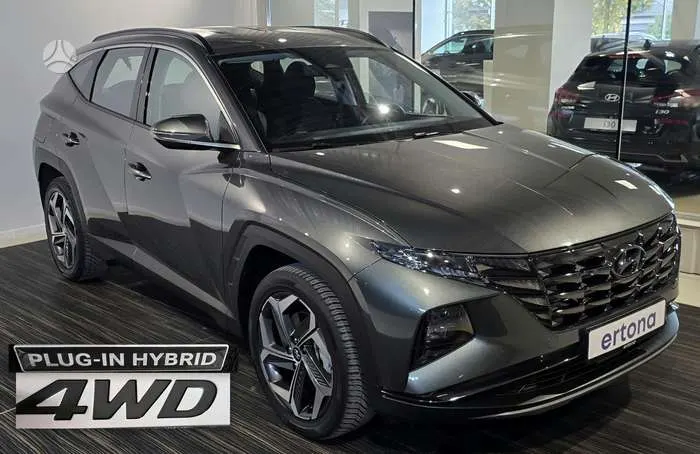
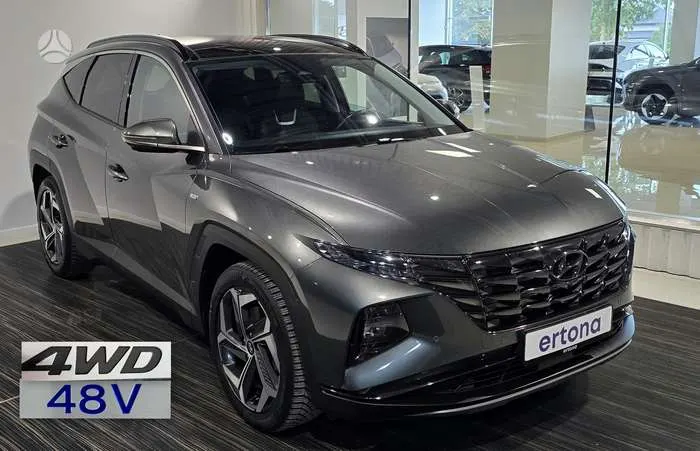
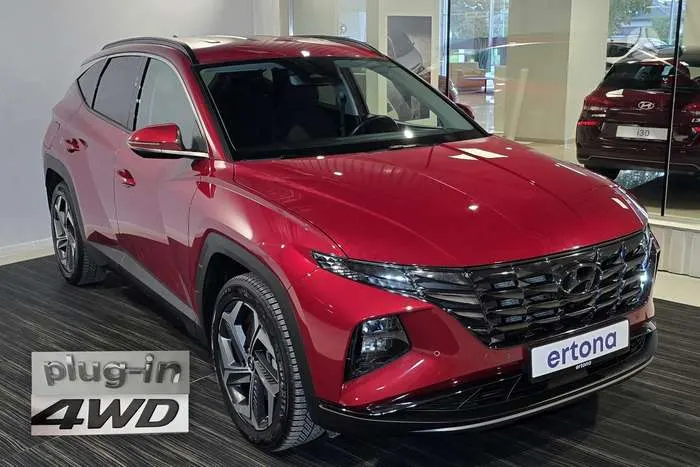
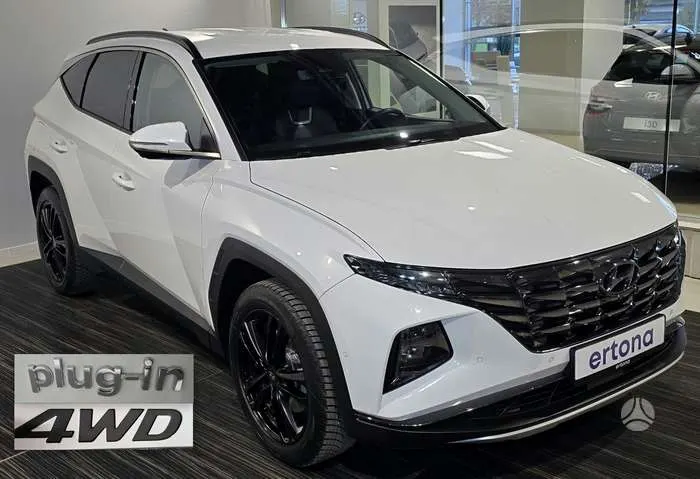
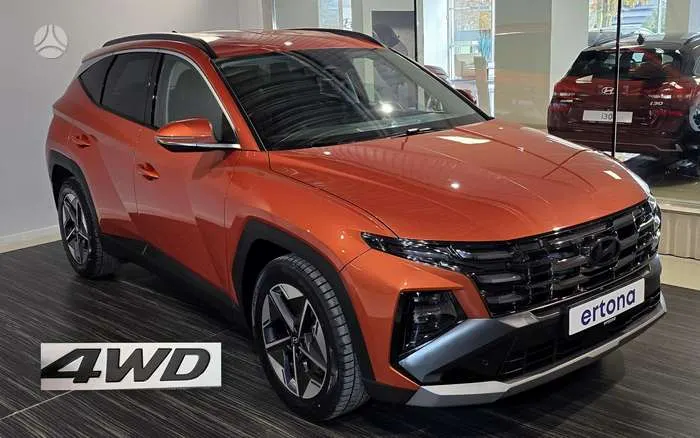
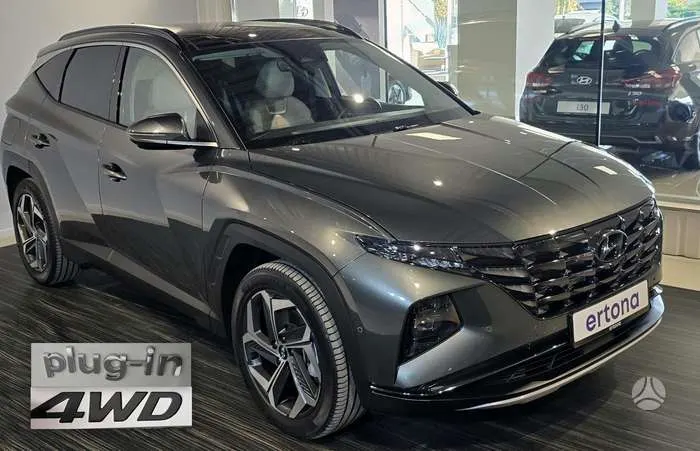
The NX4 generation (from 2020) stands out with bold styling — the daytime running lights are hidden within the grille. Inside, you'll find a digital instrument cluster and touch-sensitive controls, while hybrid and plug-in hybrid powertrains joined the lineup. The model was refreshed for 2024 with a revised front end and interior featuring a new dashboard layout.
A post-facelift TL from 2018 onwards is great for a tighter budget, whereas the NX4 is the choice for a modern interior, hybrid powertrains and remaining factory warranty.
Engines and Gearboxes
In the TL generation, the most common engines are the 1.6 GDi (132 hp) and 1.6 T-GDi (177 hp) petrols, and the 1.7 CRDi (115–141 hp) diesel, replaced by the 1.6 CRDi (115–136 hp) from 2018. The most powerful diesel engine is the 2.0 CRDi (136–185 hp).
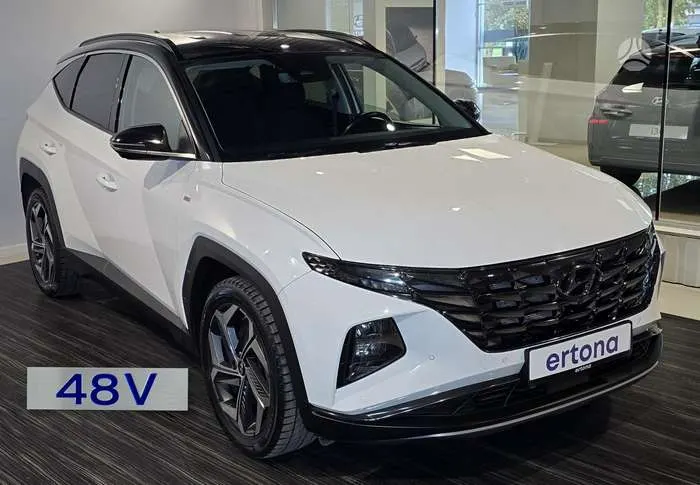
The NX4 generation features the 1.6 T-GDi (150 or 180 hp, often with a 48V mild-hybrid system), the HEV hybrid (around 230 hp), the PHEV plug-in hybrid (around 265 hp, always with all-wheel drive), and the 1.6 CRDi diesel (115–136 hp).
Gearboxes include a 6-speed manual, a 7-speed dual-clutch (7DCT), or a traditional automatic (TL with 2.0 CRDi, NX4 hybrids). All-wheel drive (branded as HTRAC in the NX4 generation) is offered with more powerful engines, but most cars are front-wheel drive.
What to Check When Buying a Used Tucson
On diesel models driven extensively in the city, check the diesel particulate filter (DPF) and EGR valve. The 7DCT transmission should engage smoothly without jerking or vibration; with a manual gearbox, check the clutch and dual-mass flywheel.
For direct-injection petrol engines (GDi, T-GDi), timely oil changes are crucial — ask for the service history and check whether the engine consumes excessive oil. On all-wheel-drive versions, ensure that the 4x4 coupling operates without humming or clunking noises.
On NX4 models, check the operation of the infotainment and assistance systems; on hybrids, look out for any error messages; and on PHEVs, test the charging equipment. Verify the remaining warranty, service history, and recall campaigns at an official Hyundai dealership using the VIN code.
ADVERTISEMENT
Trim Levels
Hyundai trim names vary by country and year; we list the German market names, which are frequently found among cars imported into Lithuania.
Trend
TL
Mid-range TL trim and the most common choice.
Alloy wheels
Often includes navigation and a rearview camera
Often includes heated seats and steering wheel
Premium
TL
Top-tier TL trim for comfort enthusiasts.
Often includes leather seats
Often includes a panoramic sunroof
Often includes a power tailgate
Select
NX4
Base NX4 trim.
Usually 17-inch alloy wheels
Essential safety and driver assistance systems
Often includes a rearview camera
Trend
NX4
The most popular NX4 trim — a great balance of price and equipment.
Often includes a digital instrument cluster and a larger navigation screen
Often includes heated seats and steering wheel
Often includes keyless start
Prime
NX4
Top-tier NX4 trim with the highest level of comfort features.
Often includes leather, ventilated seats
Often includes a panoramic sunroof
Often includes a power tailgate
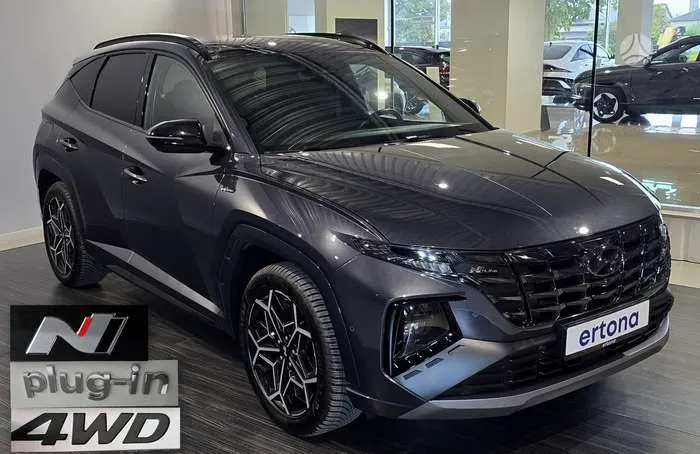
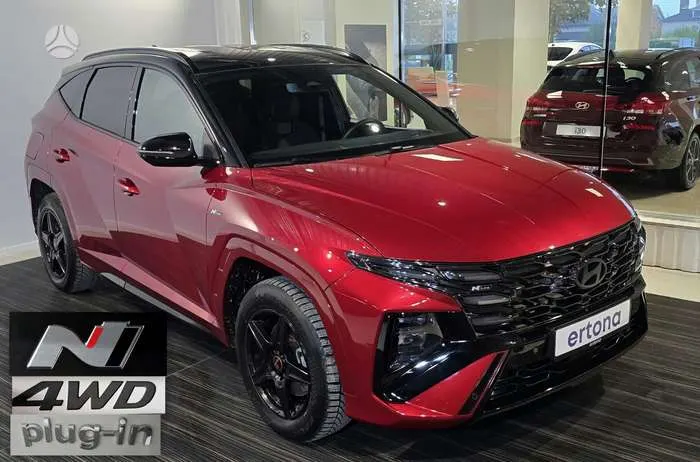
N Line
NX4
A sporty-looking version without a sports engine.
Unique bumpers and black exterior accents
Sport seats and N Line trim
Often includes 19-inch wheels
NX4 Generation Trim Comparison
Select
Trend
Prime
N Line
Who is it for?
For the rational buyer
For everyday family use
For comfort lovers
For sporty styling
Wheels (typically)
17 in
17–18 in.
18–19 in.
19 in.
Cabin
Standard
More comfort features
Often leather, ventilated seats
Sports seats, N Line trim
Used market price (relative)
€
€€
€€€
€€€
For most buyers, the best choice is the Trend with the 1.6 T-GDi or hybrid engine. Prime is worth choosing for comfort, N Line for looks, and the plug-in hybrid only if you have a place to charge it regularly.
Pros
Rich equipment and modern NX4 interior
Long factory warranty with unlimited mileage
Spacious cabin and generous boot
Wide powertrain choice – from diesel to plug-in hybrid
Cons
Holds its value well, so cheap used market offers are scarce
The base TL 1.6 GDi engine is a bit weak for this car
Early NX4 touch controls are not to everyone's taste
Frequently asked questions
Which Tucson generation is best when buying used?
For most buyers, the best choice is the post-facelift TL from 2018 onwards: refined and cheaper than the NX4. If a modern interior, hybrid powertrain and remaining factory warranty matter to you, choose the NX4.
How does the Hyundai Tucson differ from the Kia Sportage?
These models share a common platform and feature similar engines and gearboxes. They differ in design, interior layout, trim levels and warranty terms: Hyundai offers 5 years with unlimited mileage, while Kia offers 7 years or 150,000 km.
Which Tucson engine should you choose?
For mostly city driving, the 1.6 T-GDi or hybrid (HEV) is best, while the 1.6 CRDi diesel suits high-mileage out-of-town drivers. The plug-in hybrid (PHEV) only makes financial sense if you can charge it daily.
Does the Hyundai warranty apply when buying a used Tucson?
Usually yes – the 5-year warranty transfers to the next owner, provided the car was first sold in Europe and serviced according to the manufacturer's requirements. Check the exact terms and remaining coverage with an official Hyundai dealer using the VIN code.
Updated 2026-10-09 · Trim levels and equipment vary by market and model year — check the equipment of the specific car. · Translated automatically
Comments
No comments about the Hyundai Tucson yet. Share your experience.
We use necessary cookies to run the website. With your consent, we will also use analytics and advertising measurement cookies — to understand how the website is used and to measure our advertising results. Learn more
 English
 Lietuvių
 Latviešu
 Eesti
 Polski
 Русский
 Українська
 Deutsch
 Nederlands
 Čeština
 Slovenčina
 Svenska
 Norsk
 Dansk
 Suomi


 4