 English
 Lietuvių
 Latviešu
 Eesti
 Polski
 Русский
 Українська
 Deutsch
 Nederlands
 Čeština
 Slovenčina
 Svenska
 Norsk
 Dansk
 Suomi


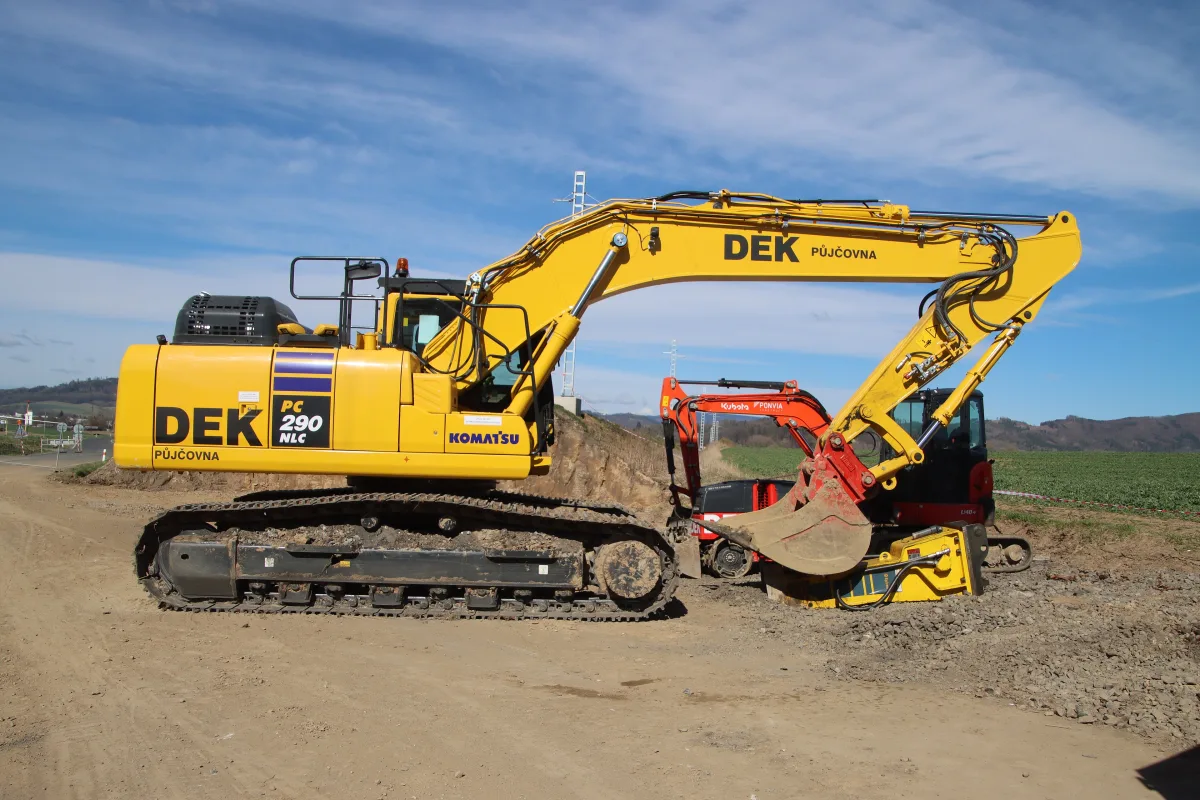
Komatsu PC290: 29–30 t excavator, generations and inspection
Komatsu PC290 — a heavy-duty crawler excavator with an operating weight of around 29–30 t. We review the -8, -10, and -11 series, key components, and what to check when buying a used PC290.






PC290 in brief
PC290 is heavier than the PC210 and lighter than the PC360, used in quarries, road construction, infrastructure, and heavy earthmoving. Its power is sufficient for intensive work, and its dimensions allow it to be transported with standard heavy-duty trailers.
This machine has been in production for a long time, so the used market offers both older and newer versions. It's used for digging, loading, and grading.
Series — what's the difference
Older versions are simpler, with less electronics. The -8 series improved comfort and efficiency; the -10 and -11 versions have stricter Stage-compliant engines, more advanced electronics, and hydraulics.
Versions with a longer undercarriage (LC) are often offered, providing more stability. Before purchasing, it's essential to determine the exact series and year of manufacture.
Engine and key components
The PC290 is powered by a six-cylinder Komatsu diesel engine. Newer versions feature SCR (AdBlue) and particulate filter systems, whose condition is crucial for the buyer.
Key components: hydraulic pumps and valve blocks, swing reducer and track roller frame, undercarriage with tracks, rollers, and idlers, boom and arm with buckets and quick couplers.
What to check when buying a used PC290
Check the engine hours and service history for any smoke, oil leaks, or if the hydraulic pressure is stable. If there's KOMTRAX, compare the data with the instrument cluster readings.
Pay particular attention to the ride and handling, steering feel, and the responsiveness of the steering wheel and gearshift. Check if the vehicle has been heavily used with a plough or digging attachments.


Versions and trims
Names and equipment vary by market and production year; we list the versions most commonly found in Europe.
PC290-8
-8 seriesAn older but still popular generation.
- Often — simpler electronics
- Lower price in the used market
- A thorough vehicle inspection is essential
PC290-10
-10 seriesA modern generation with a more economical engine.
- Often — SCR and particulate filter
- More comfortable cabin
- Often — KOMTRAX
PC290-11
-11 seriesNewer generation with more advanced electronics.
- Larger screen
- Often — advanced control system
- More efficient hydraulics
PC290LC
long wheelbaseMore stable version for heavy-duty work.
- Longer wheelbase
- Greater stability
- Wider tracks depending on the trim
PC290 version comparison
| PC290-8 | PC290-10 | PC290-11 | |
|---|---|---|---|
| Who it's for | For budget-conscious work | For daily intensive use | For intensive and efficient work |
| Engine technology | Older | Modern | Latest |
| Electronics | Basic | Mid-range | Top-tier |
| Price in the used market (relatively) | Mid-range | High-end | Premium |
For budget-heavy work, the PC290-8 with a good history often fits the bill. If fuel efficiency and the latest systems are important, look for the -10 or -11.
Pros
- High power and robust build
- KOMTRAX remote monitoring
- Good parts and service availability
- Holds its value well
Cons
- Expensive to maintain
- Newer versions with SCR and particulate filters require maintenance
- Transport requires specialist equipment
Frequently asked questions
What is the weight of the Komatsu PC290?
Operating weight is around 29–30 tonnes, depending on the series and configuration. Check the exact weight in the documentation.
How does the PC290 differ from the PC210?
The PC290 is heavier, more powerful, with a deeper digging reach and better accessibility. The PC210 is suited to lighter tasks and is more affordable.
What is KOMTRAX?
It's Komatsu's remote monitoring system, showing machine operating hours, location, and other data. It makes it easier to verify the actual usage history.
Updated 2026-10-21 · Trim levels and equipment vary by market and model year — check the equipment of the specific car. · Translated automatically


