 English
 Lietuvių
 Latviešu
 Eesti
 Polski
 Русский
 Українська
 Deutsch
 Nederlands
 Čeština
 Slovenčina
 Svenska
 Norsk
 Dansk
 Suomi


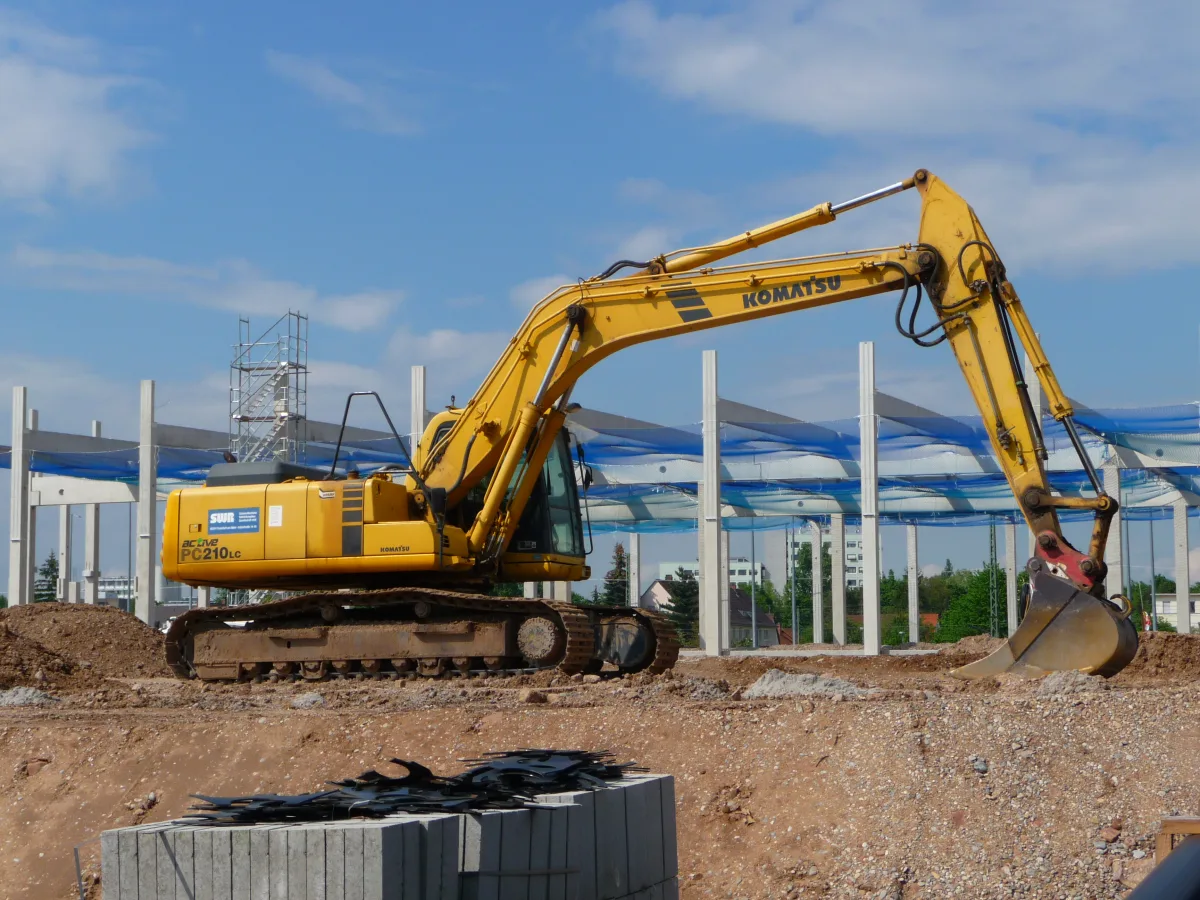
Komatsu PC210: 20–22 t excavator, generations and inspection
Komatsu PC210 — a mid-sized tracked excavator with an operating weight of around 21–23 t. We review the -6, -8, -10, and -11 series, engines, hydraulics, and what to check when buying a used PC210.






PC210 in brief
PC210 is one of Komatsu's most popular machines, used for digging, loading, and road and utility work. It often competes with the Cat 320 and Volvo EC210, so there's a wide selection in the used market.
Valued for its reliability, clear hydraulics, and readily available parts. Often fitted with KOMTRAX remote monitoring, allowing you to track working hours and location.
Series — what's the difference
The PC210-6 is an older, simpler generation; the -8 series already features a more modern cab and a more economical engine; the -10 and -11 versions boast stricter Stage emission engines and more advanced electronics.
You often come across the letter LC, indicating a longer undercarriage, and NLC — with a narrower undercarriage. The choice depends on working conditions: a longer undercarriage is more stable, a narrower one is easier to transport.
Engines and key components
The PC210 uses a six-cylinder Komatsu diesel engine, typically around 150–170 HP. Newer versions feature SCR (AdBlue) and particulate filter systems, so their condition is crucial.
Key components: main pumps, valve block, swing reducer and gear, undercarriage with tracks, rollers, and idlers, boom and arm with cylinders and pins.
What to check when buying a used PC210
Check the engine hours and compare with KOMTRAX data if available. Listen to the engine, check for smoke, oil leaks, and ensure hydraulic pressure remains stable under load.
Assess the car's handling, steering, and braking, the condition of the steering wheel and gearshift, and the operation of the indicators and wipers. Check if the car hasn't been heavily used with a jack — this often indicates hydraulic issues.


Versions and trims
Names and equipment vary by market and production year; we list the versions most commonly found in Europe.
PC210-6
older seriesSimpler technology, plenty of older examples.
- Often — simpler electronics
- Lower price
- A thorough inspection of the car is essential
PC210-8
mid-agedA modern and still popular generation.
- More comfortable cabin
- Often — KOMTRAX
- More economical engine
PC210-10
newer generationModern tech with stricter standards.
- Often — SCR and particle filter
- More advanced electronics
- More efficient hydraulics
PC210-11
latest generationLatest generation solutions.
- Often — advanced control system
- Larger screen
- Selectable slope control functions
PC210 series comparison
| PC210-6 | PC210-8 | PC210-10 | |
|---|---|---|---|
| Who it's for | For budget work | For everyday work | For intensive and efficient work |
| Engine technology | Older | Mid-age | Modern, with SCR |
| Electronics | Basic | Mid-range | More advanced |
| Price in the used market (relatively) | € | €€ | €€€ |
The PC210-8 with a good history often suits budget work. If fuel efficiency and modern systems are important, look for a -10 or newer.
Pros
- A reliable and widely used class
- KOMTRAX remote monitoring
- Good parts and service availability
- Holds its value well
Cons
- Newer versions with SCR and particulate filters require maintenance
- Expensive to maintain
- Some older models have very high mileage
Frequently asked questions
How much does a Komatsu PC210 weigh?
Operating weight is usually around 21–23 t, depending on the series and configuration. Check the exact weight in the documentation.
What's the difference between the PC210 and PC210LC?
The LC stands for a longer undercarriage, which provides more stability, but the machine is wider and heavier. The NLC is narrower and easier to transport.
What is KOMTRAX?
It's Komatsu's remote monitoring system, showing the machine's operating hours, location, and other data. It makes it easier to verify the actual usage history.
Updated 2026-10-21 · Trim levels and equipment vary by market and model year — check the equipment of the specific car. · Translated automatically


