 English
 Lietuvių
 Latviešu
 Eesti
 Polski
 Русский
 Українська
 Deutsch
 Nederlands
 Čeština
 Slovenčina
 Svenska
 Norsk
 Dansk
 Suomi


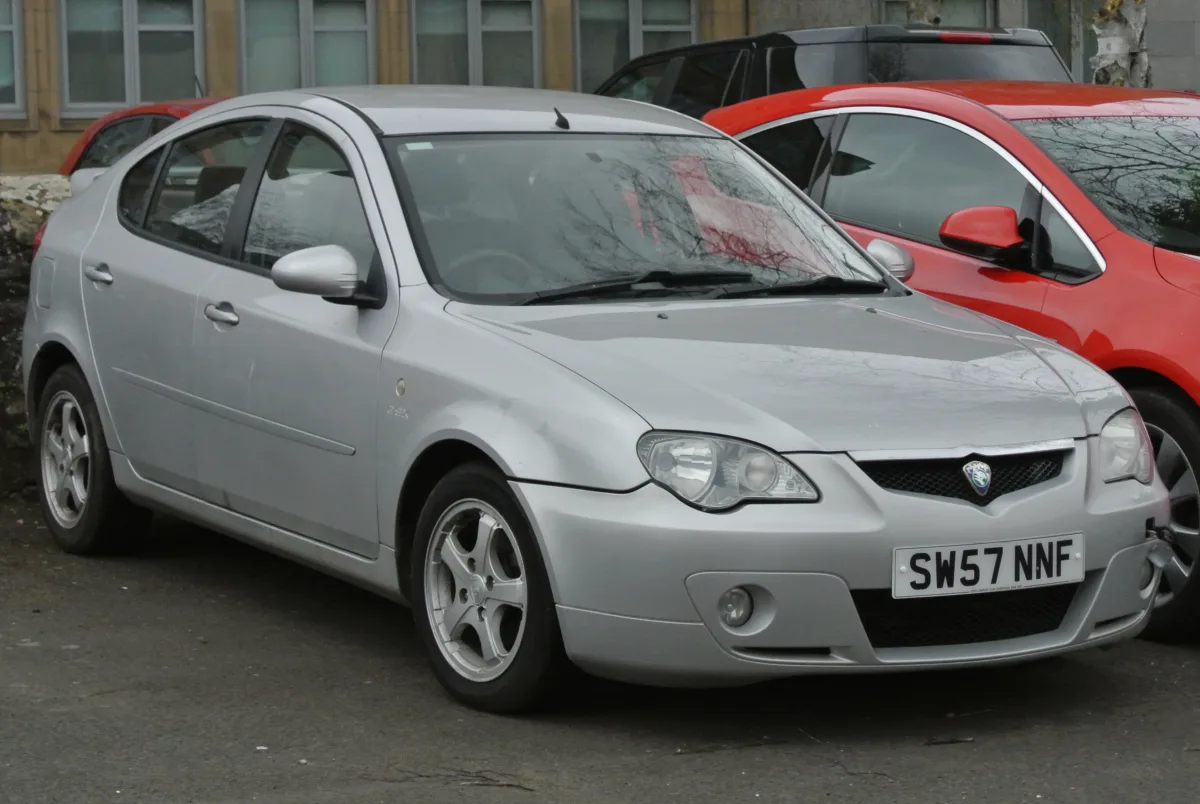
Proton Gen-2: 2004–2012 hatchback, engines, and buying advice
Proton Gen-2 — A compact hatchback created in Malaysia, launched in 2004 and sold in some European markets as a budget alternative to the Volkswagen Golf or Ford Focus. We look at the engines, trims, and what to check when buying a used Gen-2.






Gen-2 in brief
The Gen-2 was the first Proton model to feature the in-house CamPro engine. The body is a five-door hatchback, and the chassis was developed with Lotus, giving the car much better handling than you'd expect for the price.
The Gen-2 is rarely seen in Lithuania, usually imported from Great Britain or other markets. Due to its limited presence, parts and service availability are restricted.
Early and later Gen-2
Early Gen-2 models (2004–2008) had simpler interiors and fewer features. They can often be identified by their basic trim and older infotainment system.
Later models (from around 2008) received a refreshed exterior and interior, and the Persona sedan was also based on this platform. The updated model is better equipped, but the mechanicals remained largely unchanged.
Engines and gearboxes
The most common engine is the 1.6-litre CamPro petrol unit, producing around 110 hp. Smaller engines were offered in some markets, but the 1.6-litre is the most prevalent in Europe.
Transmission — manual five-speed or automatic (usually four-speed). Front-wheel drive. The engine isn't particularly powerful, but the car is lively enough and handles well due to its light construction.
What to check when buying a used Gen-2
First, inspect the body and undercarriage — corrosion protection isn't the best, so check for rust on the sills, arches, and door bottoms. Also, check for repainted parts and even gaps.
Test the engine when cold and warm: there shouldn't be any oil leaks, smoking, or uneven running. Check the transmission, clutch, brakes, and suspension.
Parts availability in Lithuania is limited, so before buying, make sure you can find the necessary parts. Ask for all documents and service history.


Trim levels
Trim names vary across markets, so we list the main levels.
M-Line
2004 onwardsBase trim.
- Often — steel wheels
- Simple interior trim
- Standard equipment
H-Line
2004 onwardsHigher trim with more comfort features.
- Often — alloy wheels
- Often — air conditioning
- Often — electric windows
GSX
2004 onwardsThe sportier, usually fully-equipped version.
- Often — alloy wheels
- Often — higher-quality interior
- Often — more features
Comparison of base trims
| M-Line | H-Line | GSX | |
|---|---|---|---|
| Who it's for | For the budget-conscious | For comfort | For those seeking a well-equipped car |
| Engine | 1.6-litre | 1.6-litre | 1.6-litre |
| Gearbox | Manual | Manual or automatic | Manual or automatic |
| Price in the used market (relatively) | € | € | €€ |
The Gen-2 is ideal for those seeking an affordable, practical hatchback with above-average handling. When buying, opt for examples with good body condition and a clean history file.
Pros
- Sharp handling thanks to Lotus-tuned suspension
- Low purchase price
- Practical five-door hatchback
- Simple manual transmission
Cons
- Few parts and servicing options in Lithuania
- Weak corrosion protection
- Low market presence — hard to resell
Frequently asked questions
Is the Gen-2 really tuned by Lotus?
Yes, Proton confirmed that the suspension was developed in collaboration with Lotus, making handling one of the model's strong points.
What engine does the Gen-2 have?
Most commonly a 1.6-litre CamPro petrol, around 110hp. Depending on the market, other variants may be available.
Is the Gen-2 reliable?
It's straightforward and no-frills, but it's not as reliable as its Japanese rivals. The condition of the example and whether it's been properly maintained are crucial.
Updated 2026-10-21 · Trim levels and equipment vary by market and model year — check the equipment of the specific car. · Translated automatically


