 English
 Lietuvių
 Latviešu
 Eesti
 Polski
 Русский
 Українська
 Deutsch
 Nederlands
 Čeština
 Slovenčina
 Svenska
 Norsk
 Dansk
 Suomi


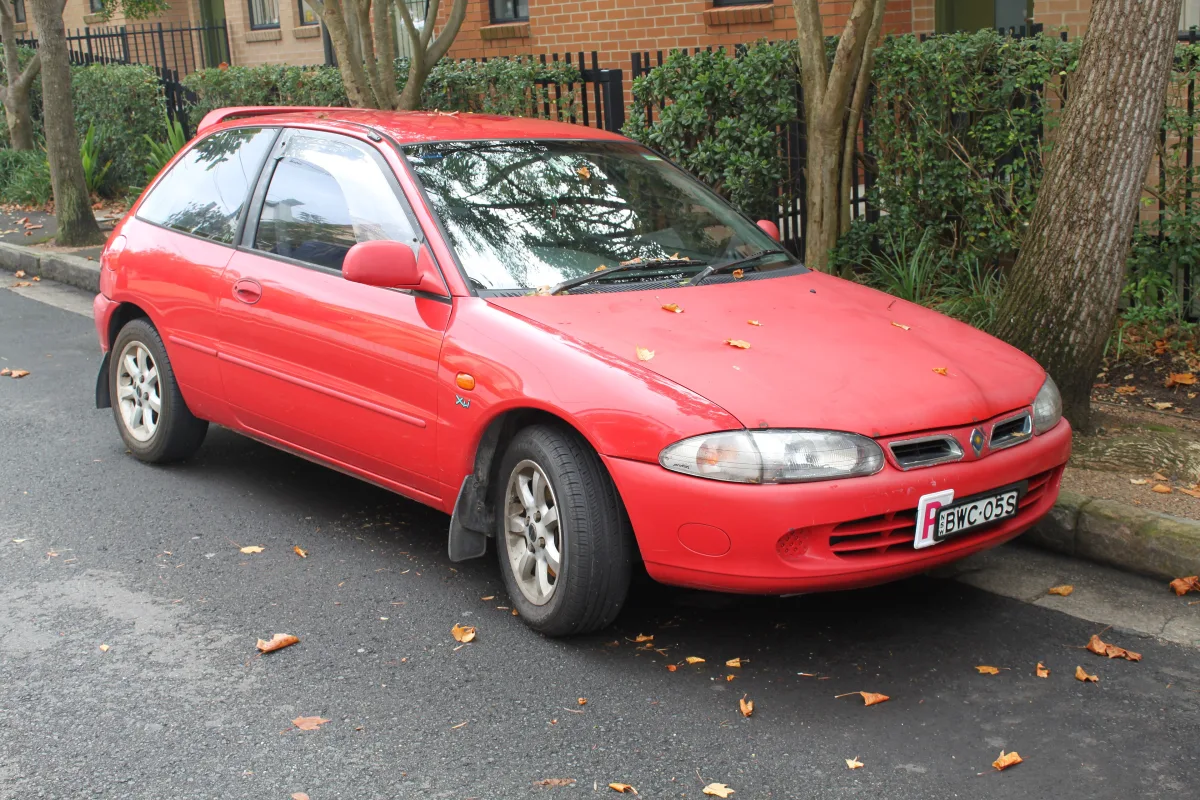
Proton Satria: hatchback engines, the GTi version and what to check
The Proton Satria is a compact hatchback from the Malaysian manufacturer, produced since 1994 in collaboration with Mitsubishi. The first-generation Satria was even sold in Europe, including the UK. We look at the versions, engines, and what to check when buying.






The Satria in brief
The Satria is a small three-door hatchback based on Mitsubishi Colt/Mirage technology. As a result, many mechanical parts – engines, gearboxes, and suspension – are well-known and straightforward.
The car is renowned for its great handling, especially the sporty GTi version, whose suspension was tuned by Lotus – the sports car manufacturer that was owned by Proton at the time.
Which version to choose
Most Satria models were sold with naturally aspirated petrol engines – from the budget-friendly 1.3-litre version to the 1.6-litre. These are ideal as a simple city car or a first car.
The Satria GTi is the sporty version with a more powerful 1.8-litre engine, special suspension, and sporty trim. It's the most desirable version but also the one most likely to have been modified or heavily driven, so condition is key here.
Engines and gearboxes
The Satria was offered with 1.3, 1.5, and 1.6-litre petrol engines, while the GTi came with a 1.8-litre DOHC engine (around 130–140 hp). Gearboxes were manual or automatic.
All engines are of Mitsubishi origin, so parts and knowledge can be found through Mitsubishi-related model suppliers. Front-wheel drive is standard across all versions.
What to check when buying a used Satria
Older cars are most susceptible to corrosion: sills, wings, floors, and rear wheel arches. Inspect the body from underneath and look for raised paint bubbles.
Check the service history of the timing belt replacement, the condition of the cooling system, and engine oil leaks. The gearbox should engage smoothly.
GTi versions are often modified, so ask for information about all modifications. Finding spare parts, especially for the body and interior, can take time.


Trim levels
Trim names vary by market and year; here we list versions by engine.
Satria 1.3
1994–2005The cheapest version with a 1.3-litre engine.
- 1.3-litre petrol engine
- Basic equipment
- Manual gearbox
Satria 1.5
1994–2005Most commonly encountered daily driver version.
- 1.5-litre petrol engine
- Often — electric windows
- Often — manual or automatic gearbox
Satria 1.6
1994–2005More powerful daily driver version.
- 1.6-litre petrol engine
- Often — additional comfort features
- Often — lightweight alloy wheels
Satria GTi
1994–2005Sporty version with Lotus-tuned suspension.
- 1.8-litre engine
- Sporty suspension
- Often — sporty seats and wheels
Comparing versions
| 1.3 | 1.5 | 1.6 | GTi | |
|---|---|---|---|---|
| Who it's for | Budget-friendly option | For daily use | For slightly more dynamic driving | For enthusiasts |
| Wheels (usually) | 13 inch | 14-inch | 14–15-inch | 15-inch |
| Interior | Base | Comfort | Comfort | Sport |
| Engine | 1.3 | 1.5 | 1.6 | 1.8 |
| Price in the used market (relatively) | Budget | Budget | Budget | Mid-range |
The 1.5 or 1.6-litre Satria is suitable for daily use if the body is in good condition. The GTi is worth considering only if you find an original, unmodified, and well-maintained example.
Pros
- Simple Mitsubishi-derived mechanics
- The GTi version offers good handling
- Low price
- Compact dimensions
Cons
- Very rare in Lithuania and some parts are hard to find
- Risk of corrosion
- Less advanced safety and comfort features from an older era
Frequently asked questions
Who made the Proton Satria?
The Satria was created by Proton in collaboration with Mitsubishi, so its technology is linked to the Mitsubishi Colt/Mirage.
What makes the Satria GTi special?
The GTi had a more powerful 1.8-litre engine and a special Lotus-tuned suspension, making it prized for its handling.
Is the Satria reliable?
The mechanics are simple, and the engines are well-known, but age, corrosion, and the lack of maintenance in many cars mean that the most important thing is to check the condition of the specific car.
Updated 2026-10-21 · Trim levels and equipment vary by market and model year — check the equipment of the specific car. · Translated automatically


