 English
 Lietuvių
 Latviešu
 Eesti
 Polski
 Русский
 Українська
 Deutsch
 Nederlands
 Čeština
 Slovenčina
 Svenska
 Norsk
 Dansk
 Suomi


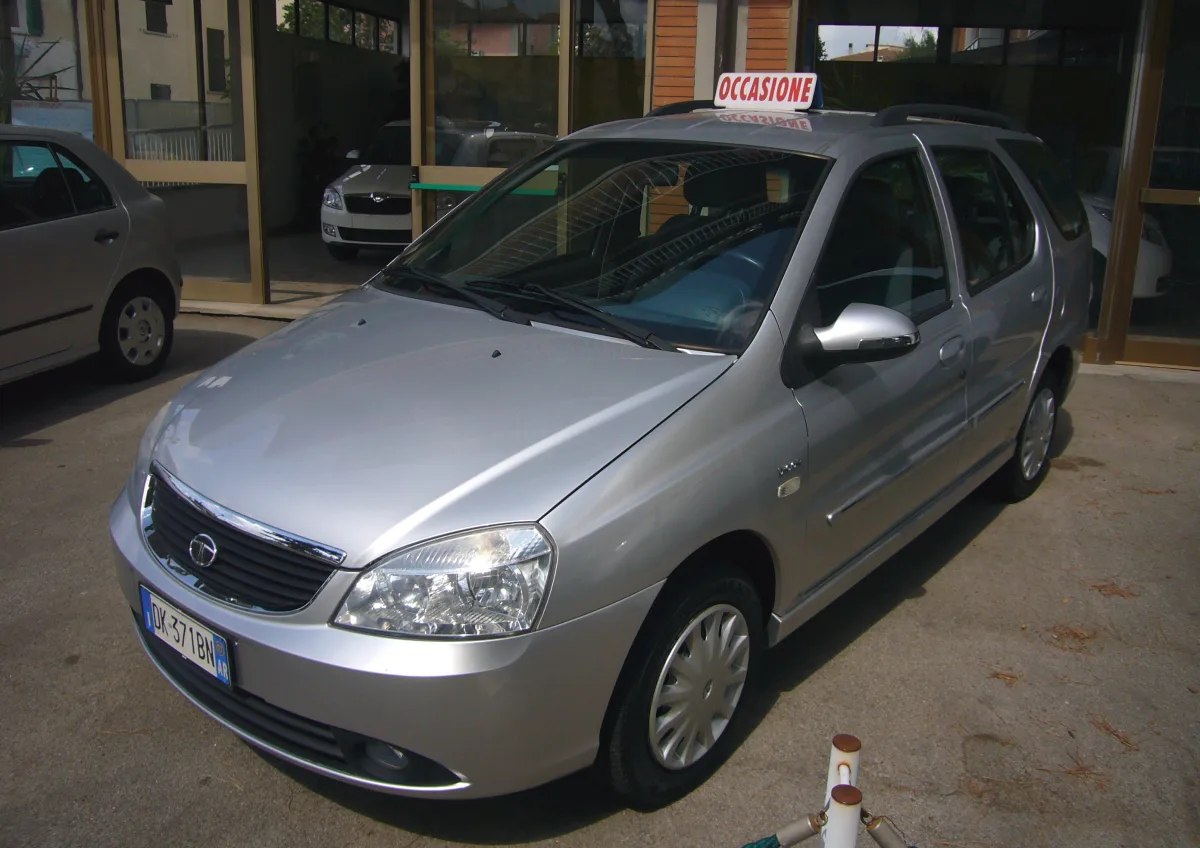
Tata Indigo: 2002–2018 sedans and estate, engines and buying advice
The Tata Indigo is an Indian compact sedan and estate (Indigo SW / Marina), based on the Tata Indica and sold in some European markets. We look at how the body styles differ, which engines are fitted, and what to check when buying a used Indigo.






Indigo in brief
The Indigo debuted in 2002 as a sedan based on the Tata Indica, with a longer rear end and separate boot. Later came the estate, known as the Indigo SW (Marina in some markets). The car is designed for economical, practical use, not luxury.
The Indigo is rare in Lithuania, usually imported from Italy, the UK, or other markets. Due to its limited presence, parts and specialist support are scarce.
Sedan and estate
The sedan has a separate boot, making it more like a classic small car. The estate (SW) has a larger, more practical boot, making it suitable for families or hauling goods.
Later came newer Indigo variants, such as the Indigo CS or eCS, aimed mainly at the Indian market. It's important to check ads to see which specific model is being discussed.
Engines and gearboxes
In European markets, the Indigo typically came with a 1.4-litre petrol engine and a 1.4-litre diesel. Power is modest, around 70–85 hp, so the car is suited to relaxed driving, not performance.
Gearbox — manual, five-speed, front-wheel drive. This is a simple, uncomplicated design that's easy to maintain, but quality and longevity vary compared to more reliable competitors.
What to check when buying a used Indigo
First, inspect the body — corrosion protection isn't robust, so check for rust on the sills, arches, and underside. Ensure there are no repainted parts or signs of previous accidents.
Test the engine when cold and hot, the clutch, gearbox, brakes, and suspension. For diesel versions, check if the engine runs smoothly, doesn't smoke, and has no oil leaks.
Parts availability is limited, so before buying, make sure you can find the necessary components. Ask for all documents and service history.


Trim levels
Trim names vary across markets, so we outline the main levels.
Bazinė komplektacija
all versionsBasic trim.
- Steel wheels
- Simple interior trim
- Less comfort equipment
GLX
all versionsHigher trim level.
- Often — air conditioning
- Often — electric windows
- Often — central locking
Indigo SW (universalas)
from 2004Estate body with larger boot.
- Larger boot
- Suitable for family and cargo
- Less common than a saloon
Comparison of main variants
| Bazinė | GLX | SW | |
|---|---|---|---|
| Who it's for | Best for budget-conscious buyers | For comfort | For family and cargo |
| Engine | 1.4-litre petrol or diesel | 1.4-litre petrol or diesel | 1.4-litre petrol or diesel |
| Body | Saloon | Saloon | Versatile |
| Price in the used market (relatively) | € | € | € |
The Indigo is ideal for those who need an affordable and straightforward car. When buying, opt for examples with good body condition and a clean history of documentation.
Pros
- Very low purchase price
- Simple manual transmission
- A practical estate variant
- Minimal electronics
Cons
- Lower quality than Japanese or European competitors
- Fewer parts and service options
- Poor corrosion protection
Frequently asked questions
Are the Indigo and Indica the same?
No, but they are closely related. The Indigo is a sedan based on the Indica, while the estate version is called the SW or Marina.
What engine does the Indigo have?
In Europe, it's usually a 1.4-litre petrol or 1.4-litre diesel engine, with power outputs around 70–85 hp.
Can you find Indigo parts in Lithuania?
Parts can be ordered through specialist dealers, but the selection is limited.
Updated 2026-10-21 · Trim levels and equipment vary by market and model year — check the equipment of the specific car. · Translated automatically


