 English
 Lietuvių
 Latviešu
 Eesti
 Polski
 Русский
 Українська
 Deutsch
 Nederlands
 Čeština
 Slovenčina
 Svenska
 Norsk
 Dansk
 Suomi


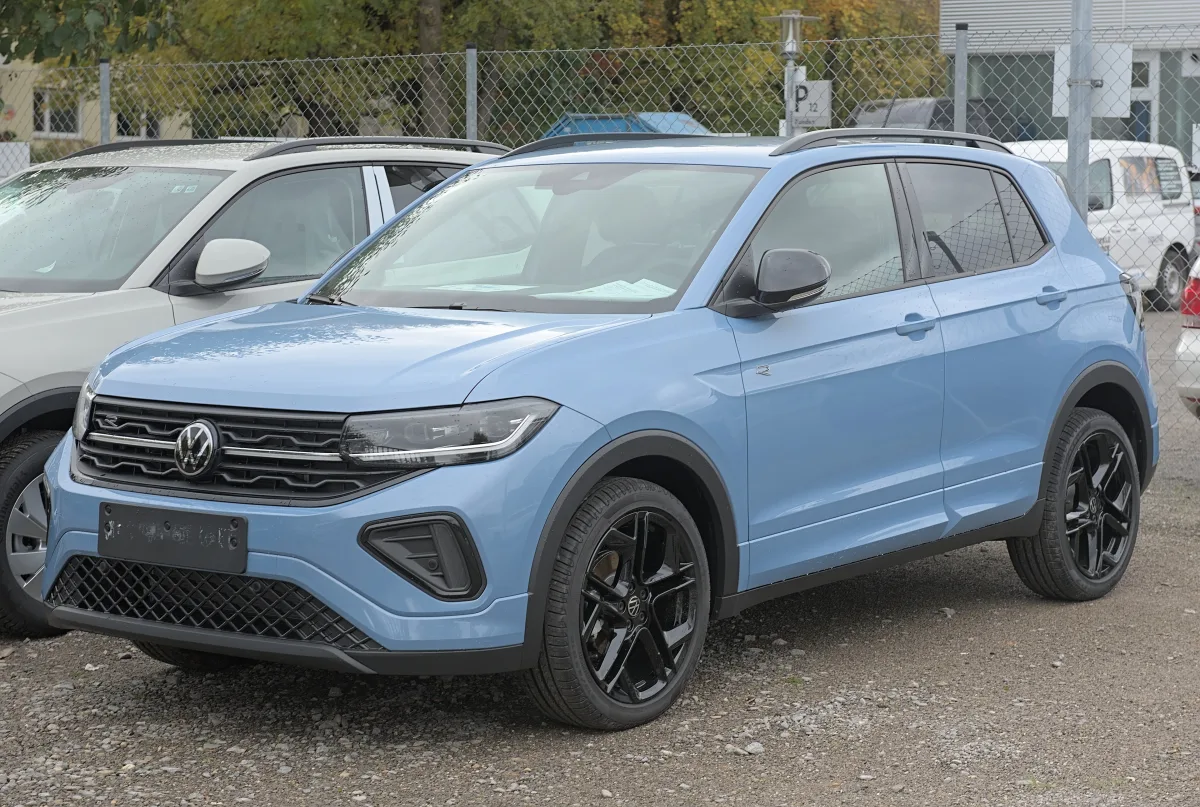
Volkswagen T-Cross: generations, engines and trims
The Volkswagen T-Cross is the smallest VW crossover, built on the Polo platform and produced since 2019. We look at how the cars differ before and after the 2024 refresh, which engines and trims are most common, and what to check when buying used.






T-Cross in brief
The T-Cross is built on the MQB A0 platform, which is also used by the Polo, so it's compact on the outside — around 4.1–4.2 m in length, but more spacious inside than you might expect. Its standout feature is the sliding rear seat: pushing it forward increases boot space, pushing it back gives more legroom.
The T-Cross doesn't have four-wheel drive — it's designed for city driving and daily commutes. The model is popular with buyers who want a higher driving position than the Polo, but don't want something larger and more expensive like the T-Roc.
Before and after the 2024 refresh — what's changed
The first T-Cross models (2019–2023) are practical and straightforward, but the interior has plenty of hard plastics. The equipment very much depends on the trim: base models often come with just basic multimedia, and the digital instrument cluster was an optional extra. These are the most common used cars on the market.
The 2024 refreshed T-Cross gets new bumpers and headlights, with matrix IQ.LIGHT available if desired, plus a revamped instrument cluster with softer trim and a separate multimedia screen. The digital instrument cluster has become more common, so the refreshed cars look more modern inside.
The technology hasn't fundamentally changed with the updates, so when choosing between versions, it mostly comes down to budget, cabin quality, and desired features.
Engines and gearboxes
The base engine is the three-cylinder 1.0 TSI petrol, usually around 95 or 110–116 hp. The most powerful version is the 1.5 TSI (150 hp), often paired with DSG. For the first few years, a 1.6 TDI diesel was also offered, but it's rare in the used market.
The less powerful 1.0 TSI comes with a 5-speed manual gearbox, while the more powerful versions get a 6-speed manual or 7-speed dry-clutch DSG.
The most sensible choice is the 1.0 TSI with around 110–116 hp: it's plenty for urban driving. The 95 hp version feels best in the city, while the 1.5 TSI is ideal for those who prioritise performance and often drive with a full car.
What to check when buying a used T-Cross
The DSG gearbox should shift smoothly, especially when pulling away and driving slowly in traffic — juddering or jolts often indicate a need for clutch or mechatronics repair. Check the clutch in a manual car.
Ask for the service history: it's crucial to change the oil on time for small turbo engines. Test the mechanism for the sliding rear seats, the multimedia system, and parking sensors, and check that the cabin plastics aren't heavily scuffed.
Many T-Cross models are used in the city, so check the bumpers, wheel arches, and sills. Verify the ride height against service records and technical inspections, and check the body for repainted parts.


Trim levels
Names and equipment vary by market and year; we list the most commonly found trims in Europe.
T-Cross
Up to 2024The base trim is the most basic and affordable.
- Often steel wheels
- A simpler infotainment system
- Often a manual air conditioner
Life
Both versionsThe most popular choice offers a good balance of price and features.
- Light alloy wheels
- Often parking sensors
- Often adaptive cruise control
Style
Both versionsComfort and style pack.
- Larger wheels and more chrome details
- Often automatic climate control
- Often a digital instrument cluster
R-Line
Both versionsSporty styling version.
- Sporty bumpers and alloy wheels
- Sport seats
- Often — tinted rear windows
T-Cross trim comparison
| Life | Style | R-Line | |
|---|---|---|---|
| Who it suits | For daily driving | For comfort and style | Sporty styling |
| Alloy wheels (usually) | 16-inch | 17-inch | 17–18-inch |
| Interior | Standard | Luxurious interior | Sport seats |
| Engine | 1.0 TSI | 1.0–1.5 TSI | 1.0–1.5 TSI |
| Price in the used market (relatively) | € | €€ | €€ |
For most buyers, the Life or Style trims with the 110–116 hp 1.0 TSI engine are the best bet. The R-Line is worth considering for its looks — the tech is the same.
Pros
- Compact and city-friendly
- Rear seats fold flat and the boot is spacious
- High driving position
- Economical petrol engines
Cons
- Pre-facelift models have plenty of hard plastics inside
- Not all trims come with four-wheel drive
- Repairs to the dry-clutch DSG can be pricey
Frequently asked questions
How does the T-Cross differ from the T-Roc?
The T-Cross is smaller and built on the Polo platform, while the T-Roc is larger, closer to the Golf, and available with four-wheel drive. The T-Cross is more affordable and city-friendly, while the T-Roc is sturdier and quieter on the road.
Is the T-Cross suitable for a family?
For a small family, often yes: the sliding rear seat allows you to choose between a larger boot and more space for passengers. However, for long journeys with four adults and lots of luggage, a larger car will be more comfortable.
Which T-Cross engine is the best?
For most buyers, the 1.0 TSI with around 110–116 HP: it's sufficiently dynamic and economical. The 95 HP version is best for city driving, while the 1.5 TSI is ideal for those who prioritise performance.
Updated 2026-10-10 · Trim levels and equipment vary by market and model year — check the equipment of the specific car. · Translated automatically


