 English
 Lietuvių
 Latviešu
 Eesti
 Polski
 Русский
 Українська
 Deutsch
 Nederlands
 Čeština
 Slovenčina
 Svenska
 Norsk
 Dansk
 Suomi


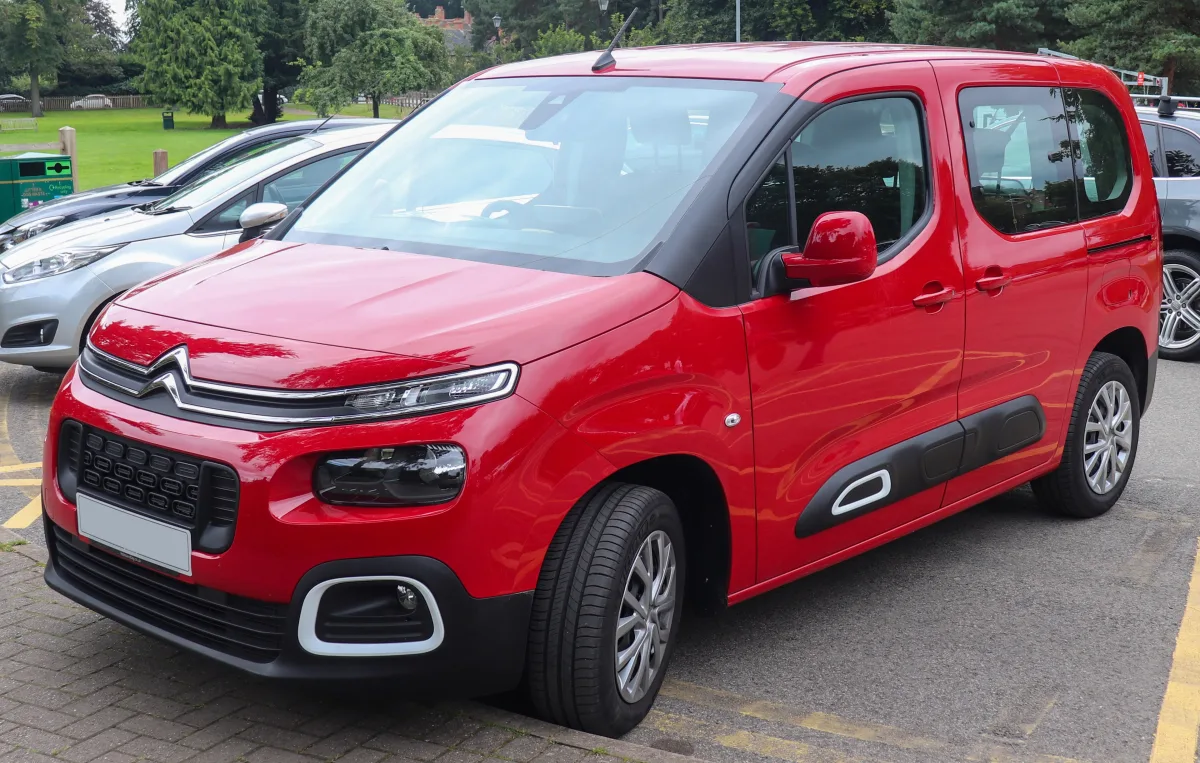
Citroën Berlingo: II and III generations, engines and trims
The Citroën Berlingo is a practical van and people carrier that has been in production since 1996 and is popular with both families and business customers. We look at how the II and III generations differ, which engines are the most popular, how the trims vary, and what to check before buying.






Berlingo in brief
The Berlingo has been produced in three generations: I (1996–2008), II (2008–2018) and III (from 2018). There have always been two main versions — the cargo van (Van) and the passenger version with side windows, which Citroën called the Multispace in the second generation.
The Berlingo has 'twins': the II generation shares its platform with the Peugeot Partner, while the III generation is related to the Peugeot Rifter and Partner, Opel Combo and Toyota ProAce City. The technology is essentially the same, but they differ in appearance, equipment and price.
Buyers appreciate it for its spacious boot, sliding side doors, numerous storage compartments and affordable running costs. As a result, the Berlingo is often chosen by families, travellers and small businesses.
II and III generations — what's the difference
The II generation (2008–2018) is larger and more comfortable than the first, and it has the biggest offering in the used market. Around 2015, the cars received newer BlueHDi diesel engines and slightly more modern equipment. Many of these cars were used for business, so the mileage is often high.
Third generation (from 2018) built on a more modern platform, so it's quieter, safer and more reminiscent of a light car. It comes in two lengths — standard (M) and longer XL, which can have seven seats.
From 2021, the electric ë-Berlingo is also offered. It's ideal for those who drive mostly in the city and suburbs, especially those who can charge the car at home or at work.
Engines and gearboxes
In the second generation, you'll most commonly find 1.6 HDi and e-HDi diesels (around 75–115 hp), later the 1.6 BlueHDi. Petrol 1.6-litre engines are less common — diesels are more frequently seen in the used market.
The third generation is primarily based on the 1.5 BlueHDi diesel (around 75–130 hp) and the 1.2 PureTech petrol engine (around 110–130 hp). Early commercial vehicles may still have the 1.6 BlueHDi.
Most cars come with manual gearboxes. In the second generation, the e-HDi is sometimes paired with the robotised ETG6 box, while in the third generation, more powerful engines come with the 8-speed automatic EAT8.
What to check when buying a used Berlingo
Many Berlingos were used as workhorses, so first assess the overall condition: check the sliding door runners and hinges, the rear suspension, wear and tear in the cabin and load area. If the passenger version has been converted from a van, check that the modifications are registered.
In 1.6 HDi engines, check the turbocharger and injector seals — leaks around the injectors and oil supply issues are well-known problems for these engines. In BlueHDi engines, check the AdBlue system and diesel particulate filter (DPF).
The timing belt for the 1.2 PureTech engine runs in oil, so ask when it was last changed and if the manufacturer-recommended oil was used. When buying an ë-Berlingo, request a battery condition report.


Trim levels
Names and equipment vary by market and year; we list the most commonly found trim levels in Europe.
Multispace
Second generationThe second-generation estate version with side windows and rear seats.
- Sliding side doors on both sides
- Often — Modutop roof storage box
- Often — air conditioning and rear seats that can be removed or folded flat
XTR
Second and third generationA more rugged version for adventurers.
- Body protection details and distinctive alloy wheels
- Often — a slightly larger ground clearance
- Often — Grip Control traction system
Live
Third generationBase trim for the third-generation passenger version.
- Often comes with steel wheels
- Air conditioning and basic infotainment
- Sliding side doors on both sides
Feel
Third generationThe most popular choice for families.
- Often features a touchscreen infotainment display
- Often includes rear parking sensors
- More storage space, often with Modutop
Shine
Third generationTop-spec trim for the third generation.
- Light-alloy wheels
- Often features automatic climate control and a rear-view camera
- More driver-assistance systems
Comparison of third-generation trims
| Live | Feel | Shine | |
|---|---|---|---|
| Who it's for | For the tightest budgets | Ideal for families and daily driving | For those seeking maximum comfort |
| Alloy wheels (most often) | Steel wheels with hubcaps | Steel or light-alloy wheels | Light-alloy wheels |
| Interior | Basic, practical trim | More storage space, often with Modutop | Better trim and more equipment |
| Engine | 1.2 PureTech, 1.5 BlueHDi | 1.2 PureTech, 1.5 BlueHDi, electric | More powerful, sometimes with EAT8 |
| Price in the used market (relatively) | € | €€ | €€€ |
The best choice for families is the Feel trim with either the 1.5 BlueHDi or 1.2 PureTech engine. If you often carry seven passengers or a lot of cargo, look for the longer XL version.
Pros
- A very large and practical boot
- Sliding side doors and plenty of storage compartments
- Economical diesel engines
- A wide range and affordable spare parts
Cons
- Many examples with high mileage
- A firmer and noisier ride than a typical hatchback, especially on the second generation
- Maintenance concerns with the 1.2 PureTech timing belt and BlueHDi AdBlue system
Frequently asked questions
Which generation of Berlingo is best to buy used?
If your budget allows, opt for the third generation (from 2018) — it's quieter, safer, and more comfortable. A more affordable option is the refreshed 2015–2018 second-generation Berlingo with the BlueHDi engine and a clear service history.
Is the Berlingo suitable for seven passengers?
The longer XL version of the third generation with a third row of seats is suitable. The standard-length Berlingo usually has five seats, and the third-row seats, if fitted, are better for children or short trips.
How does the Berlingo differ from the Peugeot Rifter?
They are technically almost the same cars with the same engines. The differences lie in the styling, interior design, and trim levels, so when choosing, it's worth comparing the specific condition and equipment of the car, rather than the badge.
Updated 2026-10-09 · Trim levels and equipment vary by market and model year — check the equipment of the specific car. · Translated automatically


